
Last updated November 1, 2026
 Kitchen remodeling
 Bathroom remodeling
 Home additions & ADU
 Roofing
 Windows & doors
 Driveway & pavers
 Fence
Free written scope consultation - allowances, timeline, and change-order rules on paper before a single trade is scheduled
General Contractor Troubleshooting: Common Problems and How to Fix Them
Picture this: you’ve signed the contract, the deposit cleared, and demolition day arrives. Twelve weeks later, your kitchen is a shell, the subcontractor hasn’t shown up since Tuesday, and every text you send gets the same non-answer. If you’re a homeowner in Buena Park, you’re not alone. Here’s the counterintuitive truth most people miss: the majority of contractor disputes that feel like construction failures are actually contract and communication failures that were locked in before the first hammer swung. This guide walks through the most common general contractor problems, how to diagnose what’s really going on, and the exact steps to fix each one without torching your project or your sanity.
Styles & brands we work with
- Kitchen remodeling
- Bathroom remodeling
- Home additions & ADU
- Roofing
- Windows & doors
- Driveway & pavers
- Fence
Quick Answer
Most general contractor problems fall into five categories: schedule delays, communication breakdowns, workmanship disputes, change order conflicts, and permit complications. The fix depends on accurate diagnosis first: is the delay a materials holdup, a permit issue, or a scheduling failure? Once you’ve identified the root cause, the resolution path is usually documentation, a formal written notice, and then escalation through the California Contractors State License Board (CSLB) if the contractor won’t respond.
Table of Contents
- How to Diagnose a Project Delay: Scheduling Failure, Permit Hold, or Materials Issue
- What to Do When a Subcontractor’s Work Fails Inspection
- How to Read a Change Order Dispute: When the GC Is Right and When You Are
- The Mid-Project Pivot: Bringing In a New General Contractor
- Documentation Habits That Protect Homeowners
- California Permit Complications and How to Unblock Them
- Common Mistakes to Avoid
- When to Call a Professional
- Frequently Asked Questions
- The Bottom Line
How to Diagnose a Project Delay: Scheduling Failure, Permit Hold, or Materials Issue
A two-week delay tells you almost nothing by itself. The same two weeks can mean your contractor overbooked, the city is backlogged, or your custom cabinets are sitting in a shipping container somewhere. Each cause has a different fix, and applying the wrong fix makes things worse. You don’t push on a materials issue the same way you push on a scheduling failure. In Buena Park and across Orange County, we’ve watched homeowners burn relationships by demanding faster work on a delay the contractor couldn’t control.
Here’s how to tell the difference in about ten minutes. First, ask for the permit status. In Buena Park, the Community Development Department processes building permits, and plan review times fluctuate based on project complexity and current workload. If the contractor submitted plans and the city hasn’t approved them, that’s a permitting hold, not a contractor failure. Ask for the submittal date, the plan check number, and the last communication from the city. A contractor who can produce all three is being transparent. A contractor who deflects or gets vague is hiding a scheduling problem.
Second, ask which specific materials are outstanding. If your contractor says “we’re waiting on cabinets,” that’s not specific enough. The answer should be “your KraftMaid order is confirmed, production finished March 14, and we have a shipping window of April 2-9.” Materials delays are real, especially with custom cabinetry and imported tile. But a real delay has a paper trail: a purchase order, a confirmation number, and a vendor contact. No paper trail usually means no order was placed.
Third, check the subcontractor schedule. A scheduling failure looks like “the electrician got pulled to another job” or “my drywall crew is finishing a bigger project.” That’s a GC who overcommitted. The fix here is a written demand for a revised schedule with specific dates, followed by a conversation about liquidated damages or delay credits if the contract includes them.
What to Do When a Subcontractor’s Work Fails Inspection
A failed inspection stops everything. The city inspector flags the rough electrical, the framing, or the plumbing, and suddenly your project enters a holding pattern while everyone argues about who fixes what. The most common reaction from homeowners is panic. The more useful reaction is a structured escalation.
Here is the step-by-step path we recommend in Buena Park and every city where we manage projects:
- Get the inspection report in writing. In California, inspection results are documented. Ask your contractor for the exact items the inspector listed as failed or requiring correction. If the contractor won’t share it, you can often request it directly from the Buena Park Community Development Department.
- Determine who caused the failure. A failed rough electrical inspection is on the electrician. A failed shear wall inspection might be on the framer. The general contractor’s job, by definition, is to coordinate the correction. If your GC is silent, that silence is the first indicator of abandonment risk.
- Send a written demand for a correction schedule. Email, not text. State the inspection date, the failed items, and a deadline for a written correction plan. Give 5 business days. In our experience, a formal email changes behavior in ways a phone call doesn’t.
- If the GC won’t respond, escalate to the CSLB. The California Contractors State License Board handles complaints about licensed contractors, including abandonment, failure to correct defective work, and deviation from contract. Filing a complaint is free, and the CSLB can mediate or investigate. This is the correct move when a contractor goes quiet after a failed inspection, and many Buena Park homeowners don’t know it exists.
- Get a second opinion on the correction scope. Before authorizing any rework, get another licensed contractor to walk the site and confirm the correction is limited to what the inspector flagged. This prevents a situation where the original contractor inflates the fix into a new change order.
The uncomfortable reality is that some failed inspections are minor and some are structural. A reputable full-scope contractor manages failed inspections as a normal part of the process. We’ve carried projects through plan check corrections and inspection cycles because one point of accountability means the buck stops with a single team, not a game of subcontractor hot potato.
How to Read a Change Order Dispute: When the GC Is Right and When You Are
Change orders are where contractor relationships get tested, because change orders are where money gets renegotiated. The most common pattern we see in Buena Park remodels is this: the homeowner wants something different mid-project, the contractor prices it, and then the homeowner sees the number and feels ambushed. Sometimes the contractor’s price is reasonable. Sometimes it isn’t. Here’s how to tell.
Contractors are generally right about change orders when the change adds material and labor that genuinely wasn’t in the original scope. If you decide during framing that you want a larger window, that requires reframing the rough opening, potentially relocating electrical, and resizing the header. The change order covers the framing, the new window, the drywall repair, and the finish work. That’s legitimate. The price might feel high, but the work is real.
Homeowners are generally right when the change order covers something that should have been identified during the original bid. If your Buena Park home has a structural issue that any competent GC should have caught during the walkthrough and the contractor prices the fix as a change order, that’s a bid problem, not a scope change. The line is imperfect, but the principle is fair: hidden conditions discovered mid-project are sometimes legitimate change orders, while conditions visible during estimating are not.
The negotiation framework that works best is simple. Ask for a line-item breakdown of the change order. A legitimate one breaks down into materials, labor, and subcontractor costs. If the contractor refuses to itemize, that’s a red flag. Then compare the line items against reasonable market rates. If everything looks reasonable, pay it and move on. If one line item looks inflated, negotiate that specific item. Don’t relitigate the entire change order.
One more thing: never accept a verbal change order. In California, any change to a contract over $500 requires a written change order signed by both parties. If your contractor does work without one and then invoices you, you have legal grounds to dispute it. Which is exactly why written change orders protect both sides.
The Mid-Project Pivot: Bringing In a New General Contractor
Firing your general contractor mid-project feels like the nuclear option, and sometimes it is. But sometimes it’s the only rational move. The key is executing the transition without doubling your costs or voiding your permits. Here’s the framework we’ve used to help Buena Park homeowners assess whether a pivot is worth it.
First, quantify the damage. The cost of transitioning equals the cost to bring a new contractor up to speed plus the cost to correct any defective work plus the schedule delay. If the original contractor’s work is mostly fine but the communication has broken down, a pivot is probably not worth it. If the work has structural problems, the contractor has stopped showing up, or the CSLB complaint is already filed, a pivot becomes the least bad option.
Second, understand what happens to the permit. In Buena Park, the permit is tied to the property, not the contractor. When a new general contractor takes over, the permit can often be revised to name the new responsible party. Your new contractor will handle this with the city. The old contractor doesn’t need to “release” the permit, though there may be paperwork addressing who completed what work. This is fairly standard for any experienced full-scope contractor.
Third, protect yourself on the financial side. Never pay the outgoing contractor the full balance if work is incomplete or defective. Document the condition of the project with photos and a written walkthrough. Get a written breakdown of work completed versus work remaining, and pay only for work completed to an acceptable standard. Then get the new contractor’s fixed bid for completing the remaining scope before you sign anything.
The most important piece of advice here is to make sure the new contractor’s scope is defined with almost annoying specificity. The biggest risk in a mid-project pivot is the new contractor discovering issues the old contractor caused and pricing them as extras. The way to prevent that is a detailed walkthrough before the contract is signed, with every known issue documented in the scope of work. We’ve taken over projects from failed contractors, and the first thing we do is a forensic walkthrough of what’s actually there. A full-scope general contractor takes over the entire project, not just the parts that are easy to finish.
Documentation Habits That Protect Homeowners
The homeowners who win disputes are the ones who documented everything. The homeowners who lose disputes are the ones who relied on verbal assurances. Here is the specific documentation system we recommend to anyone starting a remodel or renovation. None of this takes more than ten minutes a day, and all of it matters if something goes sideways.
Photograph everything, every day. Not artistic photos. Systematic ones. Same angles, same lighting, every evening. Photograph the work area at the end of each day. Photograph any materials delivered. Photograph any work that will later be covered by drywall, flooring, or tile. When an electrical rough-in gets covered by drywall, the only evidence of what’s behind the wall is the photo you took before it was closed up.
Put everything important in writing. Every schedule change, every budget conversation, every material substitution. If your contractor says something important in person or on the phone, send a follow-up email: “Confirming our conversation today: you said the cabinets are delayed until April 9 and you’ll have a revised schedule by Friday.” That email is evidence. A phone call is not.
Know when to stop texting. Texting is fine for “the plumber will be there at 8:00.” It is not fine for “we need to talk about the $4,000 change order.” The moment a conversation involves money, schedules, or scope changes, move it to email. Text messages are easy to lose, hard to organize, and often incomplete. Email creates a searchable record.
Keep a project file. A folder, physical or digital, containing the signed contract, every change order, every invoice, every permit document, and every inspection report. If you end up filing a CSLB complaint or pursuing arbitration, this file is your case. Most homeowners we’ve worked with in Buena Park who had strong project files resolved disputes quickly. Those who didn’t spent months reconstructing what happened.
California Permit Complications and How to Unblock Them
Permits are the least glamorous part of any remodel, but in California they’re often the single biggest source of project delays. Buena Park has its own code requirements, and Orange County layers additional rules on top. Understanding how permits actually work will save you weeks of frustration and thousands in surprise fees.
The first thing to know is that permit review times in Buena Park vary by project scope. A simple kitchen remodel might get through plan check quickly, while an ADU, a second-story addition, or a project requiring structural engineering will take longer. Your contractor should be able to tell you the expected review timeline for your specific project type, and if they can’t, that’s a warning sign. We’ve managed projects through Buena Park approvals and the process rewards contractors who submit complete, code-compliant plans the first time.
The second thing is that work done without permits is a real problem. Unpermitted work discovered later can complicate a home sale, trigger re-inspection fees, and in some cases require the work to be torn out and redone to code. A legitimate general contractor pulls permits for structural, electrical, plumbing, and mechanical work. If your contractor suggests skipping permits to save money, the savings are an illusion.
The third thing is that inspection scheduling can also create delays. Buena Park schedules inspections during specific windows, and a contractor who doesn’t have an inspector’s availability in mind when scheduling rough work will create avoidable lag. This is a coordination issue, and it’s exactly the kind of thing a full-scope contractor manages as a matter of course. One point of accountability means one team coordinating every inspection, every subcontractor, and every material delivery, not a homeowner trying to sync schedules with four different trades.
If your permit is stuck and your contractor blames the city, verify it. Call the Buena Park Community Development Department, give them your project address, and ask for the plan check status. If the city says they’re waiting on a resubmission from your contractor, the hold is not the city’s fault. If the city confirms the plans are in review and the timeline is normal, the hold is outside the contractor’s control. Either way, you now have the real answer, and that’s the first step to unblocking the process. This is the same coordination discipline we apply to every home remodeling project in Buena Park we manage.
Common Mistakes to Avoid
- Hiring on price alone. A bid that’s 30% below everyone else usually means the contractor missed something in the scope. You’ll pay for it later, either in change orders or in corners you didn’t know were cut. The right question is whether the scope is complete, not whether the number is lowest.
- Paying too much up front. In California, the legal limit for a down payment on home improvement work is the lesser of 10% of the project cost or $1,000. If a contractor asks for 30% down, walk away. That is a legal red flag.
- Scaling the project mid-stream without a written change order. Every “while you’re here” addition needs a signed change order before work starts. Otherwise you’re in a verbal-agreement dispute waiting to happen.
- Letting the communication gap grow. The moment you stop getting updates, start asking. A two-week silence rarely resolves itself. A formal written request for a schedule update is not aggressive; it’s basic project management.
- Filing a CSLB complaint before trying to resolve directly. The CSLB will ask what you’ve done to resolve the issue first. Document your attempts in writing, give the contractor a reasonable deadline, and only then escalate. The paper trail strengthens your complaint.
- Ignoring permit requirements for any structural work. In Buena Park, unpermitted structural work creates liability when you sell, refinance, or file an insurance claim. A full-scope contractor handles permits as a standard part of the job, not an upsell.
When to Call a Professional
You should call a professional before the first problem happens. The single most effective way to avoid general contractor disputes is to hire a contractor who structures the project correctly from the contract forward. If you’re in Buena Park and you’re planning a remodel in the future, the best time to bring in a full-scope general contractor is during the planning phase, before you’ve signed with anyone. A contractor who carries the project from roof to foundation with one contract eliminates the coordination chaos that causes most of the problems in this guide. If you’re already mid-project and need a second opinion on a dispute, on a failed inspection, or on whether to pivot, that conversation is worth having too. Key Step Construction offers free estimates in Buena Park. Call (855) 382-0824 to schedule a consult with our team. Whether you’re starting fresh or rescuing a project, we’ll tell you what we’d do and why.
Frequently Asked Questions
Change orders commonly add 10-20% to the original project cost, depending on the scope. In Buena Park remodels, we’ve seen kitchen change orders run from a few hundred dollars for fixture swaps to five figures for layout changes that move plumbing and electrical. The way to keep change order costs down is to finalize your material selections and layout decisions before construction starts, because changes made during the build phase always cost more than the same changes made during planning. Call (855) 382-0824 for a project scope review and we’ll help you identify which decisions to lock in early.
Yes. In Buena Park, the building permit is tied to the property address, not to the contractor who pulled it. A new general contractor files a permit revision with the City of Buena Park naming them as the new responsible party, and the permit remains valid. The bigger question is whether firing is the right move, and that depends on whether the outstanding issues are correctable or structural. A walkthrough with another licensed contractor will clarify the answer. If you’re considering a mid-project pivot, Key Step Construction offers free estimates in Buena Park and can assess the project before you commit to anything.
No. In California, any change to a home improvement contract that affects the price must be in writing and signed by the homeowner before the work is performed. Whether it’s a single written amendment or a series of change orders, the legal requirement is the same. If a contractor does unapproved work and then invoices you, you are not obligated to pay for it. This is one reason our home renovation projects run on documented change orders for every scope adjustment.
Material lead times and permit review cycles are the two biggest external causes of delays in Buena Park, while subcontractor scheduling conflicts are the biggest internal cause. Custom cabinetry, specialty plumbing fixtures from brands like Delta, Toto, and Blanco, and engineered stone countertops can all have lead times measured in weeks or months. A structured contractor orders these materials early and confirms delivery windows before scheduling the installation trades. A disorganized one orders late and blames the vendor. The difference is visible in the paper trail.
Legally, projects involving plumbing, electrical, or structural changes require permits, and while a homeowner can sometimes pull their own permit, acting as your own contractor means you’re responsible for every trade, every inspection, and every code compliance issue. For a bathroom remodel in Buena Park that moves a fixture or opens a wall, most homeowners are better served by a full-scope contractor who manages permits, subcontractors, and scheduling under one contract.
File a complaint with the California Contractors State License Board (CSLB) online or by mail. The CSLB will review your complaint, attempt mediation, and can investigate license violations including abandonment, failure to complete work, and defective workmanship. Before filing, gather your contract, all change orders, all invoices and receipts, all written communication, and photographs of the work. The stronger your documentation, the more effectively the CSLB can act on your behalf. If you need a second opinion on the work itself before filing, a general contractor in Buena Park can walk the site and give you an independent assessment.
The Bottom Line
Most general contractor problems can be prevented with better planning and resolved with better documentation. The majority of disputes that reach the CSLB or arbitration started as communication gaps that widened into contract failures. If you’re planning a remodel, the highest-leverage decision you’ll make is choosing a full-scope contractor who manages every trade, every permit, and every material under one contract. If you’re already mid-project and dealing with a delay, a silent contractor, or a disputed change order, the highest-leverage move is to get everything in writing and diagnose the actual root cause before reacting. And if you’re in Buena Park and want a straight answer about your project, whether it’s planned, in progress, or stalled, call (855) 382-0824. We’ll walk through what you’re dealing with and tell you what we’d do. The first consult is free.
Written by the team at Key Step Construction, serving Buena Park since 2017. Explore more guides & resources on our blog.
See the difference
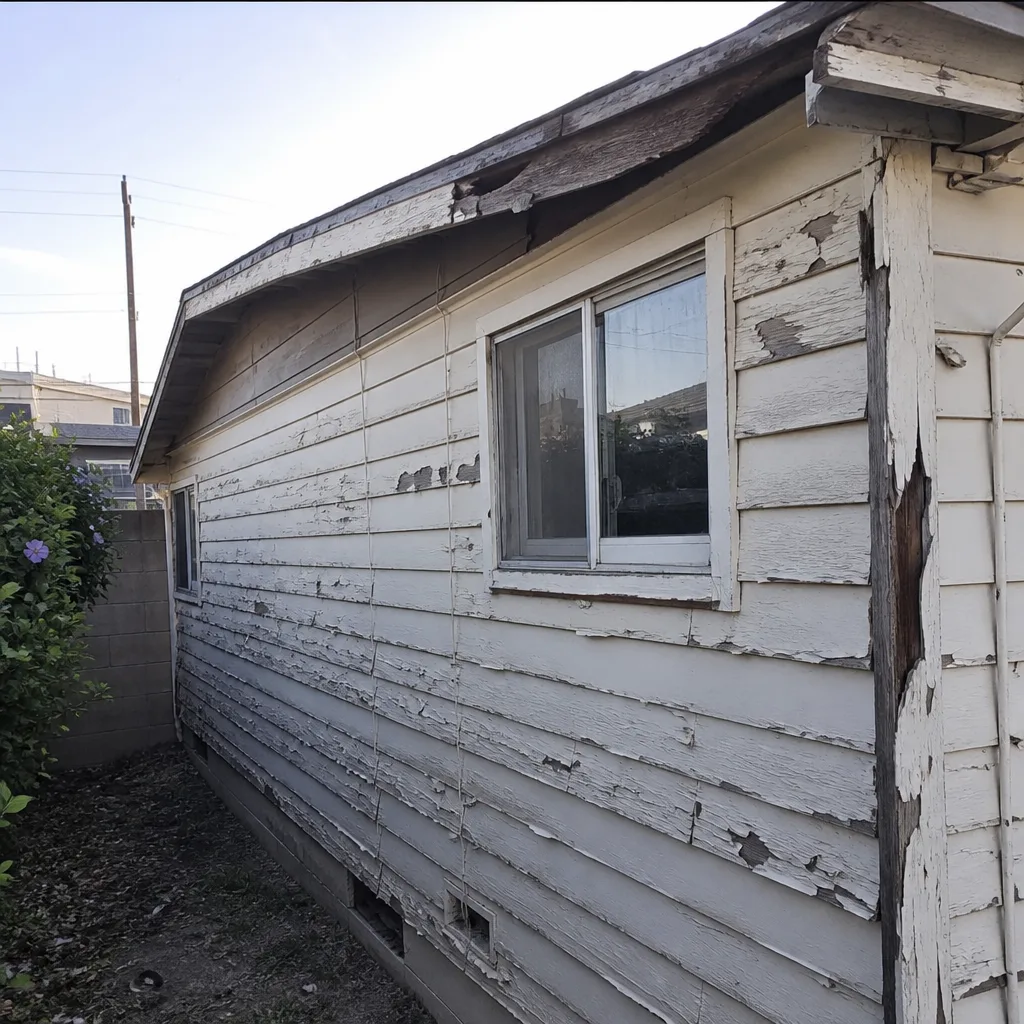 Before
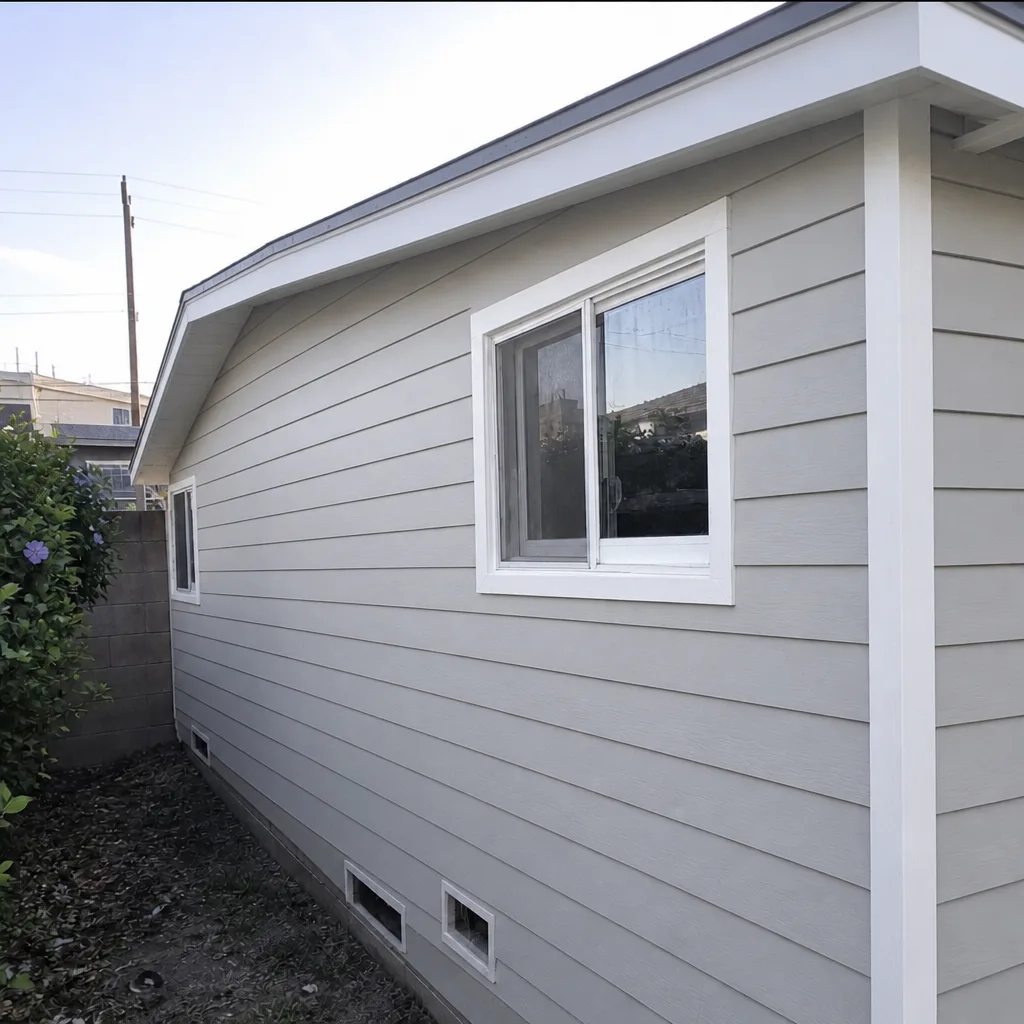 After
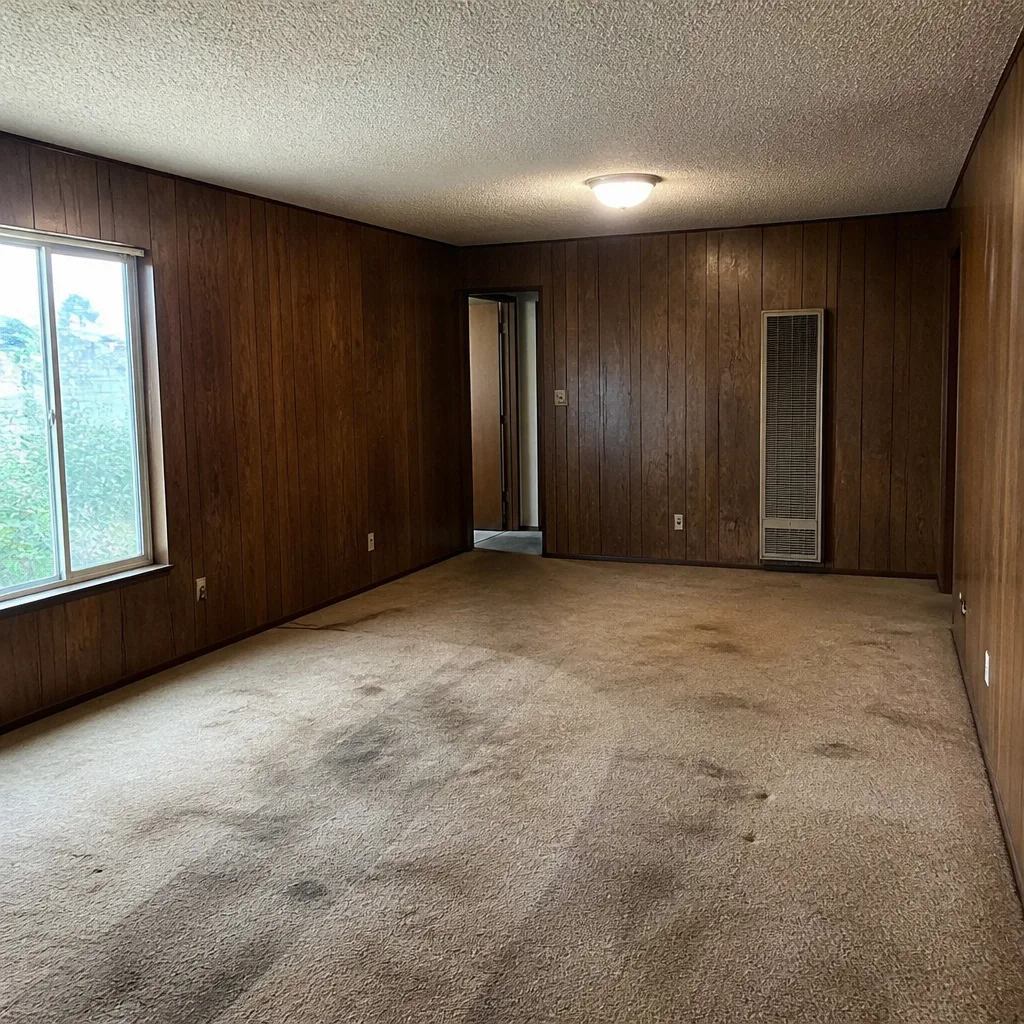 Before
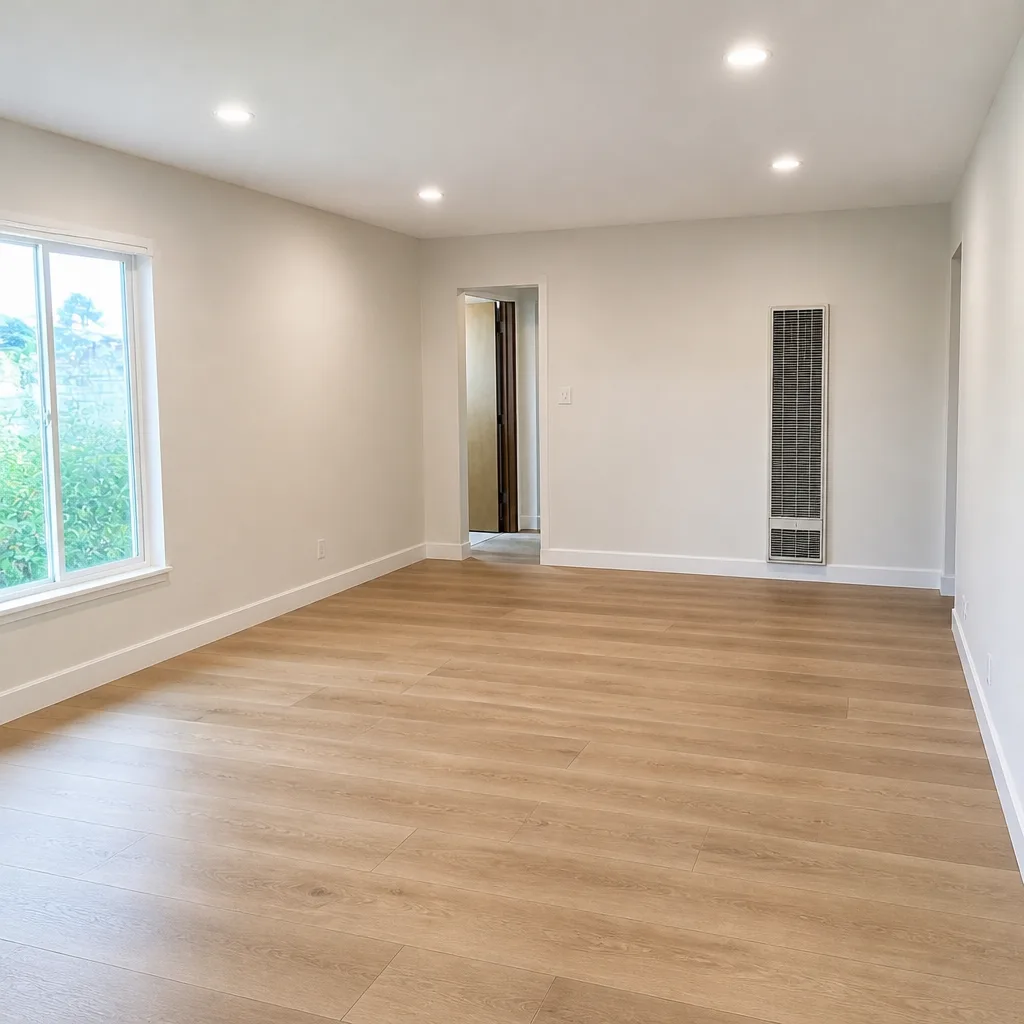 After
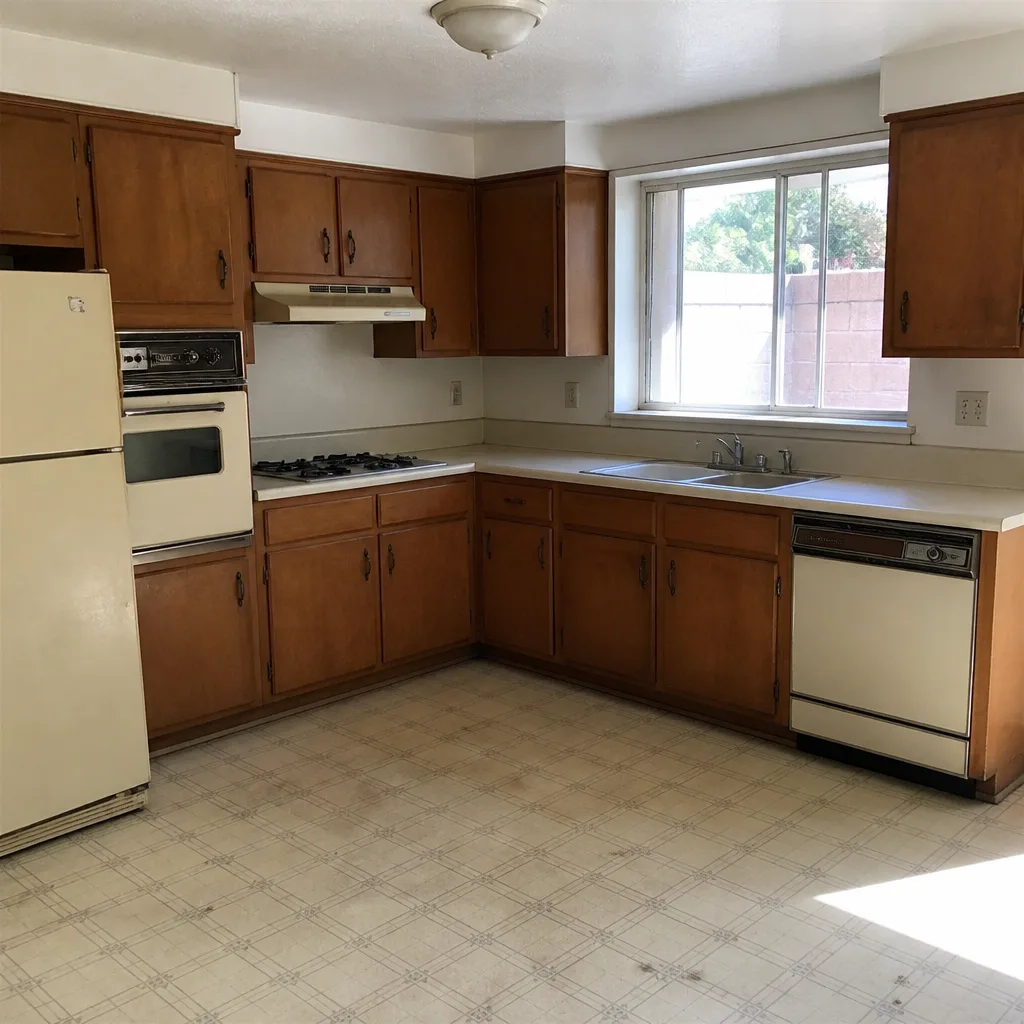 Before
 After