Last updated November 1, 2026
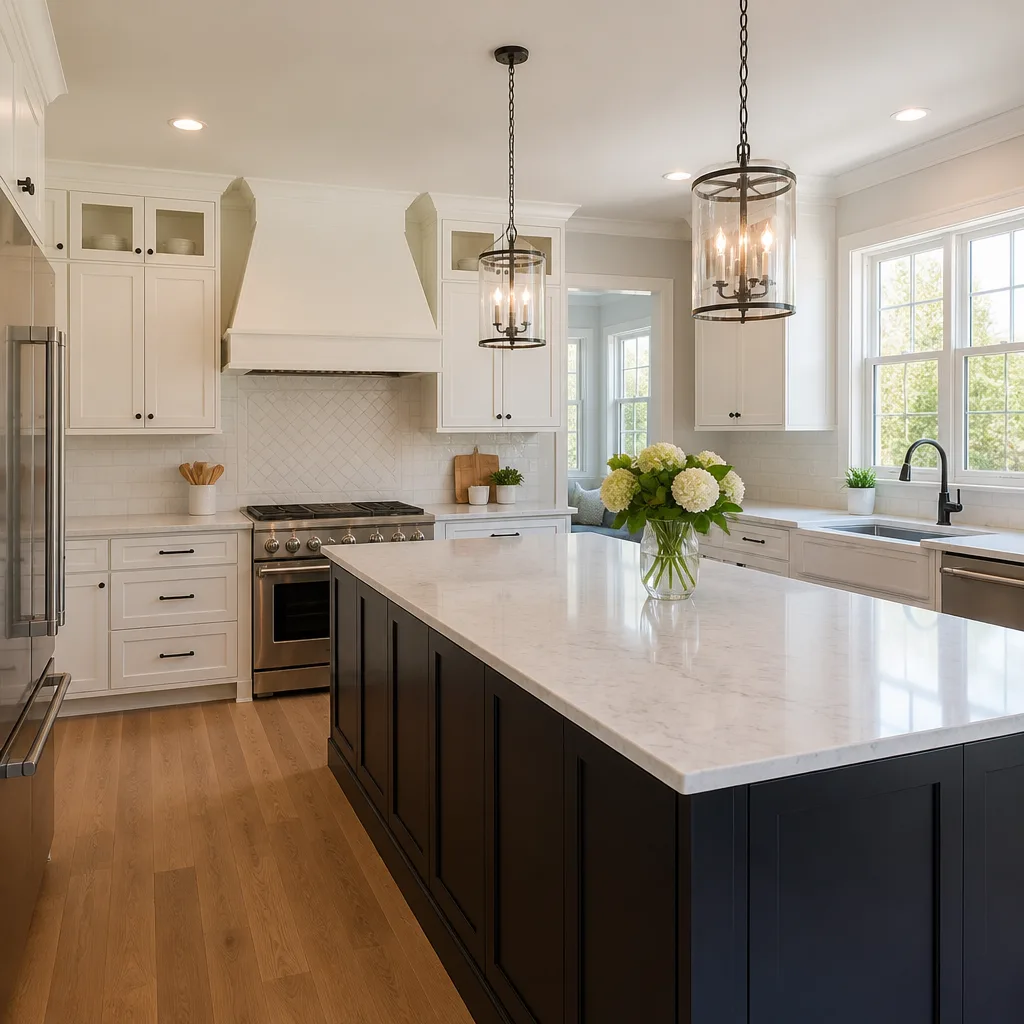 Kitchen remodeling
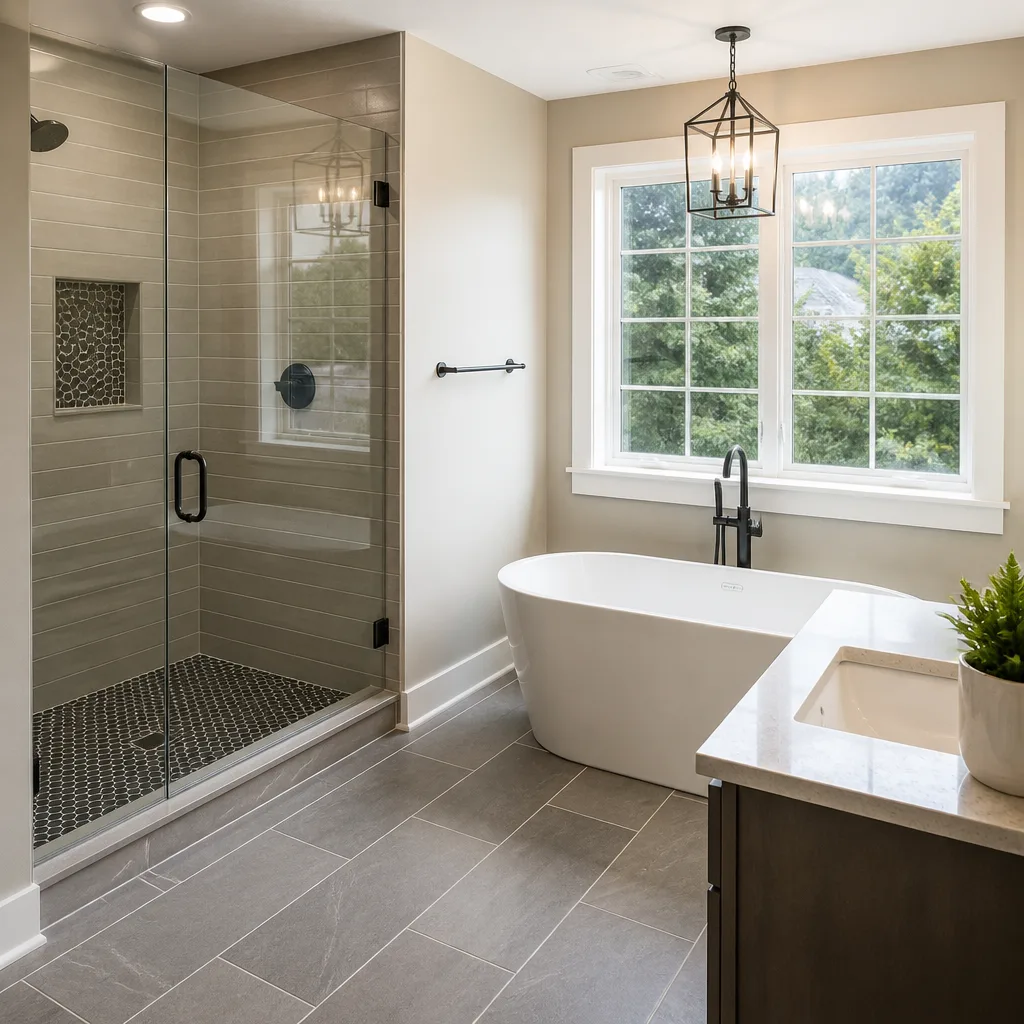 Bathroom remodeling
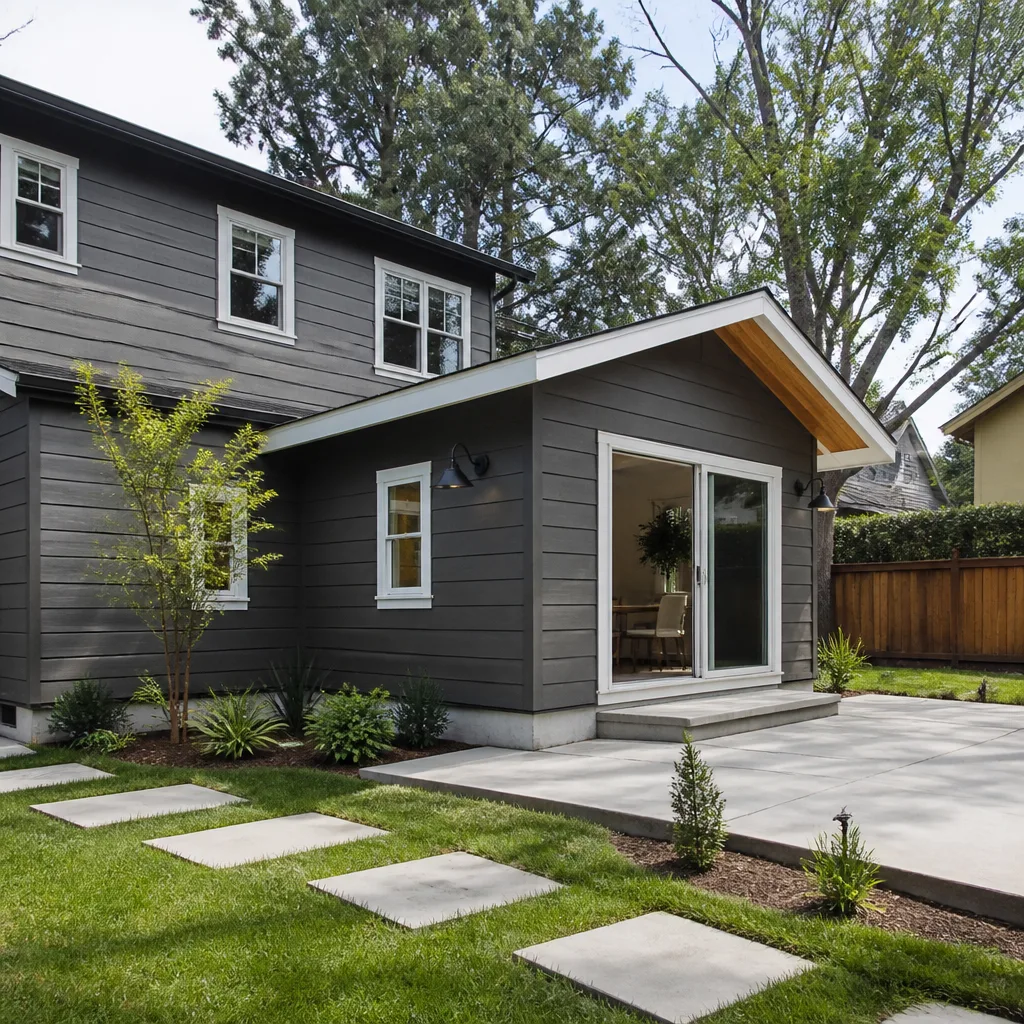 Home additions & ADU
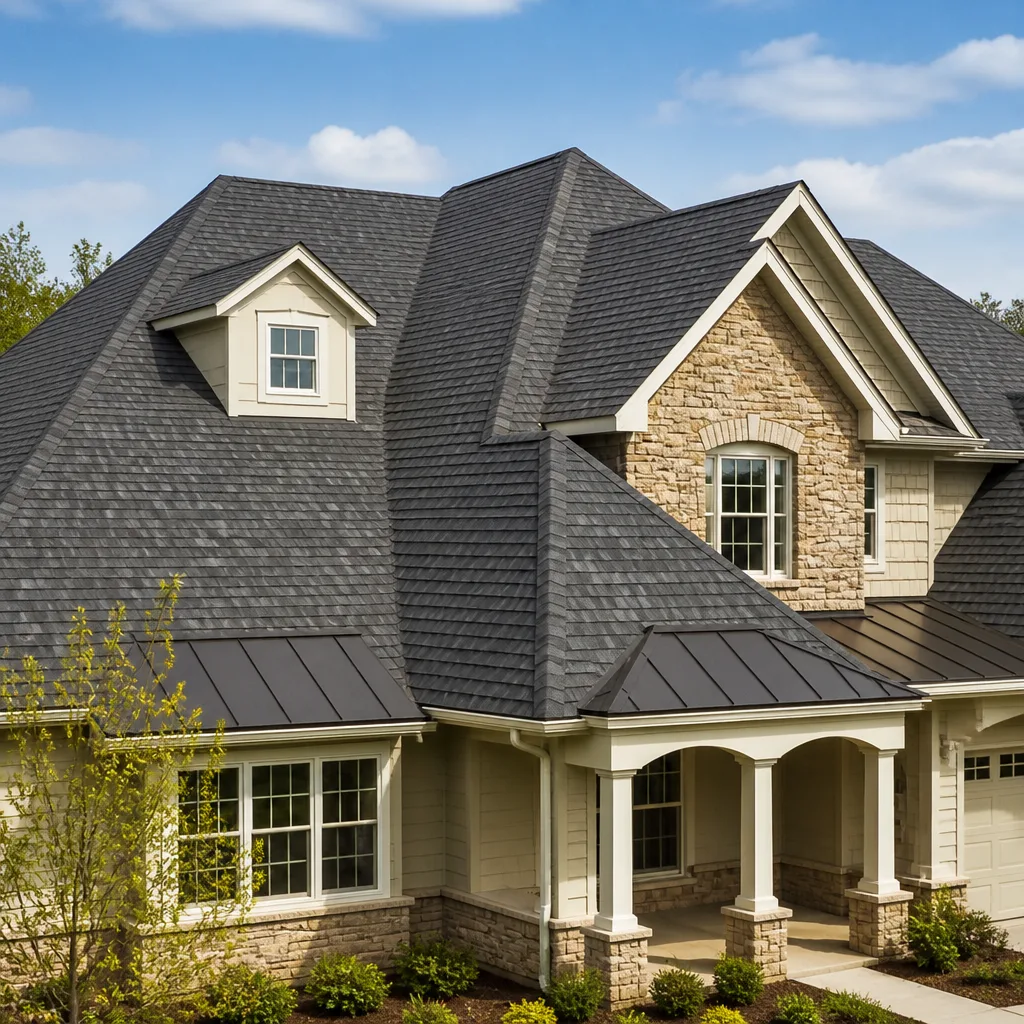 Roofing
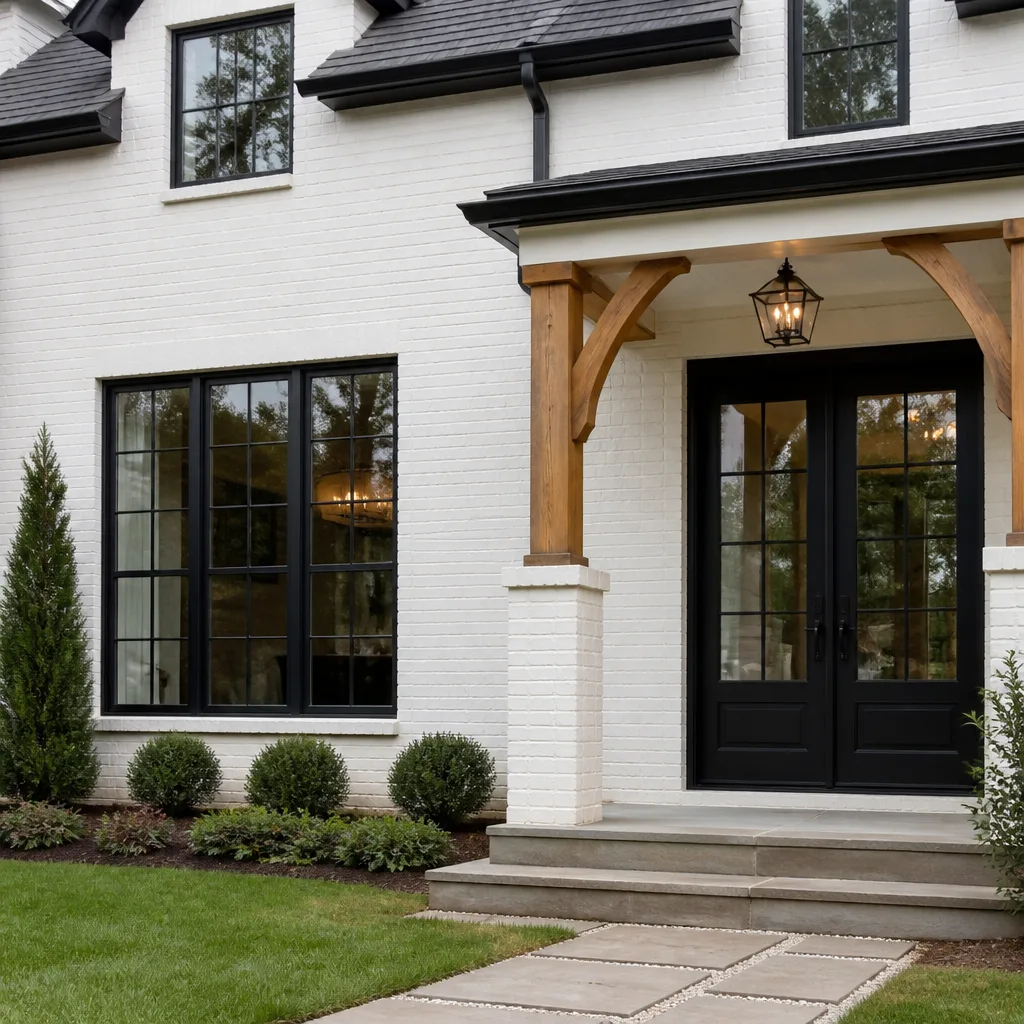 Windows & doors
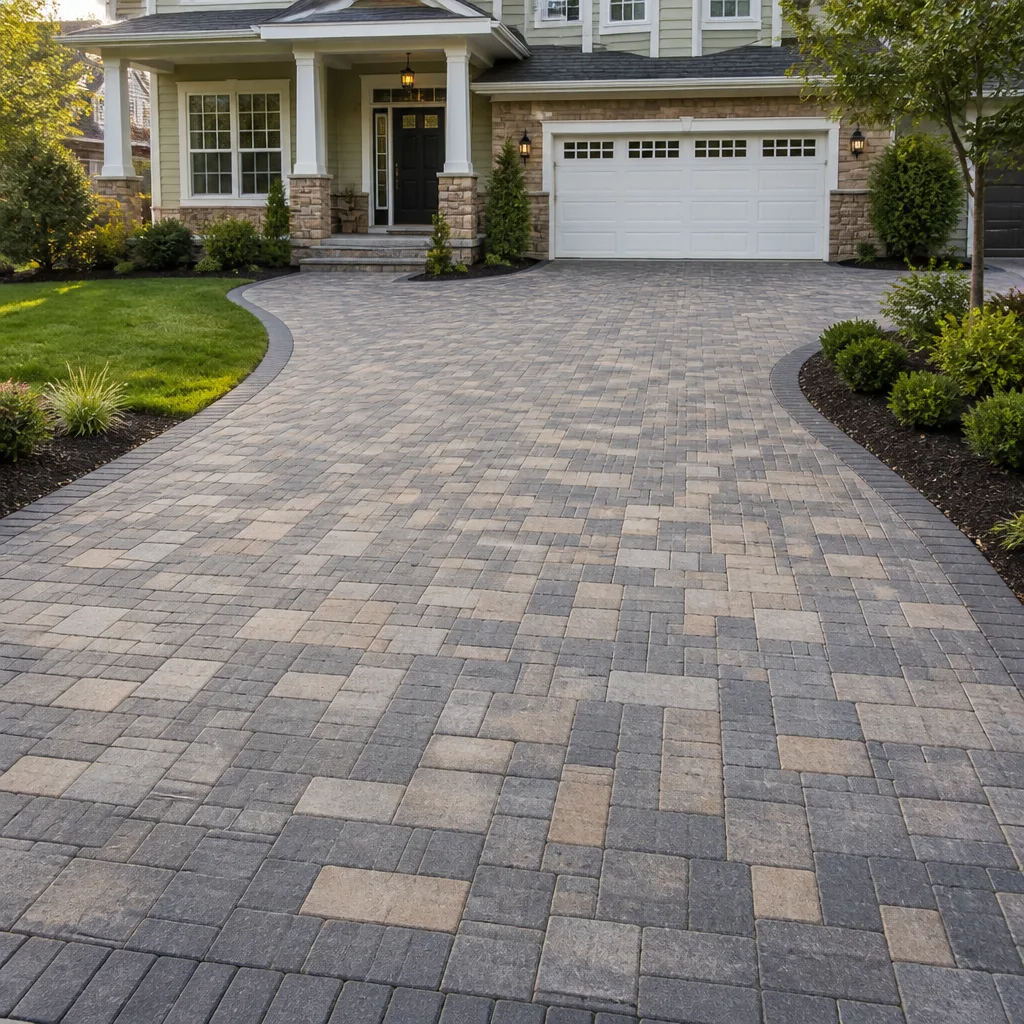 Driveway & pavers
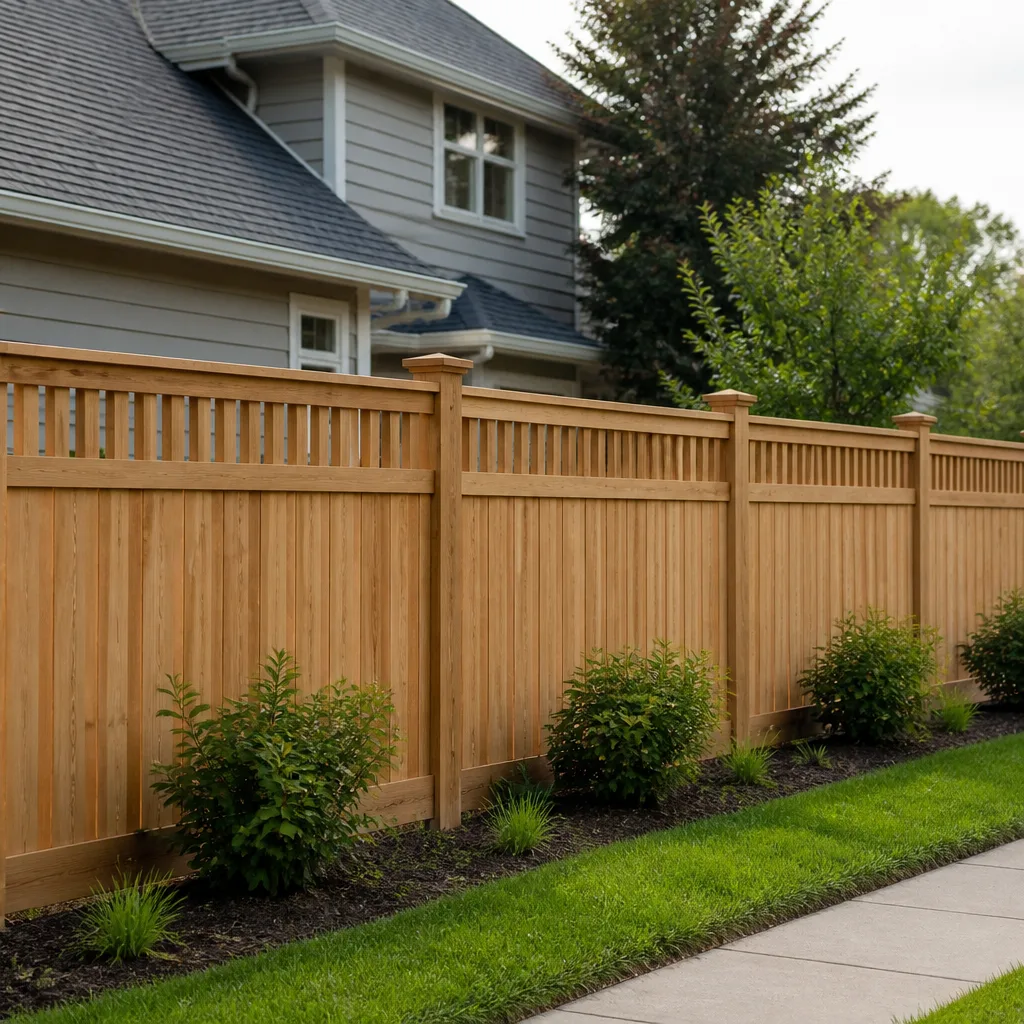 Fence
Free written scope consultation - allowances, timeline, and change-order rules on paper before a single trade is scheduled
Choosing the Right Construction Brand: A Buyer’s Guide for Buena Park
Here’s a counterintuitive fact about the construction industry: a contractor with 200 five-star reviews can still consistently underspecify materials, rotate subcontractors who have never seen each other’s work, and have zero formal process for catching errors before they disappear behind drywall. Reviews capture how a homeowner felt about the finished experience. They rarely reveal anything about the systems that produced it. In Buena Park, where homes range from 1950s ranchers to recent stucco builds, the operational quality behind the work determines whether your remodel lasts fifteen years or fifty. This guide explains how to evaluate that system before you sign, and you can find more guides & resources on our blog.
Quick Answer
Choosing the right construction brand in Buena Park comes down to evaluating a contractor’s operational system, not their marketing: the material brands they specify by default, how they document the build, whether subcontractors answer to a consistent standard, and what their portfolio reveals about their capability ceiling. A quality contractor can name specific product brands for every trade and explain why those brands fit your home and budget. Ask for that list before you ask for a price.
Styles & brands we work with
- Kitchen remodeling
- Bathroom remodeling
- Home additions & ADU
- Roofing
- Windows & doors
- Driveway & pavers
- Fence
Table of Contents
- What “Brand” Actually Means in Construction
- How to Evaluate a Contractor’s Material Specifications
- Coordinator vs. Quality Enforcer: Reading a Contractor’s Sub Process
- What Project Documentation Reveals About Operational Quality
- Interpreting a Portfolio Without Getting Fooled by Pretty Photos
- Why Single-Point Accountability Prevents Quality Failures
- What Buena Park Homeowners Should Know About Local Conditions
- Common Mistakes to Avoid
- When to Call a Professional
What “Brand” Actually Means in Construction
When you buy a car, the brand tells you something meaningful: Toyota means a certain approach to reliability, Porsche means a certain approach to engineering. In construction, the contractor’s name functions the same way, but the substance behind it is harder to see. A construction brand is not a logo or a tagline. It is the aggregate of what a contractor specifies, who they hire, what they document, and what they will not do. We’ve walked into enough Buena Park remodels to know that two contractors can bid the same kitchen at nearly the same price and deliver dramatically different builds, because one specifies plywood cabinet boxes and the other specifies particleboard, one flashes a window per manufacturer instructions and the other skips a step that no homeowner will ever see. That invisible difference is the brand.
Think of it this way: the brand is the contractor’s answer to the question, “What is your default?” Every contractor has defaults. Default cabinet lines, default waterproofing methods, default subs, default clean-up protocols. You learn more about a contractor from their defaults than from any sales pitch. A General Contractor in Buena Park who can name their default roofing brand, their default window manufacturer, and their default tile waterproofing system without hesitation is revealing a system that exists before you showed up. A contractor who says “whatever you want” with no framework is revealing that there is no system, and you will become the general contractor by default, coordinating quality decisions you are not trained to make.
How to Evaluate a Contractor’s Material Specifications
Every contractor buys materials. Very few have a point of view about them. The difference shows up in what they specify when you do not object. Ask a contractor this in a sales conversation: “What roofing brand do you install most often, and why?” If the answer is a shrug and “whatever the client picks,” that is not flexibility. That is an absence of specifications, which means every project is a first-time experiment. If the answer names a brand like GAF or CertainTeed and includes a reason, you are talking to someone whose system predates your project.
Here is The Complete General Contractor Guide for Buena Park Homeowners evaluation framework we recommend:
- Ask for the default list. A full-scope contractor should be able to name their preferred brand for roofing, windows, siding, cabinetry, countertops, plumbing fixtures, and tile waterproofing. Not because every project uses every brand, but because defaults reveal standards.
- Ask why that brand. “We use James Hardie siding because it holds paint better in Southern California sun and carries a stronger warranty than vinyl” is a real answer. “It’s what our supplier stocks” is not. The first answer shows specification thinking; the second shows convenience purchasing.
- Ask what they will not install. Every good contractor has a no-fly list: brands they have seen fail, lines they stopped carrying because warranty claims became a nightmare. A contractor with no exclusions is a contractor without standards.
- Compare the spec to the market. In Buena Park, mid-range remodels commonly default to stock lines from big-box suppliers. Premium remodels default to lines like KraftMaid or Wellborn cabinetry, Cambria or Silestone countertops, and Grohe or Kohler fixtures. If a contractor’s default sits below what a project at your budget should deliver, that is a signal, not a dealbreaker, but you should know where you stand.
At Key Step Construction home, our work across Buena Park builds from a curated list of over 50 vetted material brands spanning cabinetry, countertops, roofing, windows, doors, siding, fencing, hardscaping, plumbing fixtures, and prefab systems. That breadth serves a specific purpose: homeowners get real material choices guided by contractor expertise, not a single-vendor, take-it-or-leave-it offer.
Coordinator vs. Quality Enforcer: Reading a Contractor’s Sub Process
Most general contractors do not employ electricians, plumbers, or tilers on staff. They hire subcontractors. That is normal. What separates a quality operation from a coordination service is what happens after the sub is hired. Does the contractor simply pass along the schedule and hope, or do they hold the sub to a written standard that exists independently of that sub’s personal habits?
You can tell the difference in a sales conversation. Here are the questions:
- “How do you onboard a new subcontractor?” A quality answer includes a vetting process: license verification, insurance verification, reference checks, and a history of completed projects. A weak answer says “we’ve worked with them for years,” which is a relationship claim, not a standard claim. Relationships can persist through bad work.
- “What happens when a sub’s work fails your inspection?” A quality answer describes a defined correction process: the sub returns at their own cost, the mistake is documented, and the fix is re-inspected. A weak answer says “that doesn’t really happen.” It happens in every construction operation that runs long enough.
- “Do your subs see the same spec sheet on every project?” This is the institutional memory question. If a contractor gives every tiler the same waterproofing spec, every plumber the same fixture installation standard, and every framer the same structural checklist, then the sub is executing the contractor’s brand, not their own habits. That is the difference between a coordinator and a quality enforcer.
Rotating subcontractors are the silent killer of remodel quality. A contractor who brings in a different tile crew every project with no shared documentation is manufacturing inconsistency. The homeowner pays for that inconsistency in cracked grout lines, uneven reveals, and waterproofing failures that show up two years after final payment. In Buena Park, where many homes combine original 1960s framing with modern additions, the ability to apply a consistent standard across trades is worth more than any single product upgrade.
What Project Documentation Reveals About Operational Quality
A contractor’s paperwork tells you more than their portfolio. Before you sign, ask to see the documentation structure for a typical project. A quality operation will describe something like this:
- Pre-construction photos and condition report. Documented before demolition. Every crack in the driveway, every scratch in the existing floor, every pre-existing issue recorded. This protects you and signals that the contractor thinks in terms of evidence, not memory.
- Daily log or weekly update cadence. You should know what happened on your project every day or every week without calling to ask. Photos, notes, delays, decisions. A contractor without a documentation habit will not suddenly develop one on your project.
- Written change order procedure. The terms should be spelled out: how changes are requested, how they are priced, what gets approved before work proceeds, and how it affects the schedule and total. A verbal change order is not a system; it is a dispute waiting to happen.
- Final inspection checklist. The project’s closeout should include a defined punch list process, a formal walkthrough, and a written record of what was completed and what remains. If closeout is “we’ll work it out when we get there,” that is not a process.
Ask one more question: “What happens to this documentation after the project ends?” A contractor who archives the complete file, including spec sheets, warranty registrations, and closeout photos, is protecting your future warranty claims. A contractor whose documentation exists only during the build is treating your remodel as a one-off transaction instead of a building record.
Interpreting a Portfolio Without Getting Fooled by Pretty Photos
Construction portfolios are curated to look impressive. They are also often misleading. A before-and-after photo of a kitchen with new cabinets and quartz countertops looks dramatic, but that project is within reach of any competent trade. The capability ceiling question is different: what is the most complex project this contractor has actually completed, and what did the coordination of that project require?
Here is how to read a portfolio critically:
- Look for scope, not finishes. A complete gut remodel with structural changes, new mechanical systems, and envelope upgrades demonstrates a higher capability ceiling than a cosmetic refresh with paint, counters, and fixtures. Both are valid projects, but they are not the same skill.
- Look for exterior work. A contractor who shows roofing, siding, and window replacements alongside interior work is demonstrating full-envelope capability. Most remodelers stay inside. The exterior requires different skill sets, different code knowledge, and different manufacturer relationships.
- Look for consistency across trades. If the portfolio shows tile work that looks crisp, cabinet installation that looks tight, and exterior work that looks clean, that is a coordinated operation. If the interior work shines but the exterior work looks like an afterthought, that is a contractor who outsources beyond their competence.
- Ask about the hardest project in the portfolio. What made it hard? What went wrong, and how did the contractor fix it? The answer reveals more about operational quality than any number of flawless photos.
The full-scope contractor is a different animal from the specialty remodeler. At Key Step Construction, our capability spans from the roof down to the foundation: roofing systems from GAF, CertainTeed, and Owens Corning; windows and doors from PGT, Therma-Tru, and CGI; James Hardie siding; hardscaping from Belgard, Unilock, and Techo-Bloc; and interior systems from Schluter waterproofing to KraftMaid cabinetry and Cambria countertops. One point of accountability across every system means no gap between trades where quality can disappear.
Why Single-Point Accountability Prevents Quality Failures
The most common quality failures in residential construction happen at the seams between trades. The roofer flashes a penetration one way, the sider installs trim another way, and the stucco crew covers the seam in a way that looks fine until the first heavy rain. Nobody accepts responsibility for the seam because every trade did their own scope correctly. The failure belongs to the coordination gap, and coordination gaps are invisible until water shows up.
This is the core argument for single-point accountability. When you hire separate contractors for roofing, windows, and siding, you are the general contractor. You are responsible for sequencing, for the overlap between scopes, for catching conflicts before they get covered. Most homeowners are not equipped to do that, and they should not have to learn construction management while also living through a remodel.
A full-scope contractor who carries the project across multiple systems can do things a fragmented team cannot:
- Sequence work so trade overlaps are planned, not discovered. The window replacement gets scheduled with the siding replacement so the flashing integrates properly instead of being retrofitted.
- Hold every trade to the same documentation and inspection standard. The roofer and the sider answer to the same walkthrough checklist because the same person reviews both.
- Own the failure when a seam leaks. There is no finger-pointing between contractors because there is only one contractor. The warranty conversation is simple.
In Buena Park’s market, where homes span seven decades of construction methods, that accountability matters, as detailed in The Complete Guide to Construction in Buena Park. A 1950s ranch, a 1980s track home, and a 2010s stucco build all present different envelope challenges. One contractor who has managed all three is a different resource than three specialists who have each only seen their own scope.
What Buena Park Homeowners Should Know About Local Conditions
Buena Park sits in Orange County’s coastal plain, close enough to the ocean to catch marine layer mornings and far enough inland to accumulate real heat in the summer. That climate reality shapes construction decisions. Southern California sun degrades exterior materials faster than most homeowners expect: roofing underlayment dries out, stucco develops hairline cracks, and caulking around windows and doors loses flexibility within a decade. A quality contractor specifies materials for that exposure, not for a national average.
Homes built before the mid-1990s in Buena Park typically predate current seismic and energy codes. Remodeling those homes often requires structural upgrades, insulation retrofits, and window and door replacements that meet Title 24 energy standards. Contractors who work regularly in Buena Park have already navigated the city’s permitting process and know what the inspectors look for. That local knowledge is not a nice-to-have; it is the difference between a smooth remodel and a stop-work order.
The prevalence of ADU construction in Buena Park also matters. The city has seen significant interest in accessory dwelling units, driven by state legislation that streamlined ADU permitting. A Home Renovation in Buena Park that includes an ADU requires a contractor who understands the foundation, utility, and fire-separation requirements that govern detached units. Key Step Construction supports ADU projects through partnerships with prefab and modular systems including Abodu, Dvele, Boxabl, Mighty Buildings, and Plant Prefab, positioning us ahead of contractors who cannot support accessory dwelling unit construction at all.
Common Mistakes to Avoid
- Choosing based on price alone. The lowest bid in Buena Park is often lowest because it excludes something: a proper waterproofing system, a permit, a manufacturer-spec installation detail. You will pay for the exclusion later, usually with interest.
- Accepting “whatever you want” as material guidance. That phrase means you have become the materials specifier, a job you are not trained for. A contractor’s job includes offering a point of view on materials.
- Ignoring the documentation process. If there is no pre-construction photo protocol and no written change order procedure, there is no evidence trail. You are relying on goodwill, which evaporates the first time something goes wrong.
- Hiring separate contractors for overlapping scopes. Roofing, siding, and window replacement overlap at the flashing details. Splitting them across contractors means you own the seam failures. Splitting them means you are the general contractor, whether you meant to be or not.
- Reading reviews as quality audits. Reviews measure how people felt about the experience. They do not measure whether the waterproofing was installed to manufacturer spec or the subs were held to a written standard. Look for the system behind the reviews.
- Skipping the portfolio scrutiny. A portfolio of cosmetic kitchen refreshes does not prove capability for a full gut remodel with structural changes. Match the contractor’s demonstrated ceiling to your project’s actual demands.
- Assuming all contractors pull permits. Unpermitted work in Buena Park creates complications when you sell, refinance, or file an insurance claim. Confirm the permit plan in writing before work begins.
When to Call a Professional
Any project that touches structural systems, waterproofing, electrical, plumbing, or the building envelope is beyond safe DIY scope. That includes re-roofing, window and door replacement, siding installation, bathroom waterproofing, kitchen reconfiguration, and any ADU construction. The building science details that determine whether a remodel performs for decades are not visible in the finished product, and the mistakes are expensive to uncover after the fact. High-tension components like garage-door springs and gas-line work also require trained professionals; the risk of serious injury outweighs any savings.
If you are planning a remodel in Buena Park and want to know where your project sits against the evaluation framework in this guide, Key Step Construction offers free estimates. Call (855) 382-0824 to schedule a walkthrough, and we will show you our material spec list, our documentation process, and our portfolio in the context of your specific home.
See the difference
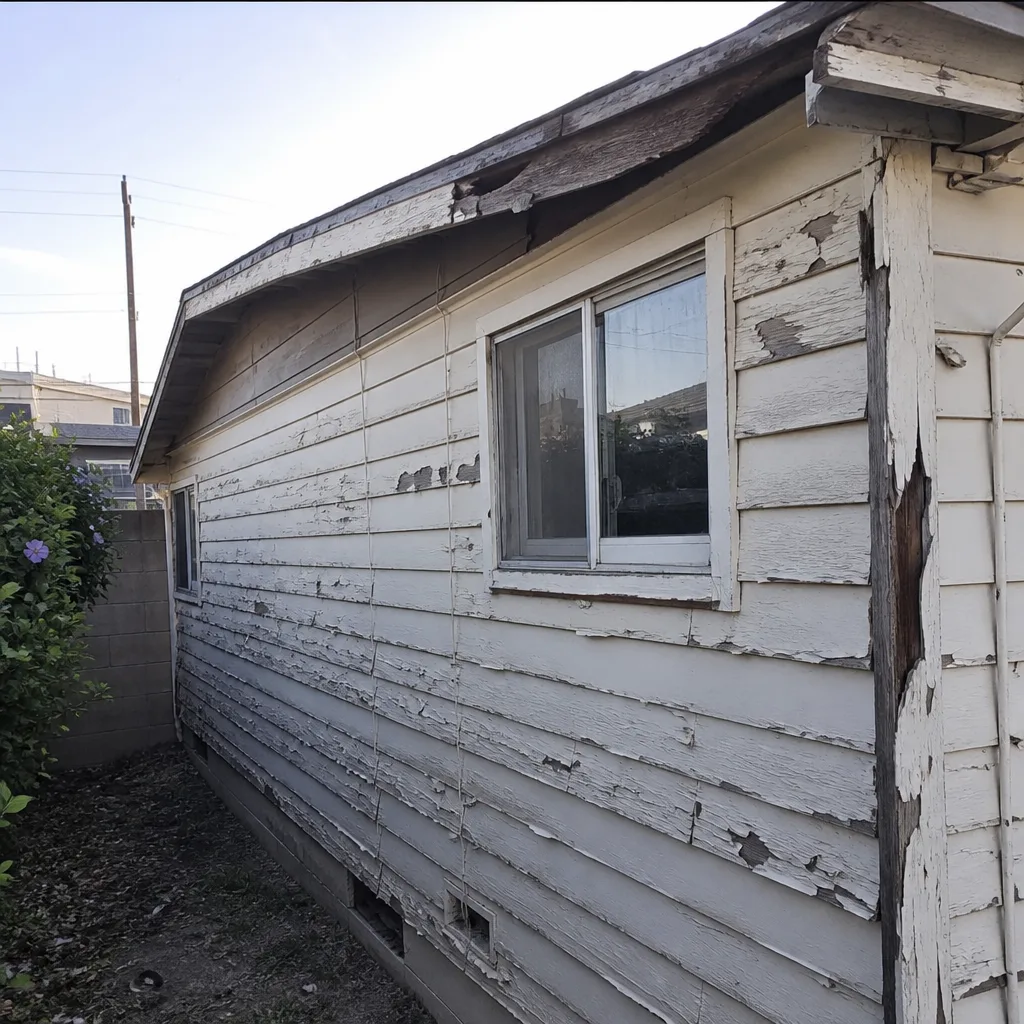 Before
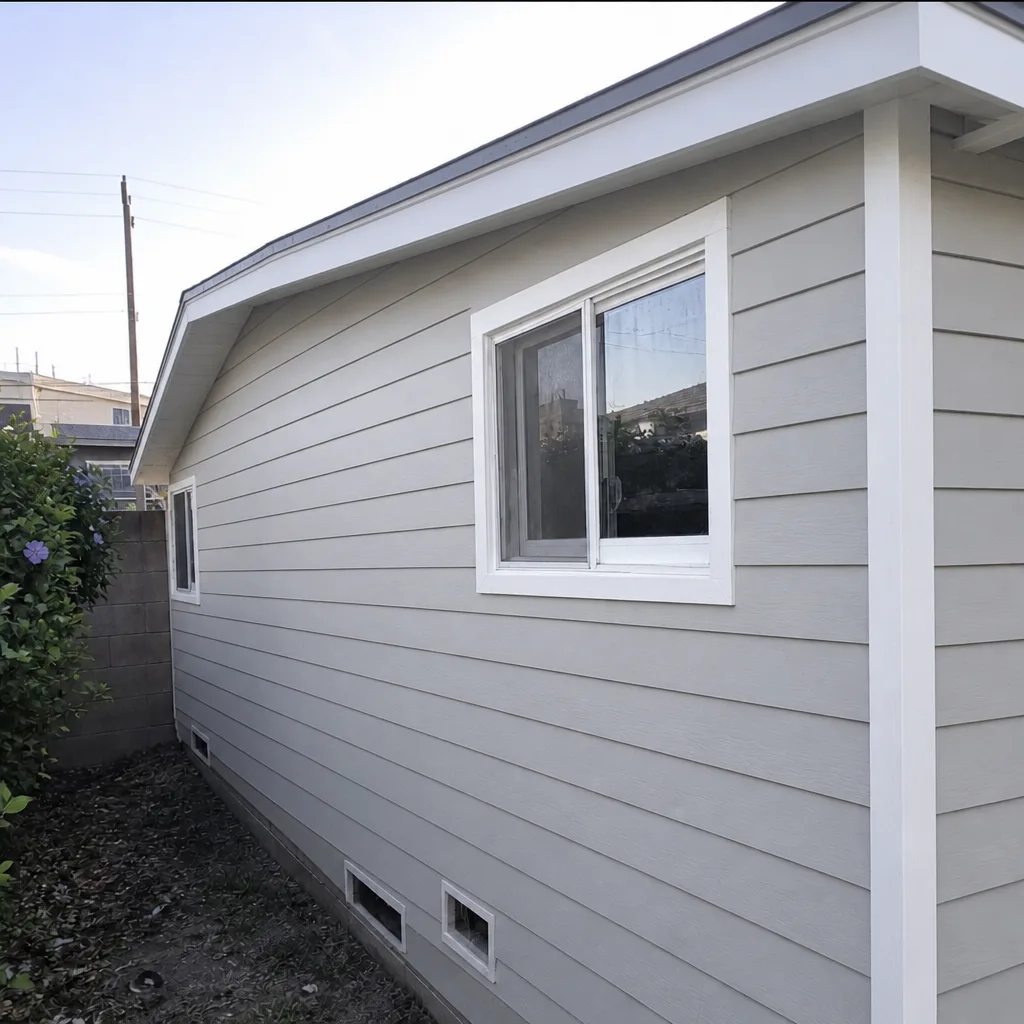 After
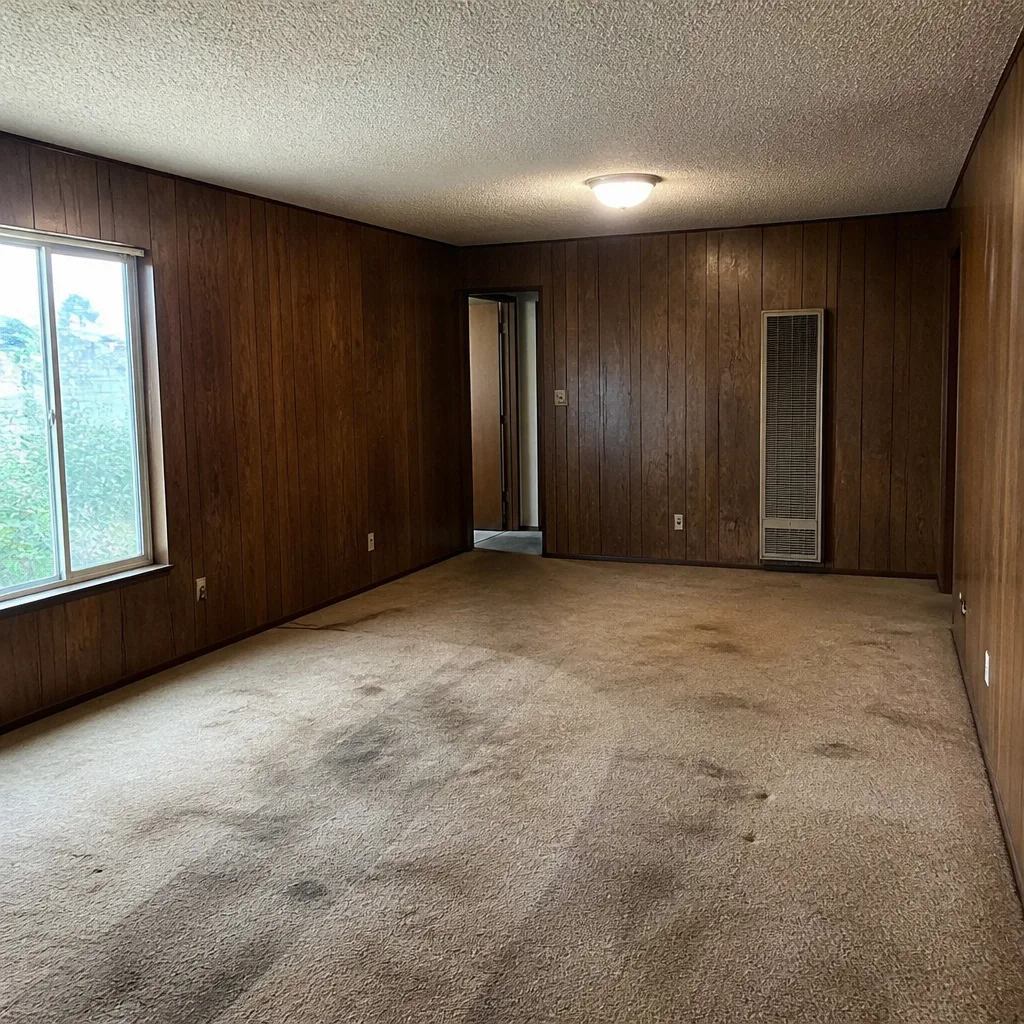 Before
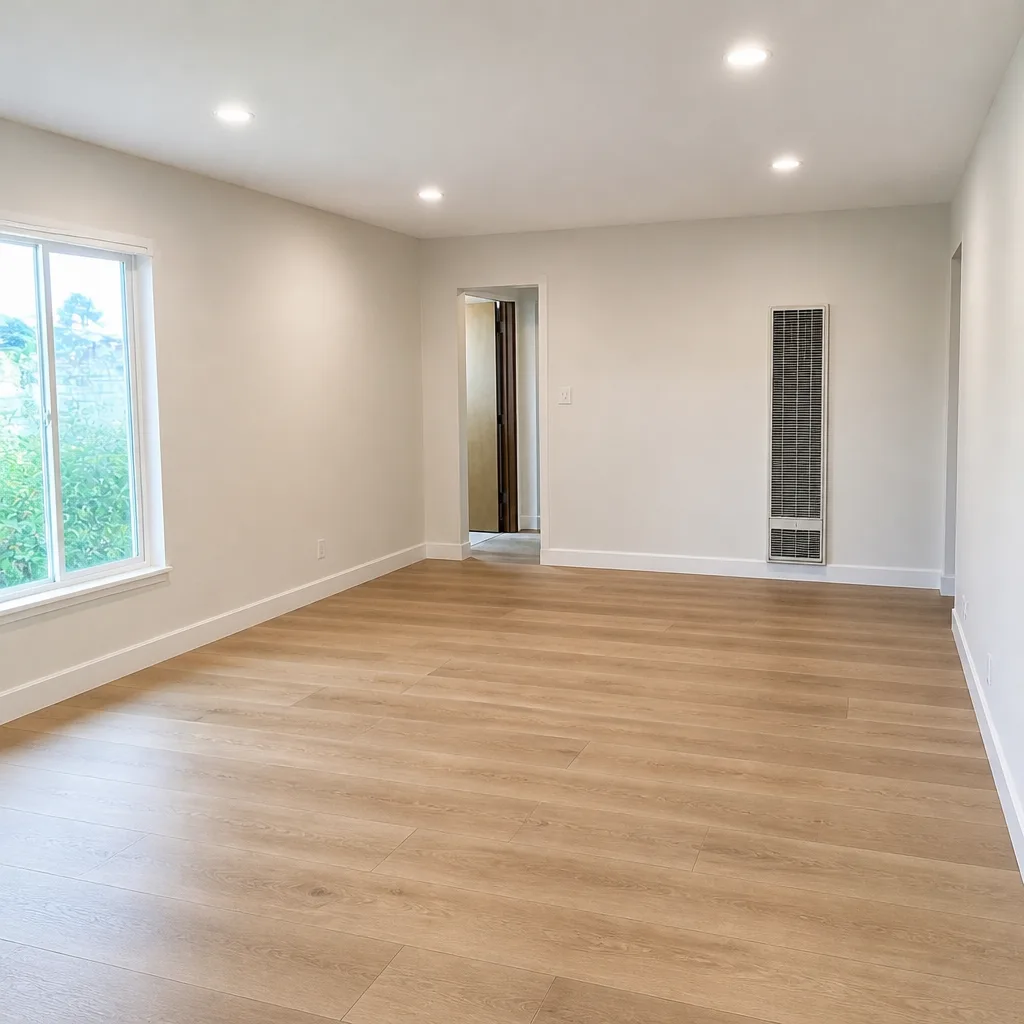 After
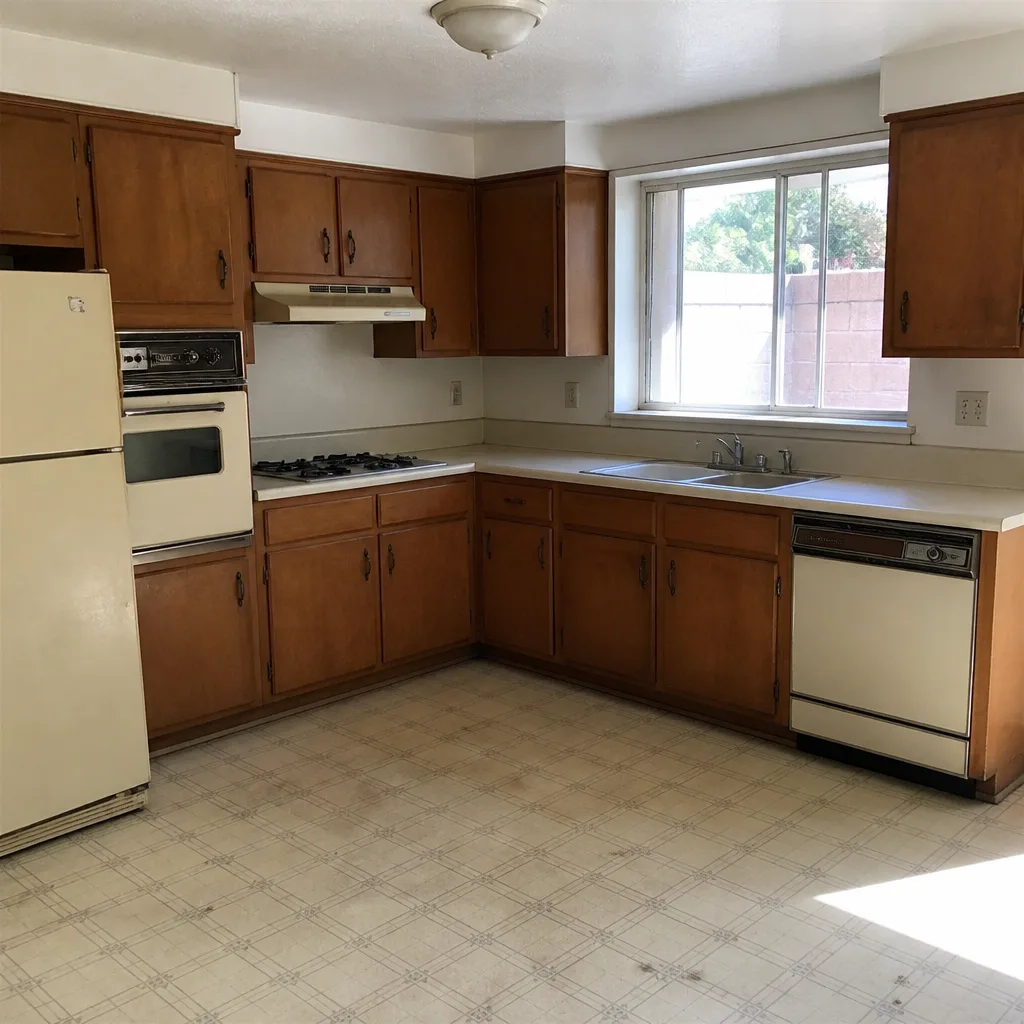 Before
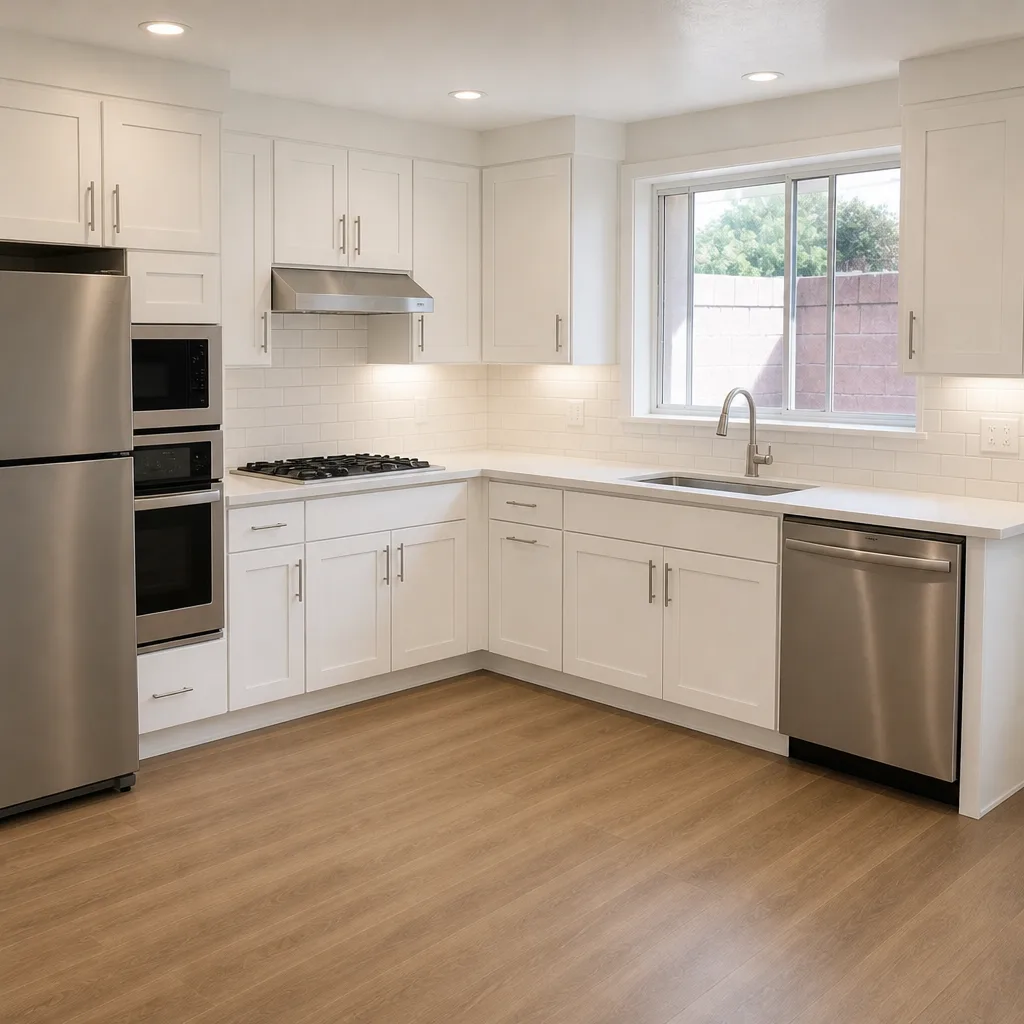 After
Frequently Asked Questions
Choose a construction company by evaluating their material specifications, subcontractor management, and documentation practices, not their marketing materials or review count. Ask for their default brand list across roofing, windows, cabinetry, and waterproofing, and ask what happens when a sub’s work fails inspection. A contractor who can answer both questions clearly has a real operational system. Call (855) 382-0824 for a free estimate consultation.
Ask about their default material brands and why they specify them, their subcontractor vetting and correction process, their pre-construction documentation protocol, their written change order procedure, and the hardest project in their portfolio and how they handled it. These five questions reveal more about operational quality than forty hours of online research. Call (855) 382-0824 to schedule a consultation and ask us directly.
“Full-scope” means one contractor carries responsibility across multiple systems of the home: interior remodeling, exterior replacement, hardscaping, and potentially ADU construction, all under one contract. The alternative is hiring separate contractors for each trade and becoming the project manager yourself by default. Full-scope accountability eliminates the coordination gaps where quality failures most often occur.
Home remodel costs in Buena Park vary widely by scope. A cosmetic kitchen refresh starts in the $30,000 – $60,000 range, while a full gut remodel with structural changes, new mechanical systems, and premium finishes typically runs $100,000 – $250,000 or more. Exterior replacement projects like roofing plus windows plus siding frequently land in the $40,000 – $90,000 range. These are planning ranges, not quotes; your project’s actual price depends on square footage, material choices, and condition of the existing structure. Call (855) 382-0824 for a line-item estimate specific to your Buena Park home.
Most structural, electrical, plumbing, and envelope work in Buena Park requires permits. That includes re-roofing, window replacement, water heater swaps, panel upgrades, and any wall removal or addition. Working without permits creates liability risk and complicates future sale or refinancing. A quality contractor handles the permit process as part of the project scope and never suggests skipping it.
A full home remodel in Buena Park typically takes three to six months and varies in cost depending on scope, permit review timelines, and material lead times - see our Construction Cost Breakdown: The Buena Park Homeowner’s Reference for 2026 for detailed pricing. Kitchen remodels average six to ten weeks, bathroom remodels four to eight weeks, and exterior packages like roofing plus siding plus windows often run four to eight weeks. Prefab ADU projects can compress the construction timeline significantly once permits are approved. Your contractor should provide a written schedule with milestones before work begins.
The Bottom Line
A construction brand is not a logo or a tagline. It is the system a contractor runs when you are not watching: the material brands they specify by default, the subcontractors they hold to a written standard, the documentation they create before and during the build, and the accountability they carry across trade seams. Buena Park homeowners who evaluate those systems will consistently choose better contractors than homeowners who evaluate reviews alone. Ask for the material spec list. Ask about the sub correction process. Ask about the documentation. If the answers are specific, confident, and supported by evidence, you have found a real construction brand. If they are vague, you have found a sales pitch.
Written by the team at Key Step Construction, serving Buena Park since 2017.