
Last updated November 1, 2026
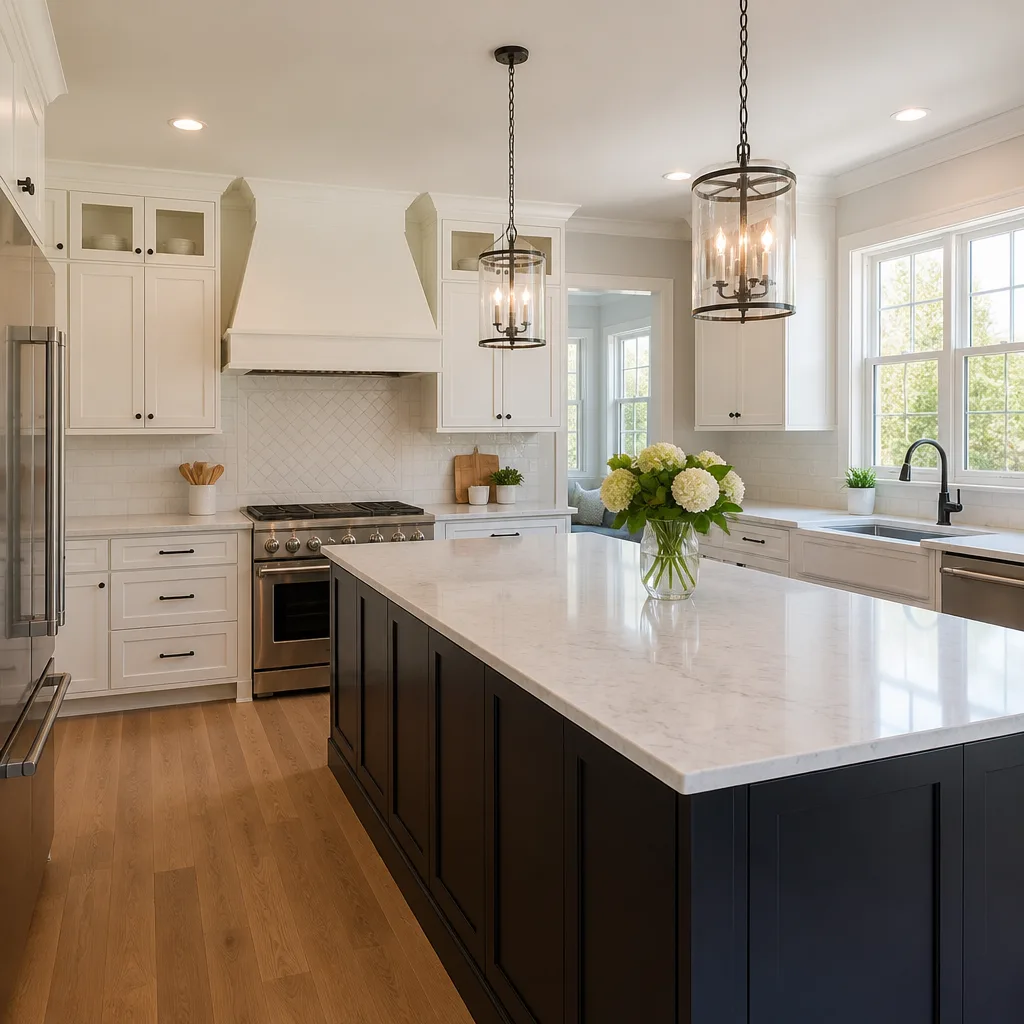 Kitchen remodeling
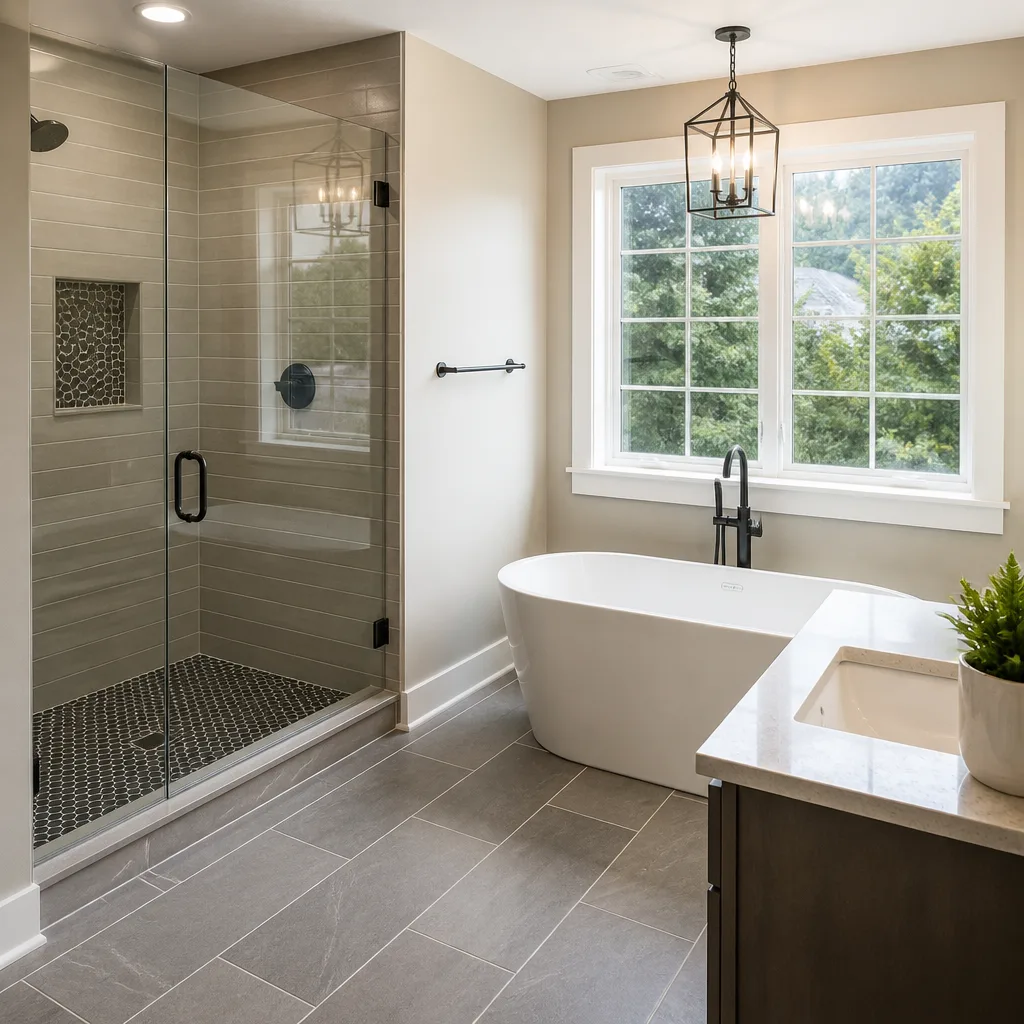 Bathroom remodeling
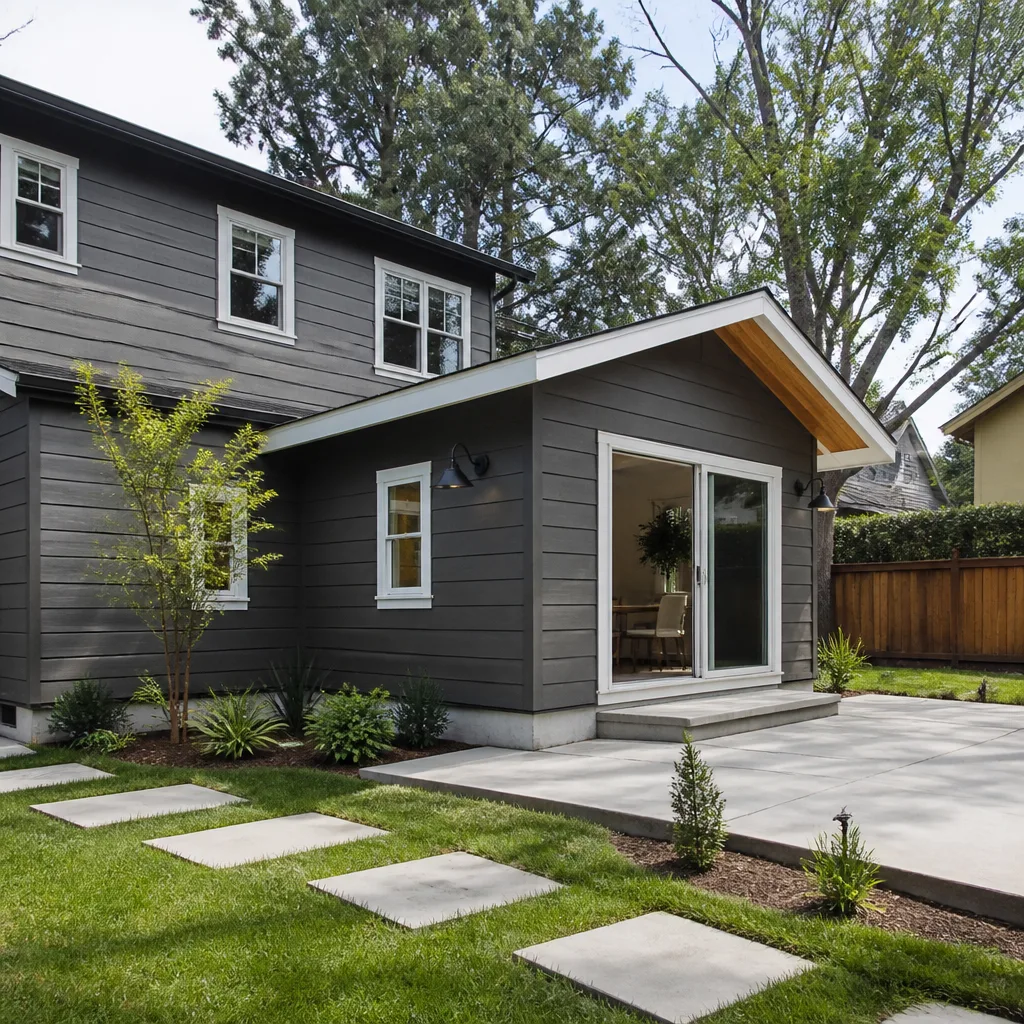 Home additions & ADU
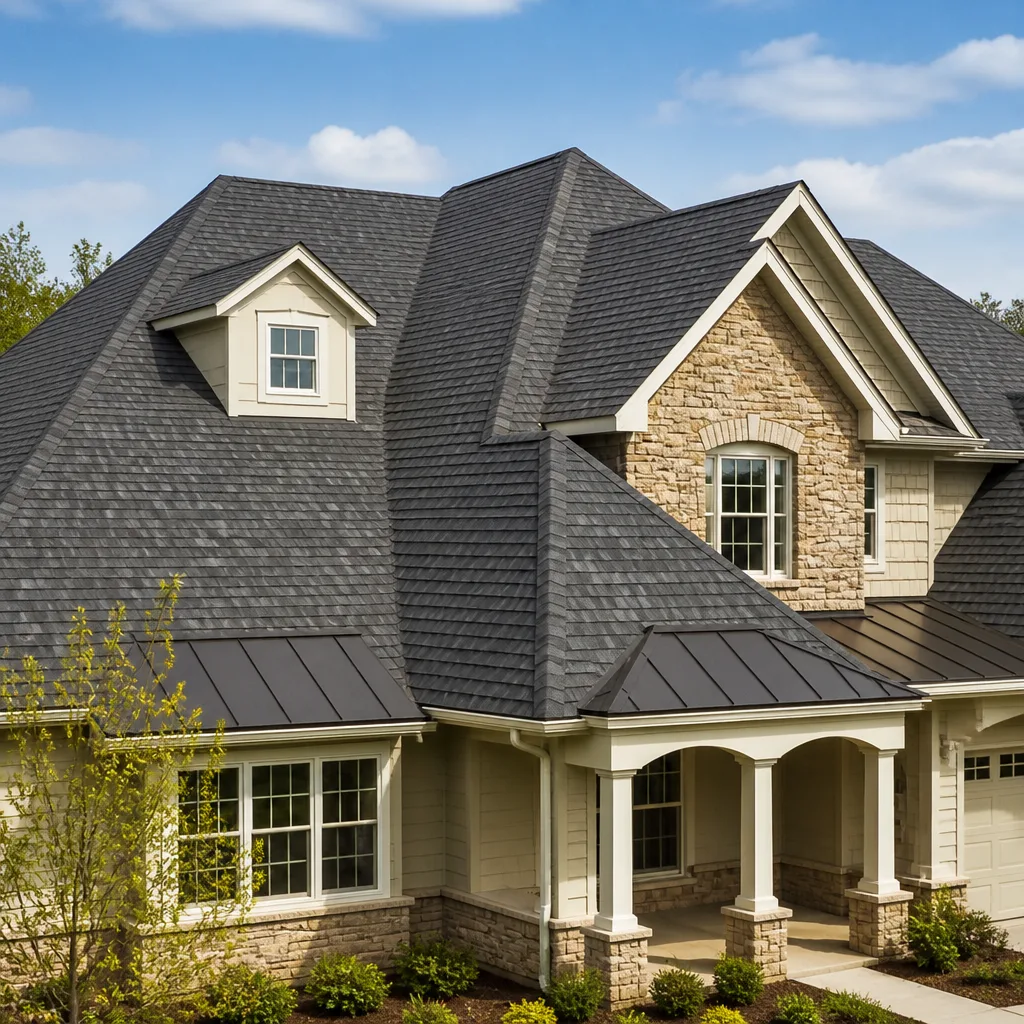 Roofing
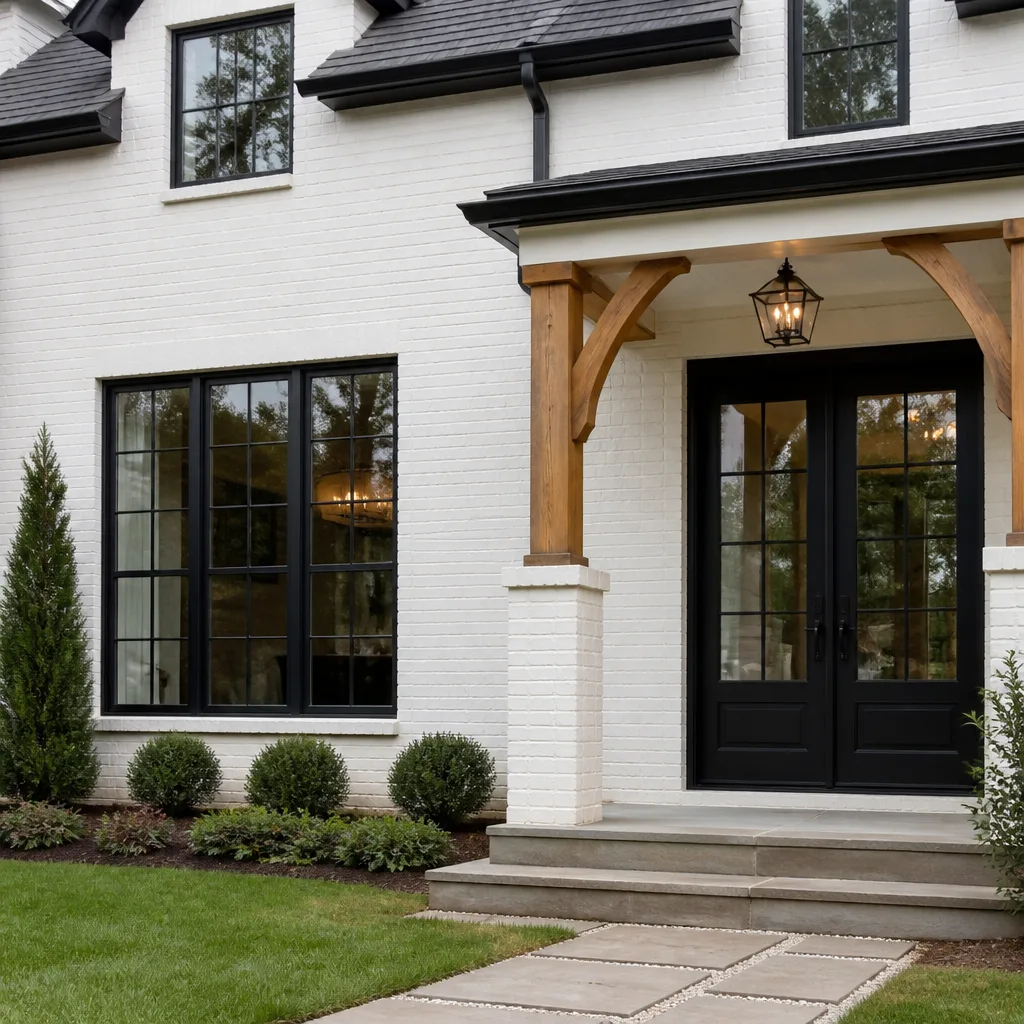 Windows & doors
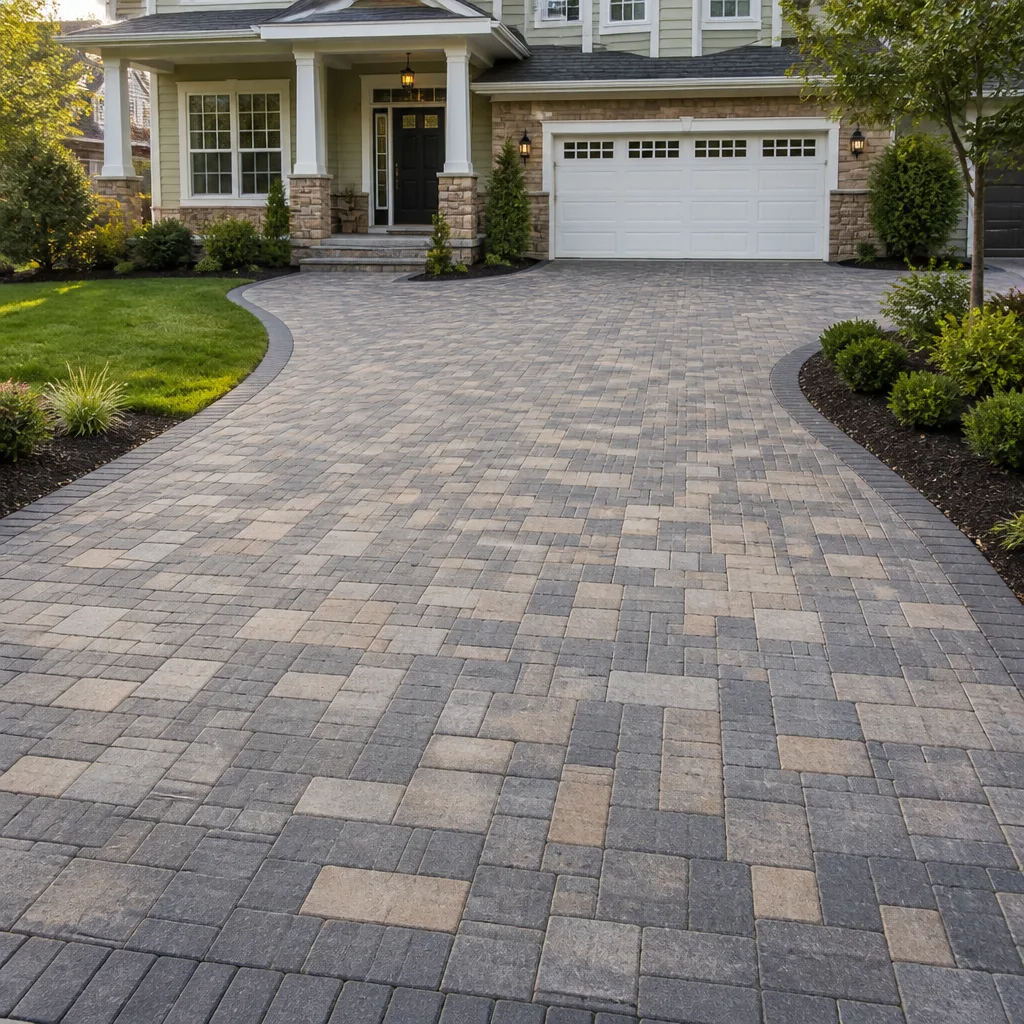 Driveway & pavers
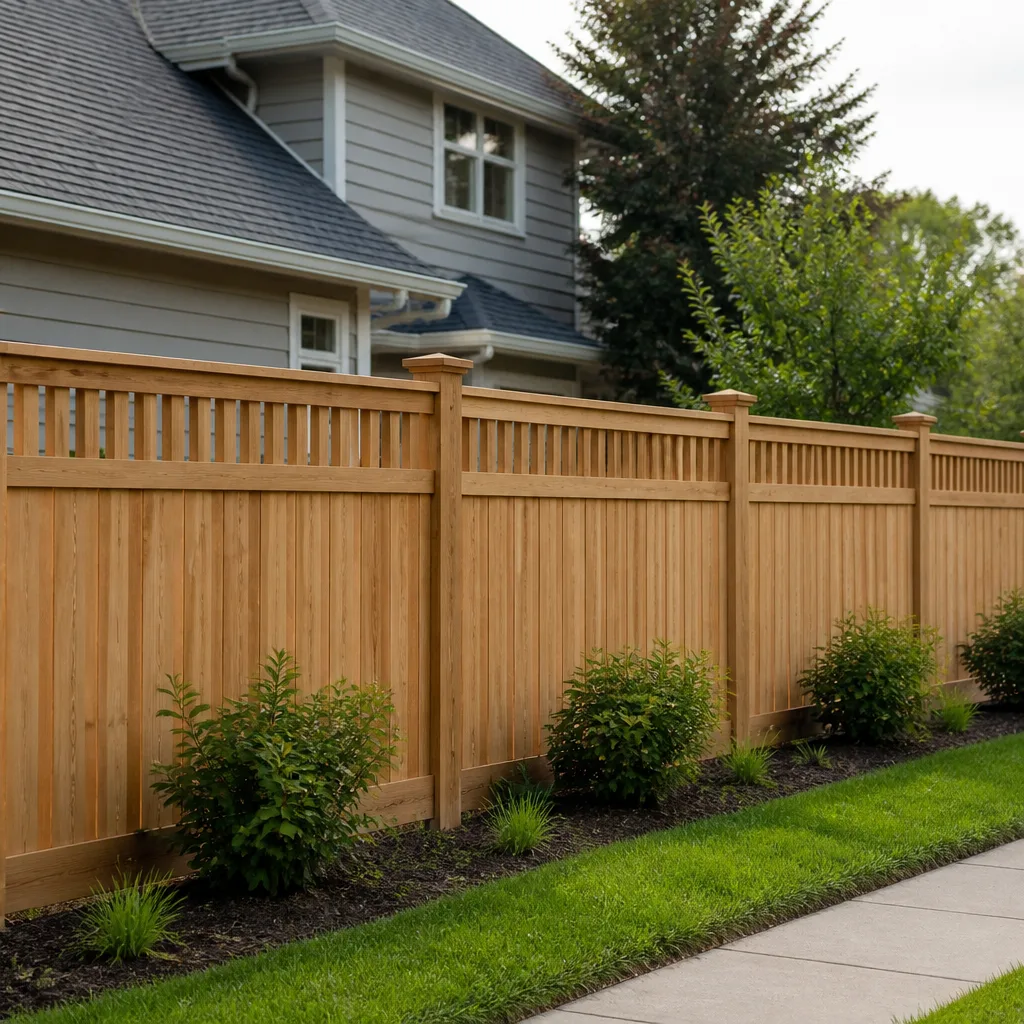 Fence
Free written scope consultation - allowances, timeline, and change-order rules on paper before a single trade is scheduled
The Complete Guide to Construction in Buena Park
Walk any street in central Buena Park and you’ll notice something most construction guides never mention: block after block of homes built within the same 25-year stretch. From the ranch homes near Peak Park to the two-story additions that came later, Buena Park’s housing stock is remarkably uniform in age. That uniformity means thousands of homeowners are now facing the same replacements at roughly the same time, from original electrical panels to failing sewer laterals. This guide maps Buena Park’s construction realities street by street so you can plan accurately, budget honestly, and avoid the costly surprises that come from generic advice.
Quick Answer
Construction in Buena Park, CA spans interior remodeling, exterior replacement, and structural upgrades, but the defining factor is timing: most local homes were built between 1950 and 1975 and are now hitting major infrastructure milestones simultaneously. The most common projects we see are panel upgrades, sewer lateral replacement, roof decking repair, window retrofits, and whole-home remodeling. The city’s permit process runs through the Buena Park Community Development Department, with most single-trade permits reviewed within two to three weeks and full remodels taking four to six weeks depending on plan check complexity. For a deeper look at what to expect, see our Construction Permits, Codes & Inspections in CA: What You Need to Know.
Styles & brands we work with
- Kitchen remodeling
- Bathroom remodeling
- Home additions & ADU
- Roofing
- Windows & doors
- Driveway & pavers
- Fence
Table of Contents
- The 1950-1975 Tract Home Era and What It Means for Your Project
- How Buena Park’s Permit and Inspection Process Actually Works
- Full-Scope GC vs. Specialty Trade: Why the Distinction Determines Your Budget
- Living Near the 5 and 91: Noise, Windows, and Insulation Decisions
- The Project Sequence Map: What Happens Before Drywall, What Waits Until After
- Material Selection in Buena Park: Why Brand Access Changes the Conversation
- Cost Realities for Buena Park Construction Projects in 2025
- Common Mistakes to Avoid
- When to Call a Professional
- Frequently Asked Questions
The 1950-1975 Tract Home Era and What It Means for Your Project
Buena Park’s residential footprint exploded during the post-war building boom, when developers like the LeBard family and other early Orange County builders laid out entire neighborhoods in months, not years. The homes north of the 91, around the Civic Center, and south toward the 5 freeway were framed with old-growth Douglas fir, wired with 60 to 100 amp panels, and plumbed with cast iron and galvanized steel. These materials were fine for 1960. They are not fine for 2025.
Here’s what that history means in practical terms. If your home sits in a neighborhood developed between 1950 and 1965, you should assume your original sewer lateral is either failing or close to it. Cast iron corrodes from the inside out, and Orange County’s clay-heavy soil shifts enough to crack joints over decades. We regularly see laterals in the Park and Dale corridor area with root intrusion at the property line, where city-maintained trees meet private pipe.
Electrical is the second most common infrastructure replacement. Original panels in Buena Park tract homes were sized for a refrigerator, a handful of lights, and maybe a window AC unit. Today’s household draws far more. If you’re planning a kitchen remodel with induction cooking, a level 2 EV charger, or a heat pump HVAC conversion, the panel almost certainly needs upgrading to 200 amps first. That’s not a suggestion. It’s the sequence the building code and your inspector will require.
The third reality is roof decking. Many Buena Park homes still have their original 1×6 spaced sheathing under the shingles. When reroofing, the city requires solid sheathing before new underlayment goes down in most cases. That adds material and labor cost that generic roofing quotes often hide until the old shingles come off. Plan for it in Buena Park. We do, because we’ve seen enough of these roofs to know what’s underneath before we quote.
This aging-stock pattern is the single most important context for any home renovation in Buena Park. Your home is not unique. It’s part of a cohort. The good news: the problems are predictable, which means the solutions and costs are knowable ahead of time.
How Buena Park’s Permit and Inspection Process Actually Works
Buena Park operates its own building division under the Community Development Department, which means you are not dealing with Orange County for most residential permits. The counter at 6650 Beach Boulevard handles plan submittal, permit issuance, and inspection scheduling for single-family work. This local control makes the process more direct than in cities that outsource to county, but it also means specific local requirements apply.
The typical review timeline in Buena Park breaks down like this:
- Simple permits (water heater replacement, panel upgrade, reroof): two to three weeks for over-the-counter review in most cases.
- Single-trade remodeling (bathroom remodel without moving walls, window replacements like-for-like): two to four weeks.
- Structural or addition permits (kitchen remodel with wall removal, room additions, ADUs): four to six weeks after plan check submittal, sometimes longer if traffic or drainage review is triggered.
- Inspections: scheduled in half-day windows. The building division aims for next-day scheduling, with some seasonal variation during peak construction months from March through October.
Buena Park has adopted the California Building Code with local amendments, which means seismic requirements for shear walls, anchor bolts on foundation retrofits, and Title 24 energy compliance all apply. For any general contractor in Buena Park, Title 24 documentation is a required part of permit submittal for projects that touch walls, insulation, or fenestration. If your contractor waves this off as optional, that’s a red flag.
One thing homeowners consistently underestimate: Buena Park’s plan check comments on window and door replacement projects often require matching egress requirements, even on like-for-like replacements in older homes. Bedroom windows in 1960s tract homes frequently do not meet current egress minimums. The city will flag this. Plan for it if you’re replacing windows in bedrooms, and talk with your contractor about how to address it before you order windows.
Full-Scope GC vs. Specialty Trade: Why the Distinction Determines Your Budget
Most homeowners in Buena Park start a project thinking about one trade: a roofer for the roof, a window company for windows, a kitchen cabinet supplier for the kitchen. That instinct is reasonable, and it’s also the fastest way to lose money on a whole-home project. Our Construction Cost Breakdown: The Buena Park Homeowner’s Reference for 2026 explains how to budget for coordinated work instead.
Here’s why. When you hire a roofing company, you get a roof. When you hire a window company, you get windows. When you hire a siding contractor, you get siding. Each of those trades scopes their work in isolation. Nobody is looking at the interface between systems. The fascia board where the roof meets the gutter? The roofer assumes the gutter company will handle it. The gutter company assumes the roofer will. You end up paying change orders or, worse, watching water intrusion at the transition points because nobody owned the seam.
A full-scope general contractor owns every seam. One contract covers the roof, the windows, the siding, the interior remodel, the hardscape, the ADU if you’re adding one. One point of accountability. From the roof down to the foundation, the work is coordinated because one company planned it as a single sequence.
This distinction matters most in Buena Park specifically because the homes are at the age where multiple systems fail together. If your home needs a roof, windows, and an electrical panel within the same two-year window, coordinating three separate contractors means three sets of permits, three inspections, three schedules, and three markups on materials. A full-scope home remodeling project bundles that coordination into one plan, one permit set where possible, and one schedule.
The math often surprises people. A single full-scope project typically costs less than three separately contracted projects because mobilization, demo, and site logistics are paid once, not three times. Material waste drops. Scheduling conflicts disappear. And when something goes wrong, you make one phone call, not three, and there is no finger-pointing between trades.
Plan it once, build it right. That’s not a slogan. That’s the difference between a coordinated renovation and a staggered series of expensive fixes.
Living Near the 5 and 91: Noise, Windows, and Insulation Decisions
Buena Park sits at the confluence of two of Southern California’s busiest freeway corridors. The 5 runs along the city’s eastern edge, and the 91 cuts through the northern section. Homes east of Knott Avenue and north of Orangethorpe Avenue live with measurable traffic noise, especially during peak commute hours and on weekends when the 5 and 91 both load up.
This is not a problem most generic guides address, but it changes your window and insulation math. For homes within a quarter mile of either freeway, we recommend upgrading from standard dual-pane windows to laminated glass packages when replacement is on the table. Laminated glass uses a PVB interlayer that cuts sound transmission meaningfully beyond what standard dual-pane argon windows achieve. Brands like PGT and CGI, both of which we work with, offer laminated configurations designed specifically for high-noise zones.
Insulation matters too. Most 1950s and 1960s Buena Park homes were built with R-11 batt insulation in walls and sometimes nothing at all beyond scrap in the attic. Title 24 will require you to meet current minimums when you open walls for remodel, but if you’re not opening walls, consider blown-in attic insulation and targeted wall injection. The ROI on attic insulation in Buena Park’s hot summers is particularly strong, since attic heat load is the biggest driver of cooling costs.
For homes directly fronting the freeway sound walls, adding a layer of 5/8-inch drywall over existing walls using resilient channel or clips makes a documented difference in interior noise levels. It’s an invasive process, but if you’re already remodeling the interior, the incremental cost is moderate and the daily quality-of-life improvement is substantial.
This is the kind of localized consideration that separates Buena Park-specific planning from one-size-fits-all advice. The freeway is not a hypothetical in Buena Park. It’s the daily ambient sound for thousands of homeowners. Build for it.
The Project Sequence Map: What Happens Before Drywall, What Waits Until After
Construction order of operations is the single most common source of homeowner confusion and, surprisingly, budget overruns. Here is the sequence we use on full-scope Buena Park projects, and why each step matters:
- Assessment and scope confirmation – walk the entire property, not just the room being remodeled. Check panel capacity, sewer lateral condition, roof decking, foundation cracks. This prevents surprises later. Takes one to two days.
- Permit submittal and plan review – submit plans to Buena Park’s Community Development Department. This runs parallel to material ordering for long-lead items like windows and custom cabinetry. Two to six weeks.
- Demolition – remove only what the final plan requires. Over-demo is waste. Under-demo creates hidden conditions. This is where an experienced GC earns their fee.
- Structural work – wall removals, headers, shear walls, foundation retrofits. Everything structural happens before anything cosmetic. Inspections happen at this stage and must pass before covering.
- Rough-in – electrical, plumbing, HVAC, and low-voltage. All the systems that live inside walls get installed and inspected here. This is the point of no return.
- Insulation and drywall – after rough-in passes inspection, insulation goes in, then drywall. This is the stage where many homeowners feel like progress is finally visible.
- Finish work – tile, flooring, cabinetry, countertops, trim, paint, fixtures. This is the longest cosmetic phase and where material quality is most visible.
- Exterior and site work – roofing, siding, windows, hardscape, fencing. Exterior work often runs in parallel with interior finish or immediately after, depending on weather and staging.
- Final inspections and closeout – all city inspections passed, punch list completed, walkthrough with the homeowner.
Why does this order affect your budget? Two reasons. First, changes made after drywall are exponentially more expensive than changes made before. Moving an outlet after rough-in inspection costs a change order. Moving the same outlet before drywall costs almost nothing. Second, sequencing mistakes create rework. If you install new flooring before the window replacement, expect dust, foot traffic, and potential damage. If you paint before the roof is repaired and water finds a gap, you paint twice.
This is why the full-scope GC model works well in Buena Park’s aging homes. The sequence is the product. When one company owns the entire sequence, nobody gets to blame someone else for a sequencing error.
Material Selection in Buena Park: Why Brand Access Changes the Conversation
Most contractors offer whatever their local supplier stocks. You get two or three options on cabinets, one or two on fixtures, maybe a choice between beige and gray on tile. That’s the take-it-or-leave-it model. It’s efficient for the contractor, but it produces hundreds of near-identical remodels across Buena Park.
The alternative is working with a contractor who has access to the full catalog, not the supplier’s current inventory. Key Step Construction works with a roster of 50-plus vetted material brands across every renovation category, which fundamentally changes the selection conversation. Instead of choosing from what’s on the shelf, you choose from what’s right for your home, your budget, and your timeline.
What that looks like in practice: KraftMaid and Wellborn for cabinetry, Cambria and Silestone and Caesarstone for engineered stone, Kohler and Grohe and Toto for plumbing fixtures. Need a reliable mid-range faucet that won’t fail in five years? Delta and Moen have proven track records at accessible price points. Want a farmhouse sink that actually holds up to daily use? Blanco’s silgranit material resists staining and chipping better than most enameled options. American Standard remains a solid choice for toilets and tubs at the value end without sacrificing performance.
Your material choices, our expertise. The point is not that one brand is always right. The point is that the right brand depends on your home’s age, your water chemistry, your use patterns, and your budget. A contractor who only offers one brand doesn’t have a recommendation. They have a restriction.
On the exterior side, the same logic applies. James Hardie fiber cement siding is well-suited to Buena Park’s heat and occasional Santa Ana wind, but it’s not the only option. GAF, CertainTeed, and Owens Corning all make excellent asphalt shingles, but they differ in warranty terms, wind ratings, and aesthetic lines. A roofer who installs one brand because that’s what they know is not giving you a choice. They’re giving you a habit.
For hardscaping, Belgard, Unilock, and Techo-Bloc all manufacture quality pavers, but their color palettes and sizing systems differ. The right choice depends on the existing architecture of your Buena Park home, the site’s drainage patterns, and how the surface will be used. Built to the brand’s spec means the manufacturer’s installation guidelines are followed precisely, which is what preserves the product warranty and the finished look.
Cost Realities for Buena Park Construction Projects in 2025
Buena Park construction costs track slightly above the national average for Southern California, driven by regional labor rates, material shipping costs into Orange County, and permit fees that have risen steadily over the last five years. While specific project costs vary by scope and finish level, here are realistic planning ranges for the work most commonly contracted in Buena Park:
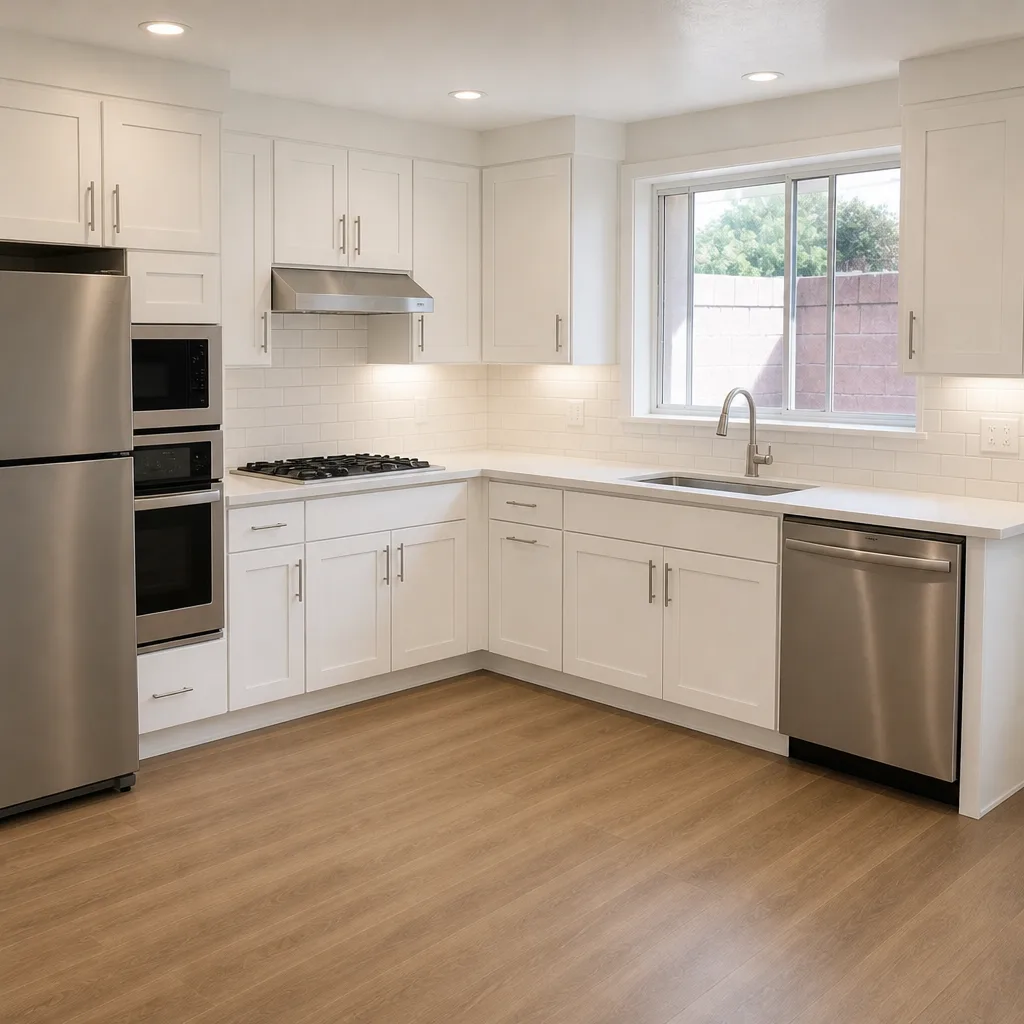
- Full kitchen remodel: $45,000 to $90,000 depending on cabinet line, countertop selection, and whether walls move or plumbing relocates.
- Primary bathroom rebuild: $25,000 to $50,000 for a full gut renovation with shower waterproofing, new fixtures, and tile work.
- Reroof: $12,000 to $25,000 depending on roof complexity, decking replacement needs, and shingle line. Homes with original spaced sheathing should expect the higher end.
- Window replacement (whole home): $15,000 to $40,000 depending on window count, frame material, and whether laminated glass is needed for freeway noise.
- Electrical panel upgrade to 200 amps: $3,500 to $6,000 including city inspection.
- Sewer lateral replacement: $8,000 to $20,000 depending on the length of the lateral and whether trenchless methods are viable.
- ADU addition: $150,000 to $350,000 depending on whether the project uses prefab systems or full site-built construction, site access, and utility work.
These ranges are planning numbers, not quotes. The useful question is not “How much does construction cost in Buena Park?” but “What does a specific project cost on a specific property with specific materials?” The only way to answer that is with a site visit and a written, line-item estimate.
One cost item Buena Park homeowners frequently overlook: seismic retrofit work triggered by the scope. Buena Park is in a seismically active region, and when you open walls or add square footage, the city will require shear wall and anchor bolt upgrades in many cases. Our Construction Emergency Preparedness Guide for Buena Park Homes covers how to build resilience into your project from the start. Budget 3-5 percent of your total project for seismic compliance on mid-size remodels. It’s not optional, and it’s better to know about it before the plan check comes back.
Will the price change once work starts? On a properly scoped full-contract project, no. Written line-item quotes with fixed pricing and no change orders are the standard we hold. Change orders happen when hidden conditions are discovered, but a thorough pre-construction assessment minimizes even those. If a contractor’s quote is vague about what’s included, assume the price will move. If the quote is itemized and specific, hold them to it.
Common Mistakes to Avoid
- Skipping the pre-construction inspection on older Buena Park homes. A 1962 house in central Buena Park has had six decades of DIY work layered onto the original build. Open walls without an inspection and you’re discovering surprises at $150 per hour instead of planning for them at $0.
- Replacing the roof without checking the decking. Spaced 1×6 sheathing is common in Buena Park tract homes, and new shingles over old spaced sheathing is a recipe for premature failure. Check before you sign.
- Ordering windows before addressing bedroom egress requirements. Buena Park plan check will flag non-compliant egress windows in older bedrooms. If you’ve already ordered the windows, you’re stuck with them.
- Upgrading the kitchen without upgrading the panel first. Induction cooktops, double ovens, and dedicated appliance circuits need capacity the original 60-amp panels cannot supply. Panel first, then kitchen.
- Hiring three separate contractors for a whole-home project and expecting them to coordinate. They won’t. Each will do their scope correctly and the seams between scopes will be yours to manage.
- Ignoring drainage on hardscape projects. Buena Park’s flat lot grading means water needs intentional direction. Pavers over unaddressed drainage issues create ponding and long-term foundation risk.
- Assuming Title 24 compliance is optional or procedural. It’s neither. Energy compliance documentation is part of your permit submittal, and failing to plan for it adds weeks to the timeline.
When to Call a Professional
Some work is genuinely dangerous and should never be DIY, regardless of how straightforward it looks on video. Gas line work, electrical panel replacement, any structural wall removal, and roof work on anything steeper than a gentle slope carry real risk of serious injury or code violation. A trained professional is not a luxury in these scopes; it’s the only responsible way to proceed. If you’re planning a project that touches multiple systems, the coordination complexity alone is reason enough to bring in a full-scope contractor before you buy materials or sign trade contracts. Key Step Construction offers free estimates in Buena Park, call (855) 382-0824 to schedule yours.
Frequently Asked Questions
A single-trade project like a reroof or window replacement typically takes one to two weeks of on-site work, while a full kitchen remodel runs six to ten weeks and a whole-home renovation can extend to four to six months. Permit review time in Buena Park adds two to six weeks before work begins, depending on scope complexity.
Yes, for any project that alters structure, electrical, plumbing, or mechanical systems, including wall removals, panel upgrades, and window replacements that change openings. Cosmetic work like paint, flooring, and cabinet refacing that does not move plumbing or electrical typically does not require a permit.
Hidden conditions in aging tract homes are the biggest budget risk, primarily failing sewer laterals, undersized electrical panels, and roof decking that must be replaced before new shingles go on. The best protection against surprise costs is a thorough pre-construction assessment before any contracts are signed.
It depends on the scope. Single-room remodels are usually livable if a temporary kitchen or bathroom is set up, but whole-home projects with open walls and no functioning utilities require temporary relocation for a defined period. Your contractor should be able to tell you the livability plan before work begins.
Buena Park operates its own building division and processes residential permits at the Community Development Department on Beach Boulevard, with timelines that run about average for Orange County’s self-permitting cities. Plan check for structural work typically takes four to six weeks, which is similar to nearby cities that process their own permits rather than outsourcing to the county.
Look for a state-licensed contractor with full-scope capability across interior and exterior trades, written line-item estimates with fixed pricing, and access to a broad range of material brands so product selection is driven by expertise rather than supplier limitations. A contractor’s track record on similar-era Buena Park homes is the single best predictor of how your project will go. For more guides & resources, explore our blog, or call (855) 382-0824 for a free estimate and a straight answer on what your project will require.
The Bottom Line
Construction in Buena Park is a different animal than construction in a newer development or an older urban neighborhood. The city’s concentrated building boom between 1950 and 1975 created a housing stock that is now aging into its major replacement cycle at roughly the same time across thousands of homes. The homeowners who plan well understand the sequence: infrastructure before cosmetics, coordination before contracts, and material selection driven by genuine options, not supplier convenience. One contractor, every system. You can plan for the predictable problems of a 60-year-old Buena Park home, or you can discover them behind drywall. The difference is the cost of the lesson.
Written by the team at Key Step Construction, serving Buena Park since 2017.
See the difference
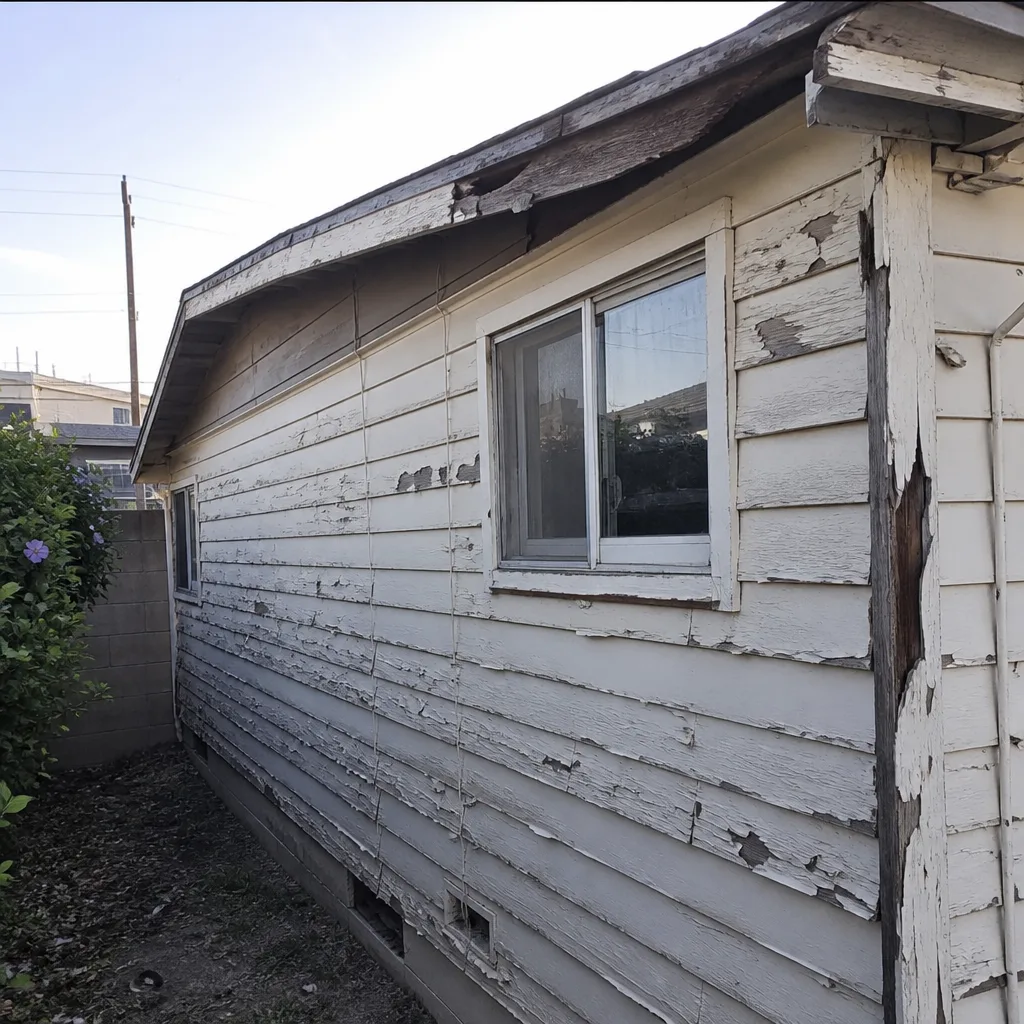 Before
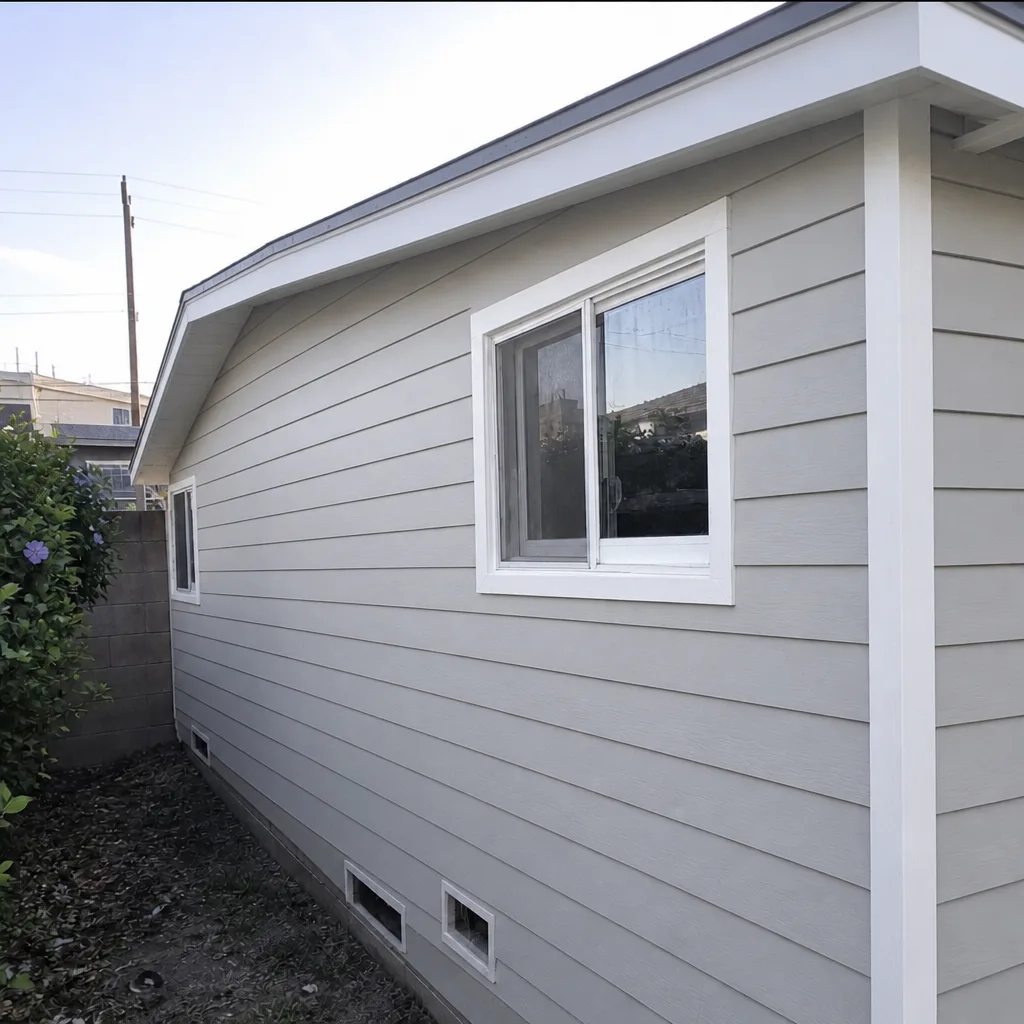 After
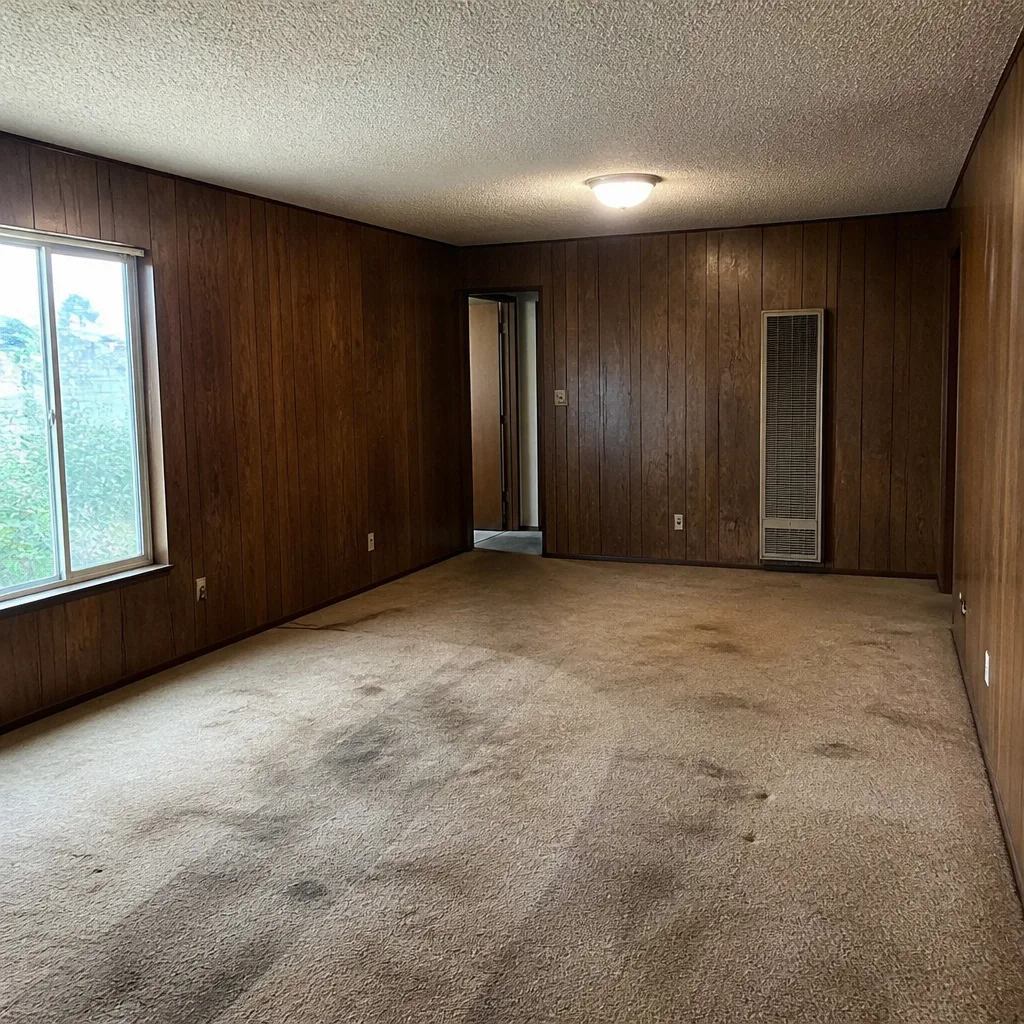 Before
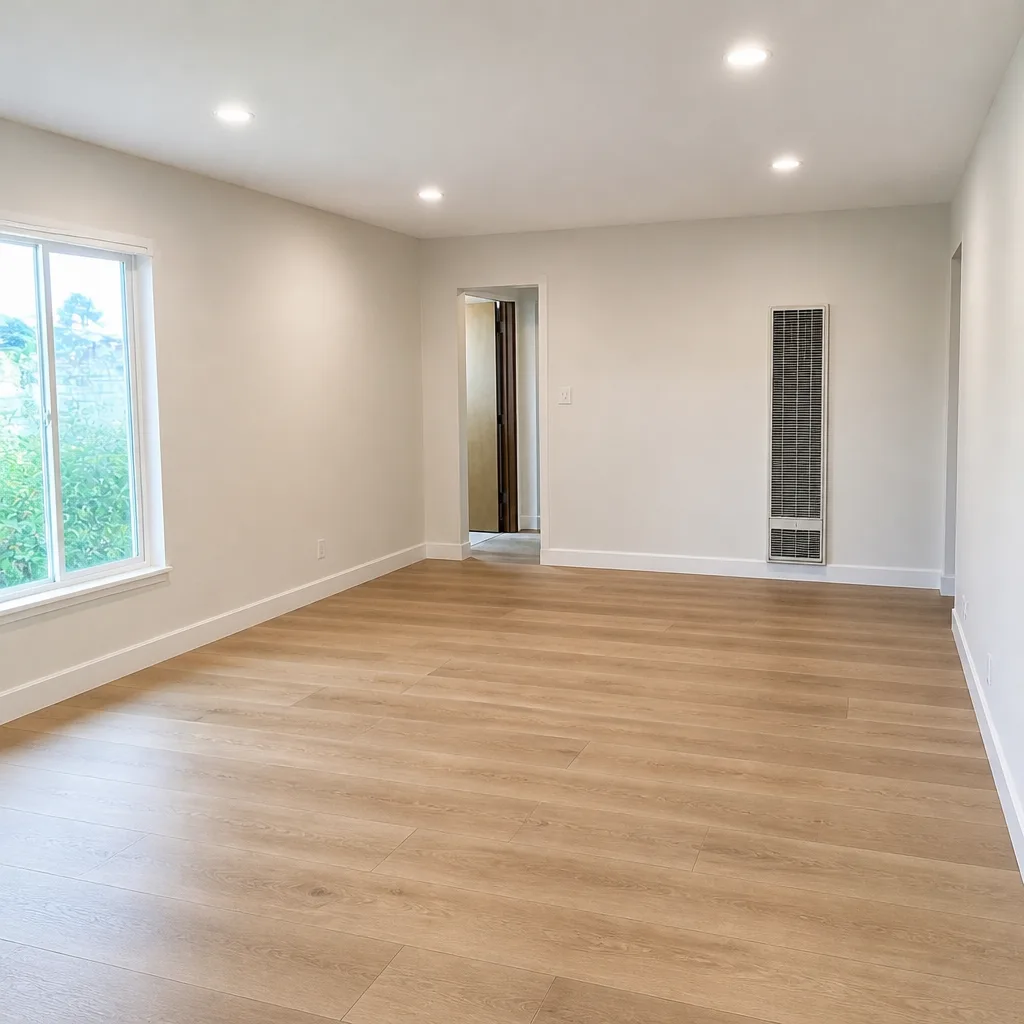 After
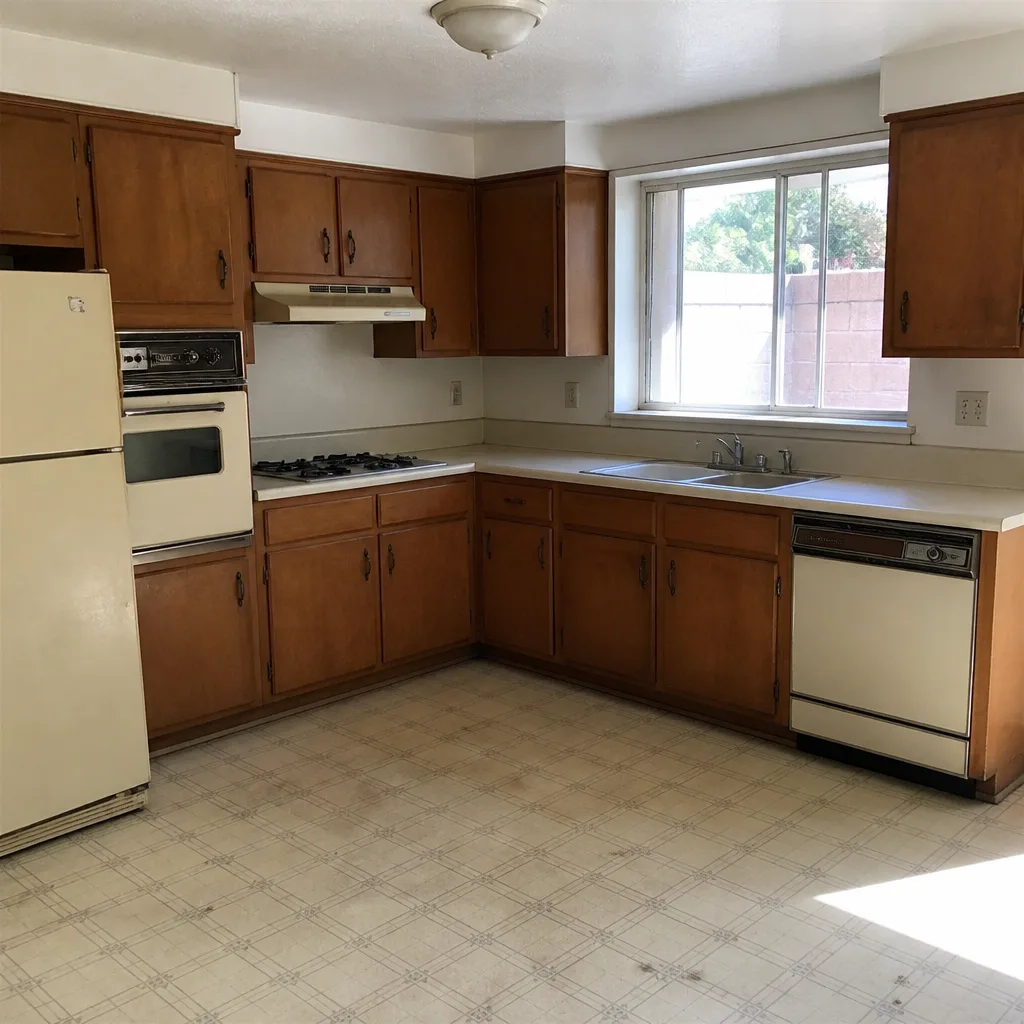 Before
 After