
Last updated November 1, 2026
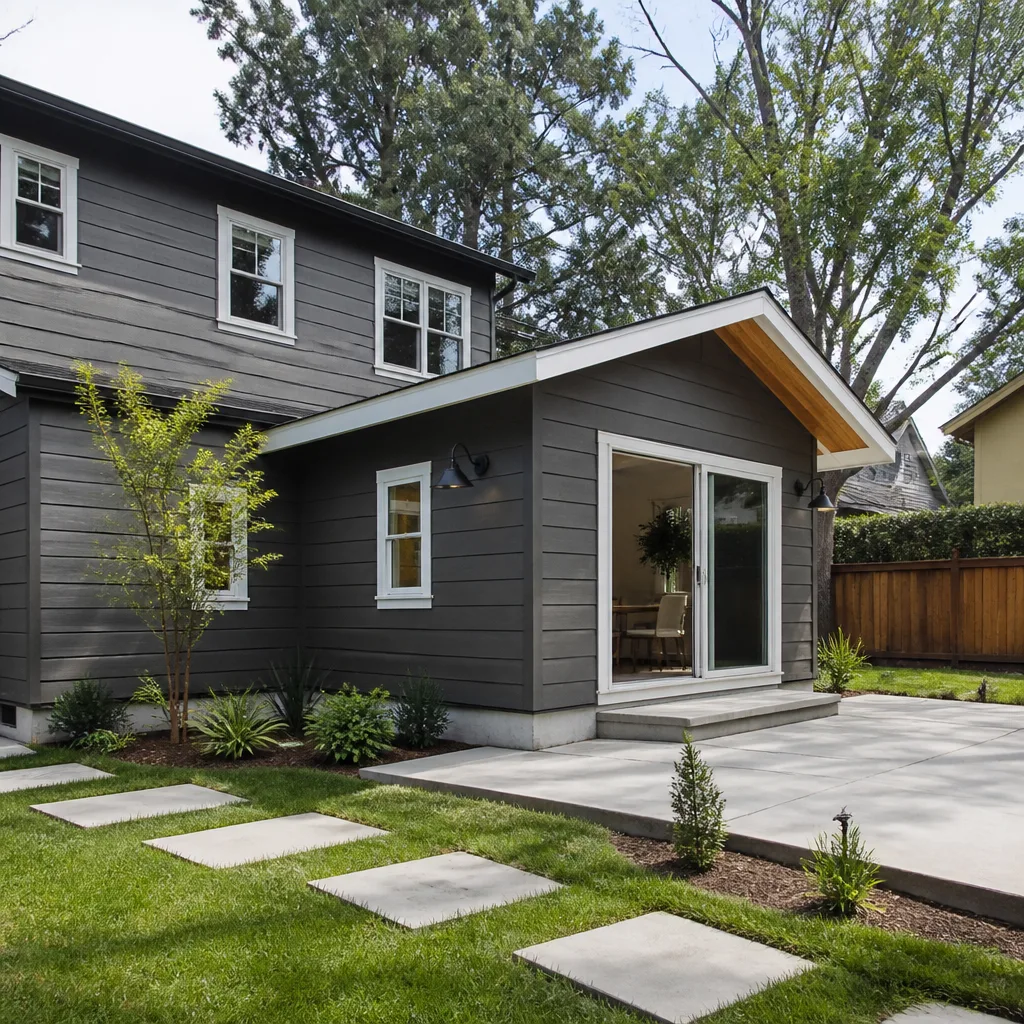 Home additions & ADU
 Kitchen remodeling
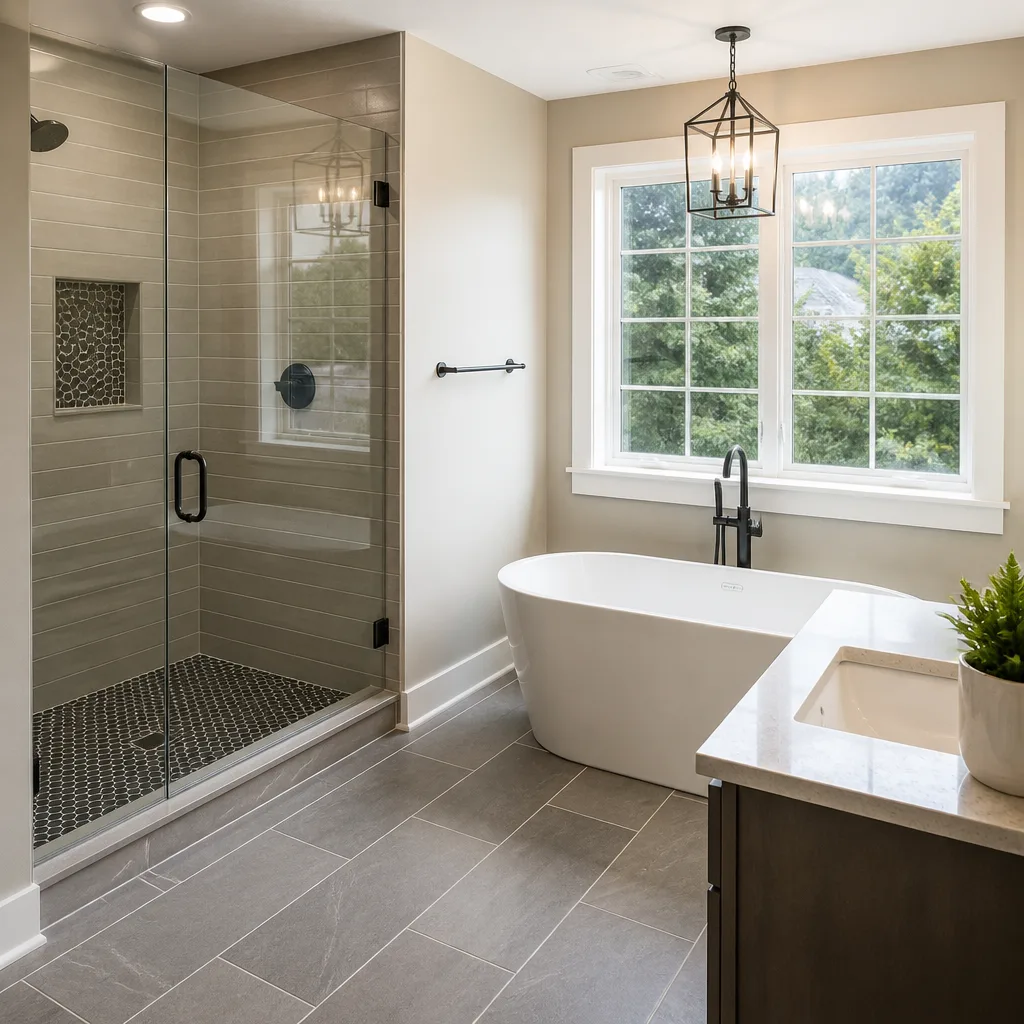 Bathroom remodeling
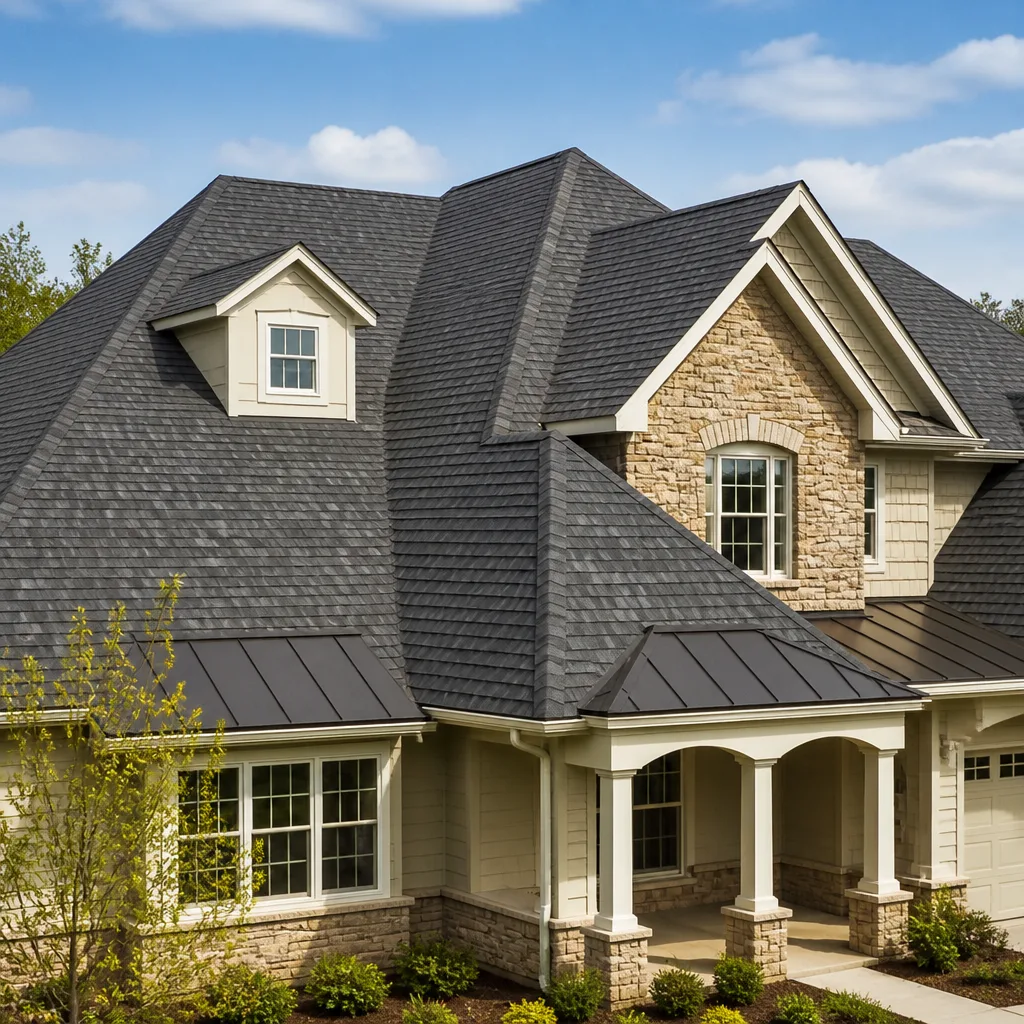 Roofing
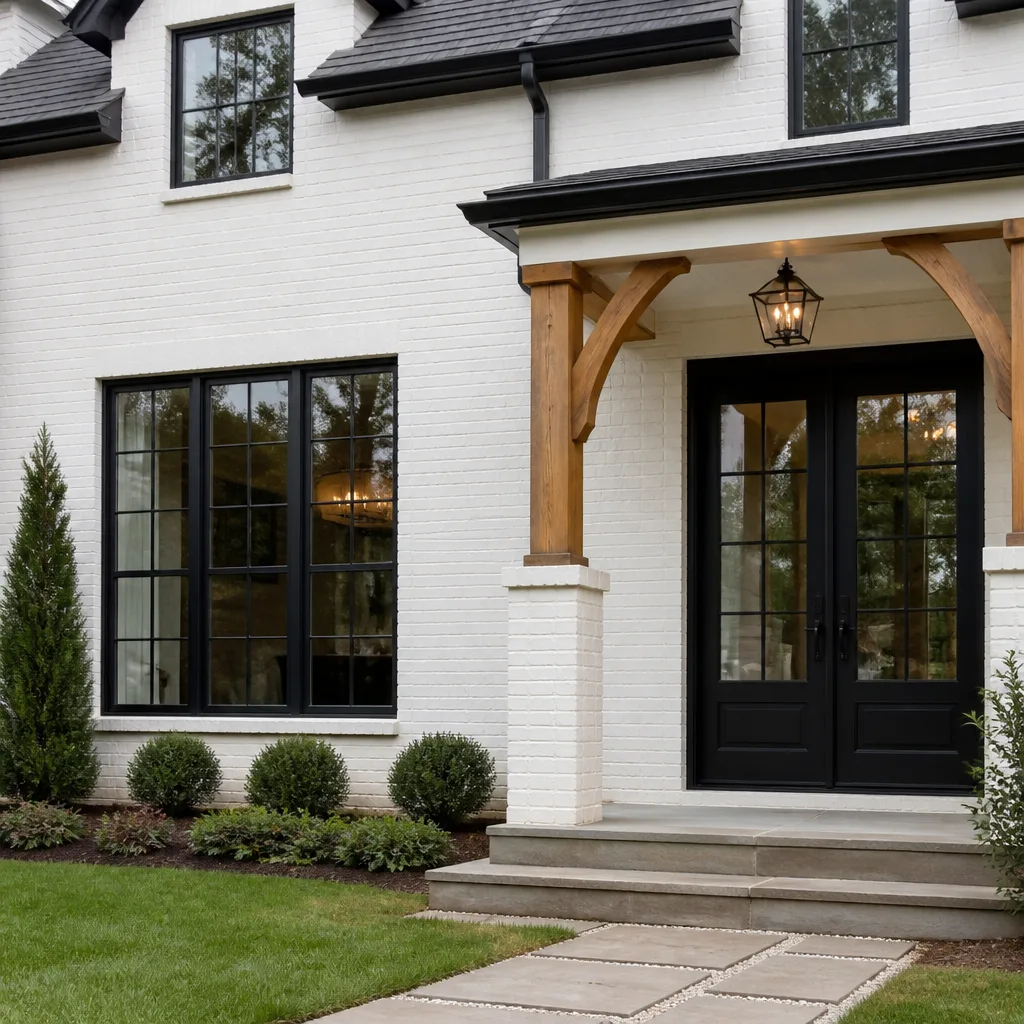 Windows & doors
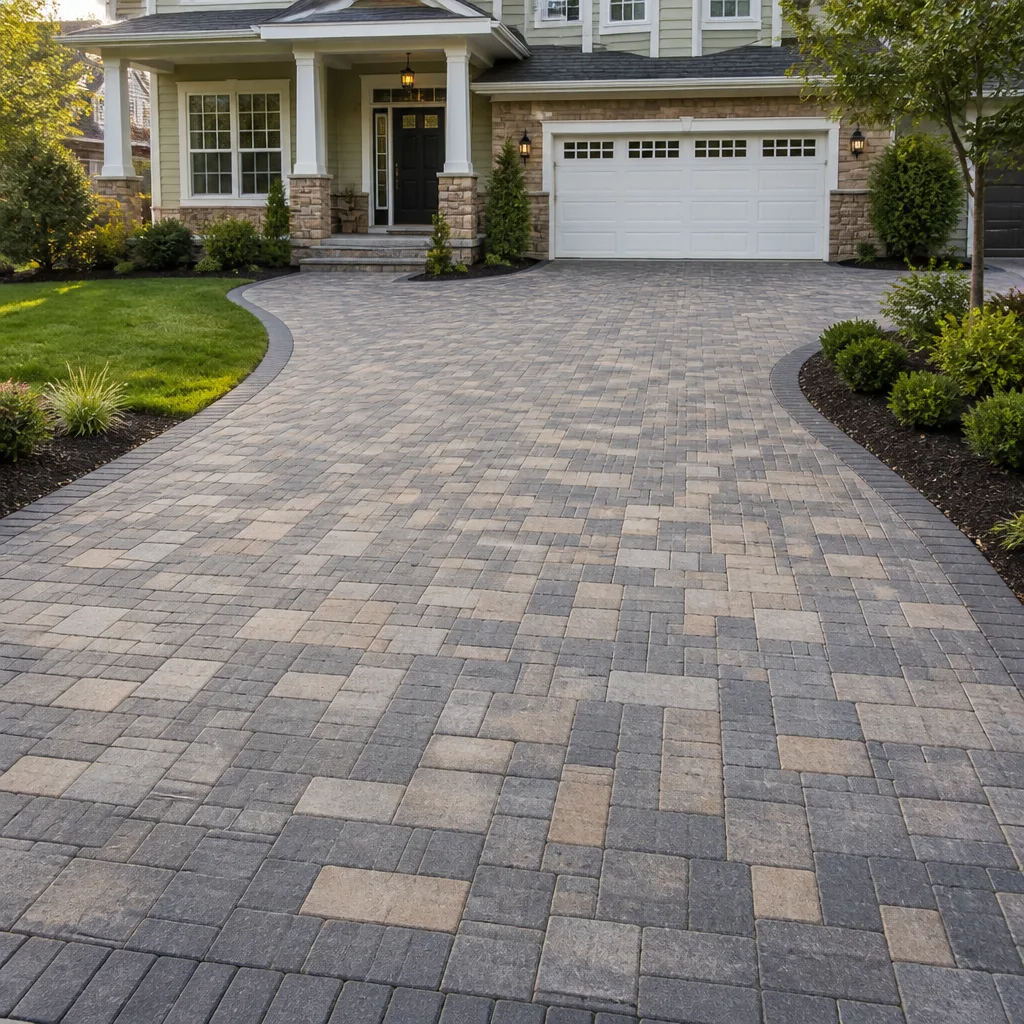 Driveway & pavers
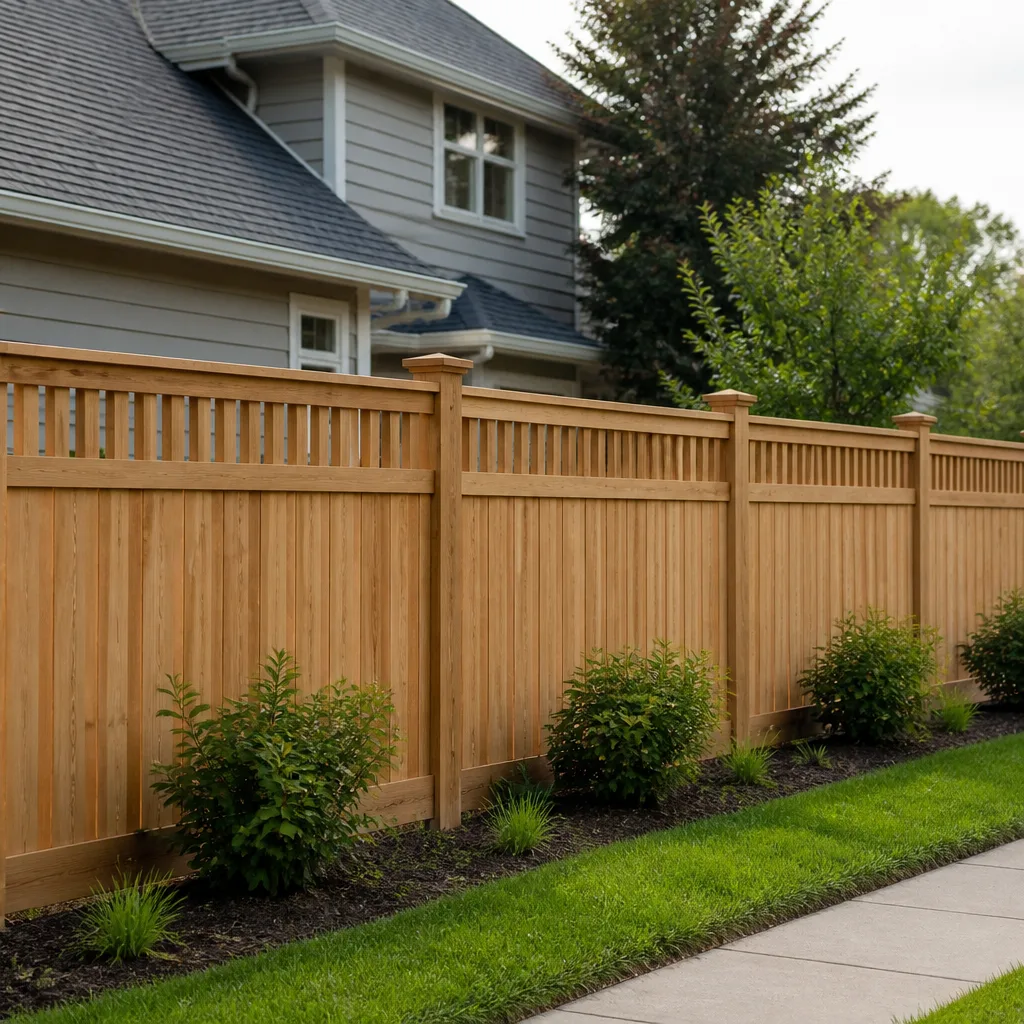 Fence
Free written scope consultation - allowances, timeline, and change-order rules on paper before a single trade is scheduled
Seasonal Construction Care for Buena Park: Year-Round Homeowner’s Guide
Southern California’s mild reputation masks a damaging pattern: intense UV degradation through spring and summer, followed by the first rain hitting surfaces that have been dried and cracked for months. Roofing, stucco, and caulked joints in Buena Park take their worst hits in that first October rain, not during the peak rainy season. This guide maps the specific seasonal stresses Buena Park homes face, and shows you exactly when to inspect, maintain, and schedule construction work so every system lasts longer and costs less over time. For a broader overview, see our The Complete Guide to Construction in Buena Park.
Quick Answer
Seasonal construction care in Buena Park revolves around a few specific windows: pre-Santa Ana inspections in September and October, post-rain drainage and foundation checks in February and March, and timed construction scheduling that avoids peak heat for adhesives, coatings, and concrete work. For deeper guidance, read The Complete General Contractor Guide for Buena Park Homeowners. The most damaging event isn’t heavy rain, it’s the first rain after months of UV drying. If you only do one thing all year, inspect your roof, gutters, and exterior caulking before the first October storm.
Styles & brands we work with
- Kitchen remodeling
- Bathroom remodeling
- Home additions & ADU
- Roofing
- Windows & doors
- Driveway & pavers
- Fence
Table of Contents
- The Buena Park UV Cycle: Why ‘Mild’ Weather Is Harder on Homes Than You Think
- The Pre-Santa Ana Window: September Through October
- Rain Season Response: November Through January
- The Post-Rain Assessment Window: February Through March
- Summer Construction Timing: Heat, Adhesives, and Concrete
- Scheduling Larger Construction Scopes Around Buena Park’s Seasons
- How Buena Park UV Exposure Degrades Different Materials
- A Year-Round Maintenance Budget and Timeline for Buena Park Homeowners
The Buena Park UV Cycle: Why ‘Mild’ Weather Is Harder on Homes Than You Think
Buena Park sits at roughly 33.8 degrees north latitude, which means the sun hits exterior surfaces at a consistently high angle from March through October. Homeowners hear “mild climate” and assume their siding, roofing, and sealants are coasting. The opposite is true. A mild climate means no freezing temperatures to force inspections, so maintenance gets deferred. It also means dry heat and UV exposure work continuously, month after month, with no winter break.
We see the results of this pattern on nearly every full-scope remodeling project in Buena Park. Composite roofing that should last 25 years shows visible granule loss at year 12 because nobody checked it after a decade of uninterrupted UV exposure. Stucco hairline cracks that never got sealed before October widen through rain cycles and turn into moisture intrusion paths behind the wall system. Caulked joints around windows dry, shrink, and pull away from the framing, and the homeowner doesn’t notice until water staining appears on interior drywall.
The core problem is complacency created by good weather. A homeowner in Chicago knows they must winterize. A homeowner in Buena Park assumes there’s nothing to winterize. But your house needs a different kind of preparation: preparation for the first rain hitting UV-dried materials after eight months of uninterrupted sun. That’s the annual stress event that drives most exterior system failures here, and it’s entirely predictable.
The Pre-Santa Ana Window: September Through October
This is the highest-leverage maintenance period in Buena Park, and most homeowners miss it. Between mid-September and late October, you get a narrow window where temperatures have dropped enough for sealants and coatings to cure properly, but the first strong Santa Ana winds and the first significant rain haven’t arrived yet. Scheduling inspections and small repairs during this window prevents the majority of water damage that occurs in the following months.
Why does this window matter so much? Santa Ana winds in Buena Park don’t just blow leaves around. They push driving dust and debris against exterior surfaces, abrade sealant beads, and find every loose flashing edge on your roof. Then the first rain arrives and turns those small openings into water intrusion channels. A roof that survived the previous winter without issue can fail in October because the summer’s UV exposure dried out the sealant around roof penetrations, and the Santa Ana winds finished the job.
Here’s the pre-Santa Ana checklist we recommend to our Buena Park clients:
- Roof inspection – Check for lifted or cracked shingles, granule loss, and dried caulking around vents, pipes, and skylights. Look specifically at south-facing and west-facing roof planes; they take the most direct UV exposure in Buena Park.
- Gutter cleaning and repair – Clear debris before Santa Ana winds push more in. Check downspout connections and confirm water flows away from the foundation. A gutter that overflows during the first October rain sends water straight down along the foundation wall.
- Exterior caulking and sealant check – Inspect every penetration: windows, doors, hose bibs, electrical boxes, vents. If caulk is cracked, shrunken, or pulling away, remove it and reapply a high-quality sealant rated for exterior UV exposure.
- Stucco and siding inspection – Look for hairline cracks, especially around corners and window openings. These expand during rain cycles and become pathways for water to reach the framing.
- Irrigation system shutoff preparation – If you haven’t already, prepare to reduce or shut off irrigation before the rain season. Oversaturated soil around the foundation before a heavy rain event is a recipe for moisture problems.
Because Buena Park’s first significant rain typically arrives in late October or November, completing this checklist by mid-October means your home enters the rain season with all exterior systems sealed and functioning. The cost of this preparation is a fraction of repairing water damage after it happens. From the roof down to the foundation, the pre-Santa Ana window is the single most valuable maintenance period on the Buena Park calendar.
Rain Season Response: November Through January
Once rain season begins in Buena Park, the maintenance strategy shifts from preparation to response and monitoring. The goal during November through January isn’t major construction. It’s identifying problems early, preventing small leaks from becoming major repairs, and understanding what you’re looking at when water does appear.
The first heavy rain after the dry season is the test. It shows you exactly where your preparation succeeded and where it fell short. We always tell homeowners to walk the perimeter of their home during and immediately after the first significant storm. Look for water pooling against the foundation, overflowing gutters, or water staining on exterior walls. Check the attic if it’s accessible. Small dark spots on the underside of roof sheathing during or after rain indicate a roof leak that hasn’t made it through to the ceiling yet.
If you discover a leak during rain season, resist the urge to schedule a permanent repair immediately. The exception is if water is actively entering living spaces; in that case, temporary mitigation is warranted. Wet surfaces can’t properly accept sealants or roofing materials. The repair will fail if applied to wet substrates. Instead, document the location, contain the water if needed, and schedule the permanent fix during the first dry break after the storm passes.
This is also the season to monitor indoor humidity and condensation. Buena Park doesn’t get cold enough for extended freeze-thaw cycles, but single-pane windows and poorly sealed door thresholds will still show condensation during cool, damp periods. Excessive condensation on window interiors is often mistaken for a window failure. More often, it’s an indication of poor air circulation combined with high indoor humidity. Running exhaust fans during and after showers and cooking helps. If condensation persists on new double-pane windows, that’s a different issue and worth investigating.
For homeowners planning a major renovation with a general contractor in Buena Park, rain season is actually a good time for interior scopes. Kitchen and bathroom remodels, flooring, and interior painting proceed normally regardless of exterior weather. The key is scheduling any scope that opens the building envelope (roofing, window replacement, exterior siding removal) during drier months, which we cover in the scheduling section below.
The Post-Rain Assessment Window: February Through March
Late winter is the best window to assess drainage, grading, and foundation moisture after rain season, not before it. This runs counter to the way most homeowners think about maintenance. The instinct is to prepare before rain. That’s correct for roofing and exterior joints. But for drainage, grading, and foundation issues, you need to see what the rain actually did. February through March in Buena Park gives you the data you need.
After the rain season ends, walk your property with this specific focus:
- Check soil around the foundation – Is the soil sloping toward the house or away? Rain season reveals this. Water pooling near the foundation after a storm, or soil that remains saturated for days afterward, indicates grading problems that need correction.
- Inspect the foundation perimeter – Look for new cracks, efflorescence (white mineral deposits), or water staining on the foundation wall. These indicate water is reaching the foundation and wicking into the structure.
- Check for soil settlement – Buena Park sits on a mix of soil types depending on the specific neighborhood. Areas with expansive clay soils show settlement after wet periods. Look for gaps between the soil and the foundation, or changes in the slope of hardscaped areas.
- Inspect drainage systems – Downspout extensions, French drains, area drains, and dry wells all need post-rain verification. If they were installed but aren’t functioning properly, you’ll see the signs now: sediment deposits, standing water, or erosion patterns.
- Check crawlspace or basement moisture – If your Buena Park home has a crawlspace, check it in February. High moisture readings, standing water, or musty odors indicate drainage or vapor barrier problems that should be addressed before summer temperatures increase humidity-related issues.
Post-rain assessment often surfaces issues that aren’t visible during dry periods. A small foundation crack that opens slightly after soil expansion is a much earlier warning sign than a problem discovered after it has widened into a structural concern. One contractor, every system: when you’re assessing drainage, grading, and foundation conditions together, you’re seeing how the home’s systems interact rather than treating symptoms in isolation.
Summer Construction Timing: Heat, Adhesives, and Concrete
Summer in Buena Park means temperatures that regularly climb into the upper 80s and occasionally the 90s, with intense direct sun and low humidity. Those conditions matter for construction timing, because heat affects how materials cure, bond, and set. Understanding these effects helps you schedule work that produces better results.
Adhesives and sealants are the most heat-sensitive materials in construction. Most construction adhesives and sealants are rated for application within a specific temperature range, typically between 40 and 90 degrees Fahrenheit for the material itself. Surface temperatures matter more than air temperatures. A dark-colored roof or a south-facing wall in Buena Park can easily reach 130 to 150 degrees on a July afternoon, even when the air temperature is in the 80s. Applying adhesive or sealant to a surface that hot causes it to flash-cure on the surface while remaining wet underneath, creates a poor bond, and leads to premature failure. This is why professional contractors schedule roofing adhesive work and exterior sealant applications for early morning or during cooler months.
Concrete work in summer requires specific protocols. Buena Park’s low humidity means water evaporates from fresh concrete rapidly. Without proper curing methods (moist curing, curing compounds, or evaporative control measures), concrete develops surface cracking and reduced strength. If you’re planning hardscaping with pavers, you’re less affected because pavers are manufactured products installed over prepared base. But poured concrete for patios, walkways, or foundations needs careful timing. Spring and fall are ideal for concrete pours in Buena Park. Summer pours can be done successfully with proper curing, but they require more monitoring.
Paint and coatings are another category that behaves differently in heat. Latex paints and elastomeric coatings applied to hot surfaces dry too quickly, which prevents proper film formation. The result is a coating that looks fine initially but fails prematurely. For exterior painting, choose mornings, overcast days, or schedule for fall and spring. For interior painting, summer is actually advantageous because low humidity speeds up dry time between coats.
Window and door installation in summer also deserves attention. Thermal expansion means materials are at their maximum dimensions in summer heat. A window or door installed tightly on a hot day will still function, but installation tolerances should account for thermal movement. Professional installers in Buena Park know to allow appropriate clearance for expansion and to use sealants that remain flexible after curing. Products like those from CGI, ES Windows, and ECO Window Systems are engineered with thermal movement in mind, but installation still needs to respect the material realities.
Scheduling Larger Construction Scopes Around Buena Park’s Seasons
Plan it once, build it right. If you’re scheduling a significant remodel, addition, or exterior replacement, timing matters for the quality of the finished product. See Choosing the Right Construction Brand: A Buyer’s Guide for Buena Park for help selecting the right partner. Buena Park’s seasonal patterns create natural windows for different types of work.
Roofing replacement: Schedule for spring (March through May) or fall (September through November). Roofing materials, especially asphalt-based products and adhesive underlayments, install best in moderate temperatures. Summer roof installations expose workers to extreme heat and cause adhesive and sealant issues. Winter installations conflict with rain interruptions. Spring and fall give you the best combination of weather reliability and material performance.
Window and door replacement: The same windows that apply to roofing apply here, with one added consideration. Opening up window openings during rain season introduces water intrusion risk. Schedule window and door replacement for dry months: March through November. Within that range, avoid the hottest summer periods for comfort and sealant performance. Late spring and early fall are ideal. Products from PGT, Therma-Tru, CWS, and ES Windows are built to spec, but installation timing still affects sealant and flashing performance.
Siding and exterior cladding: James Hardie fiber-cement siding and similar products can be installed year-round in Buena Park, but caulking and painting associated with installation perform best in moderate temperatures. Fall and spring are again the sweet spot.
Interior remodeling: Kitchen and bath remodels, flooring installation, cabinetry, and interior painting are largely season-independent. A full home remodeling project that’s primarily interior can proceed any time of year. Summer’s low humidity is actually helpful for drywall mudding, painting, and flooring adhesive cure times.
ADU and addition construction: Projects that involve foundation work, framing, roofing, and exterior cladding need to be sequenced properly. A home renovation in Buena Park that adds square footage benefits from starting foundation work in spring or fall, then proceeding through framing and interior work through the summer and into the following year. The sequencing matters more than any single season; it’s about phasing exterior work during ideal weather windows and completing interior work during less ideal periods.
Hardscaping and concrete: As covered earlier, poured concrete performs best in spring and fall. Paver installation is more flexible since the materials are manufactured and the installation process (excavation, base, sand setting, paver placement) doesn’t depend on curing. Paver projects can proceed any time the ground is workable, although summer heat makes the work slower and more physically demanding for crews.
How Buena Park UV Exposure Degrades Different Materials
UV degradation rates vary significantly by material type, and understanding these differences helps you prioritize inspections and budget for replacements. At Buena Park’s latitude, UV index values reach 10-11 (extreme) during summer months, and annual UV exposure is among the highest in the continental United States.
Composite and asphalt roofing: These materials degrade gradually and consistently. UV exposure breaks down the oils and binders in asphalt shingles, causing them to become brittle, lose granules, and eventually crack or curl. Expect visible aging on south-facing slopes much earlier than north-facing slopes, a sign of uneven degradation that’s common in Buena Park homes. Manufacturers like GAF, CertainTeed, and Owens Corning engineer modern shingles with UV-stabilized granules, which slows degradation but doesn’t eliminate it.
Stucco and exterior coatings: Stucco itself is relatively UV-stable, but the elastomeric and acrylic coatings applied over it are not. These coatings chalk, fade, develop micro-cracks, and lose elasticity over time. Once the coating fails, moisture reaches the stucco substrate and eventually the framing. Hairline cracks in stucco coatings in Buena Park typically appear first on southern and western exposures, where thermal expansion is greatest.
Wood trim and siding: Unprotected wood degrades quickly under Buena Park’s sun. Paint and stain provide the UV barrier; once the coating fails, the wood itself begins to break down. Check wood elements annually for peeling paint, exposed bare wood, and signs of wood decay or termite activity. Wood trim that’s been properly maintained with regular repainting can last decades, but neglecting repainting cycles accelerates replacement timelines dramatically.
Window and door sealants: Exterior sealants (caulk) have the shortest useful life of any exterior component, typically 5 to 10 years depending on product quality and exposure. Sealants on south and west-facing windows in Buena Park degrade fastest. Failed sealants allow water intrusion around window and door frames, and are one of the most common sources of hidden water damage we find during whole-home projects.
Hardscape surfaces: Concrete and pavers fade and develop surface wear from UV plus foot traffic and vehicle traffic. Belgard, Unilock, and Techo-Bloc pavers use UV-stable colorants that resist fading significantly better than standard concrete or lower-quality pavers. Concrete surfaces benefit from periodic sealing to protect against UV damage and staining.
The lesson across all materials is that southern and western exposures fail first. If you inspect nothing else, inspect the south and west sides of your Buena Park home every year. Those surfaces are accumulating UV damage at roughly twice the rate of northern exposures.
A Year-Round Maintenance Budget and Timeline for Buena Park Homeowners
Here’s a structured annual maintenance timeline that maps directly to Buena Park’s seasonal patterns. Following this schedule extends system life and reduces emergency repair costs. The budget numbers assume a typical 3-bedroom, 2-bath single-family home of approximately 1,800 square feet. Larger homes or homes with more complex rooflines, landscaping, or hardscaping will be proportionally higher.
January – February: Interior and Planning Months
- Check for condensation on windows during cool morning hours; verify exhaust fans are functioning.
- Inspect attic and crawlspace after January rains; document any moisture or staining for follow-up.
- Plan the year’s construction scopes: get quotes for spring and fall projects during the slower season.
- Estimated cost range: $0-$500 unless repairs are identified.
March – April: Post-Rain Repairs and Spring Scopes
- Complete any drainage, grading, or foundation repairs identified during post-rain assessment.
- Schedule roofing, siding, or exterior coating work for spring execution.
- Inspect irrigation systems before summer and adjust for efficiency.
- Estimated cost range for drainage repairs: $500-$3,000 depending on findings; exterior maintenance: variable.
May – June: Late Spring Construction Window
- Execute roofing, window, siding, or exterior coating projects planned in spring.
- Pour concrete for patios, walkways, or slabs before peak summer heat arrives.
- Schedule interior remodeling scopes for summer execution; interior work is unaffected by heat.
- Estimated cost range: project-dependent.
July – August: Interior Projects and Preparation
- Execute interior remodeling, flooring, cabinetry, and painting projects during low-humidity summer months.
- Begin planning the pre-Santa Ana inspection window; book roof and gutter contractors before fall rush.
- Inspect south and west exterior surfaces at midday; document any new cracking, fading, or sealant failure.
- Estimated cost range: interior remodeling project budgets; inspection costs minimal.
September – October: Pre-Santa Ana Maintenance Window (Highest Leverage)
- Complete the full pre-Santa Ana checklist: roof inspection, gutter cleaning, exterior caulking, stucco inspection.
- Complete small exterior repairs before the first rain.
- Reduce irrigation schedule; prepare landscape for rain season.
- Estimated cost range for comprehensive roof and gutter maintenance: $300-$800 for a typical Buena Park home.
November – December: Rain Season Monitoring
- Walk the property during and after the first heavy storm; check for leaks, pooling, and drainage performance.
- Monitor indoor humidity and condensation; address ventilation issues.
- Document any water intrusion for post-rain repairs in spring.
- Estimated cost range: $0 unless issues arise.
Over the course of a typical year, a well-maintained Buena Park home requires somewhere between $1,000 and $5,000 in routine maintenance and small repairs, depending on home age, exterior finishes, and how diligently previous maintenance was performed. This range covers the minor work: gutter cleaning, exterior caulking touch-ups, sealant replacement, drainage corrections, and small roof repairs. Major replacements (full roof, full window replacement, full siding replacement) are separate capital projects with distinct budgeting timelines.
Common Mistakes to Avoid
- Assuming mild weather equals no maintenance. Buena Park’s lack of freezing temperatures means there’s no natural forcing function for seasonal preparation. Homeowners who skip annual inspections accumulate years of silent UV damage that surfaces as expensive failures.
- Ignoring the first October rain as a stress test. The first significant rain after months of UV drying is the single highest-risk weather event for exterior systems. If you’re going to inspect before any rain event, make it the first one of the season.
- Applying sealants and coatings in summer heat. Surface temperatures on south-facing walls and roofs regularly exceed 130 degrees in Buena Park during summer. Sealants applied to hot surfaces fail prematurely. Schedule exterior sealing for fall or spring.
- Scheduling roofing replacement during rain season. Roofing a home in November through January in Buena Park means weather delays, wet substrate issues, and increased risk of water intrusion during installation. Spring and fall are the correct windows.
- Waiting until spring to assess drainage. Drainage and grading issues are visible during and immediately after rain season. By late spring, surface signs have dried and are harder to detect. February is the right time for drainage assessment.
- Treating condensation on windows as a window defect. In Buena Park’s mild climate, interior condensation is usually a ventilation issue, not a window failure. Replacing functional windows because of treatable condensation wastes money.
- Watering the landscape heavily before rain events. Saturating soil around your foundation before a major storm prevents drainage and creates hydrostatic pressure against the foundation. Reduce irrigation before rain season begins.
See the difference
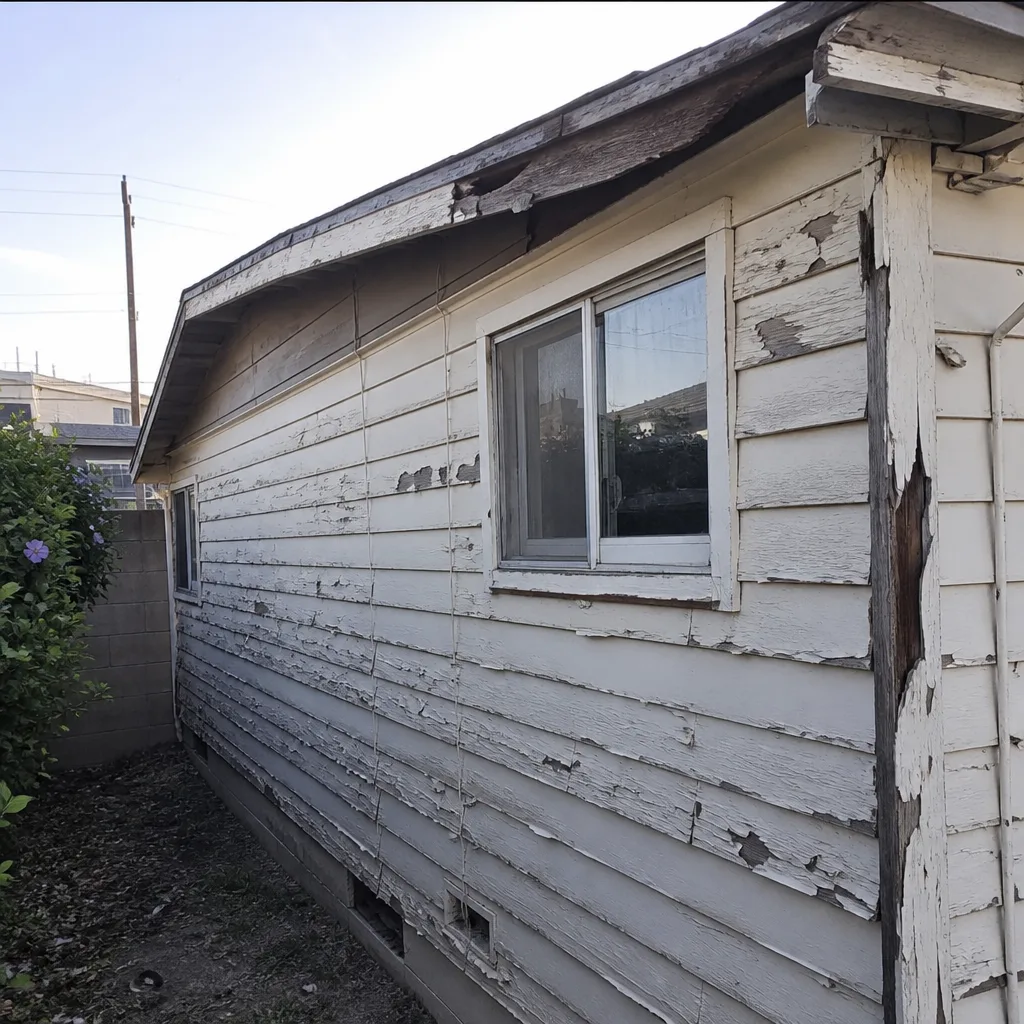 Before
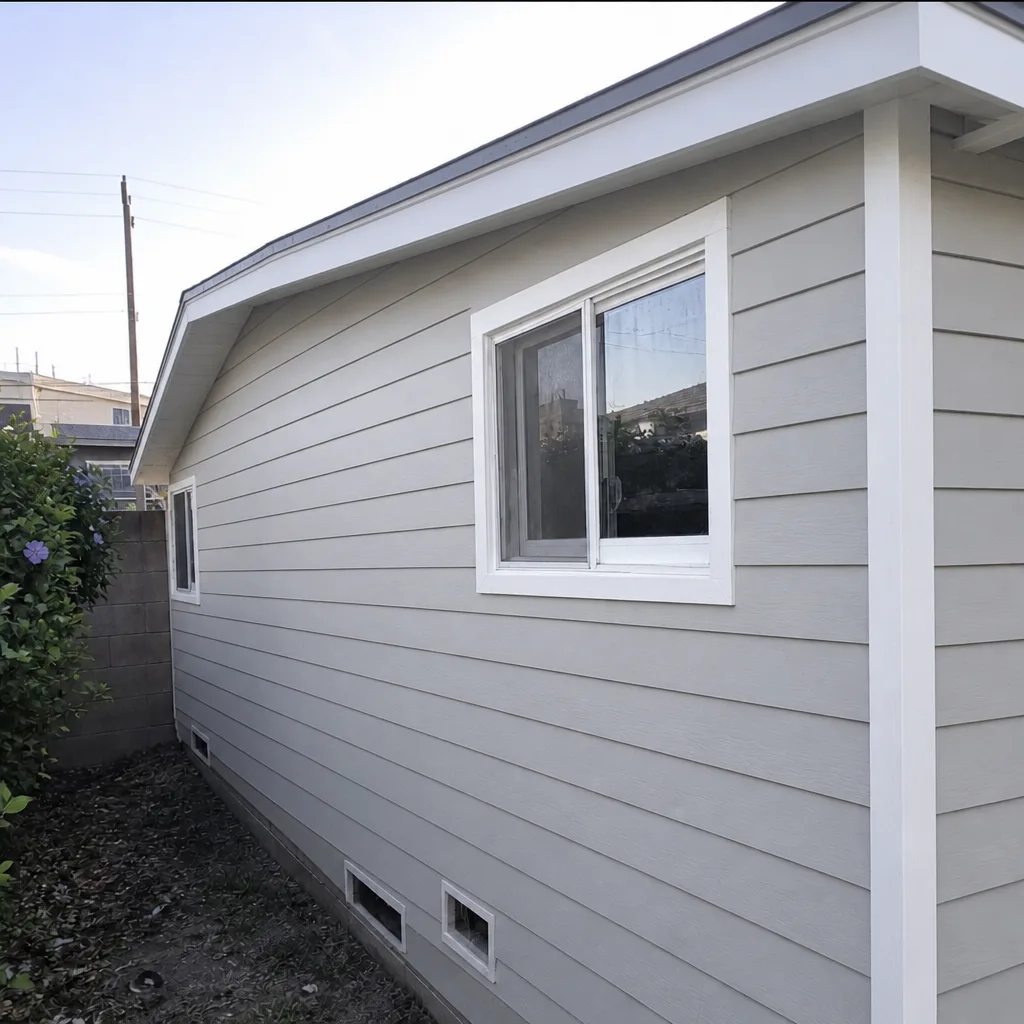 After
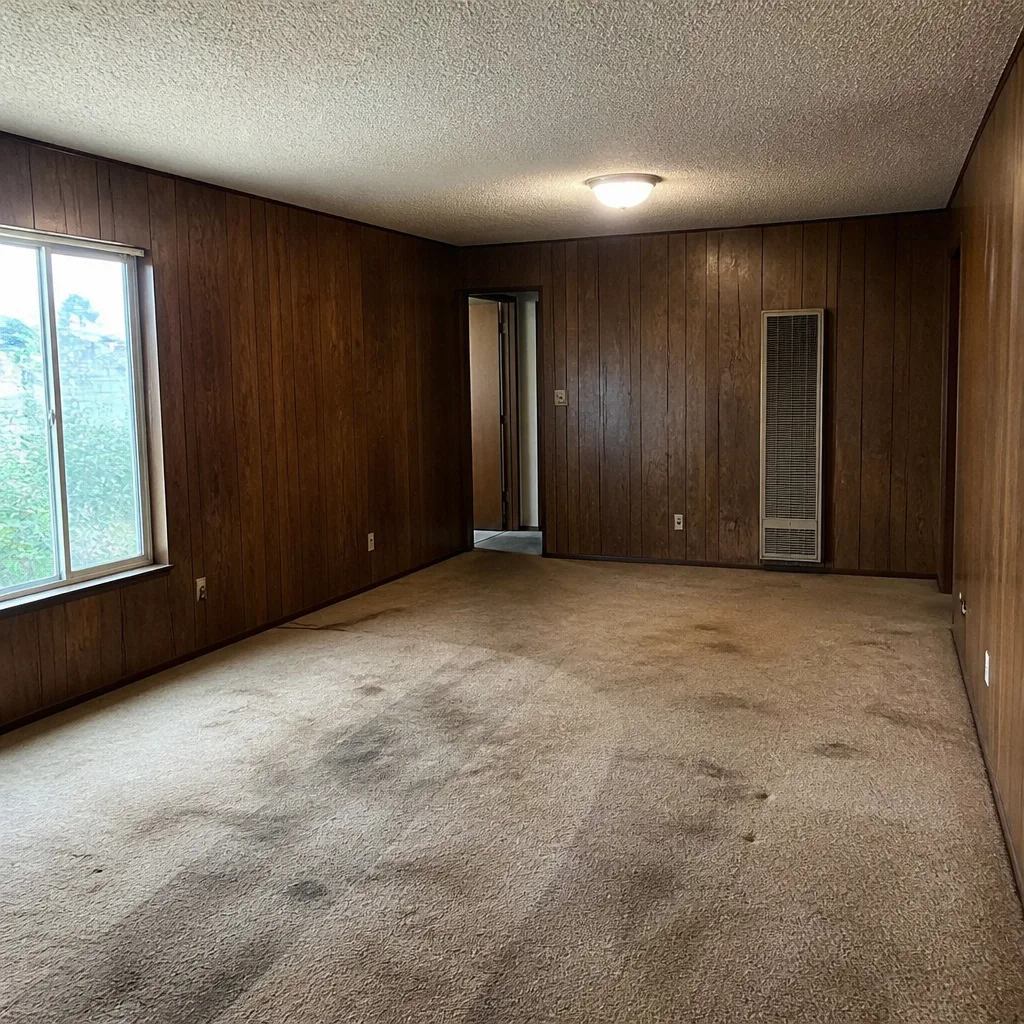 Before
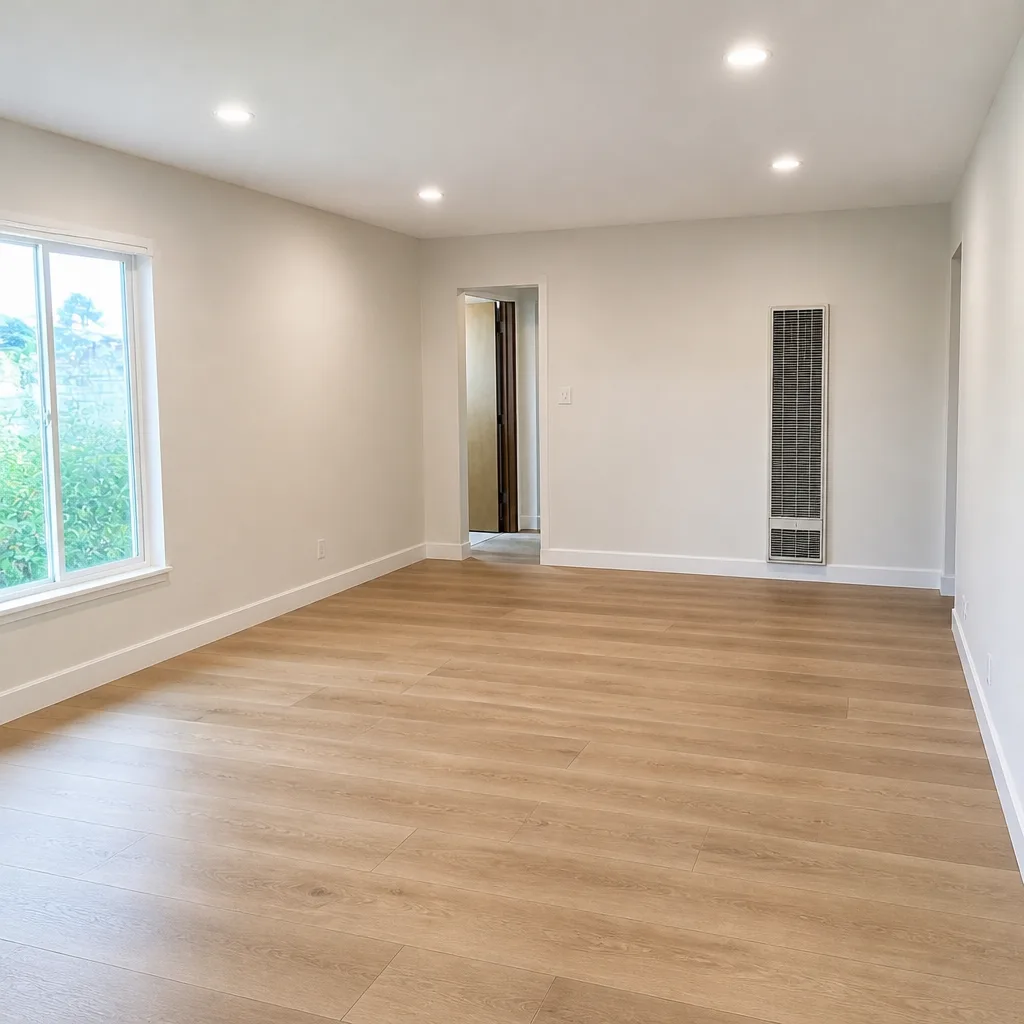 After
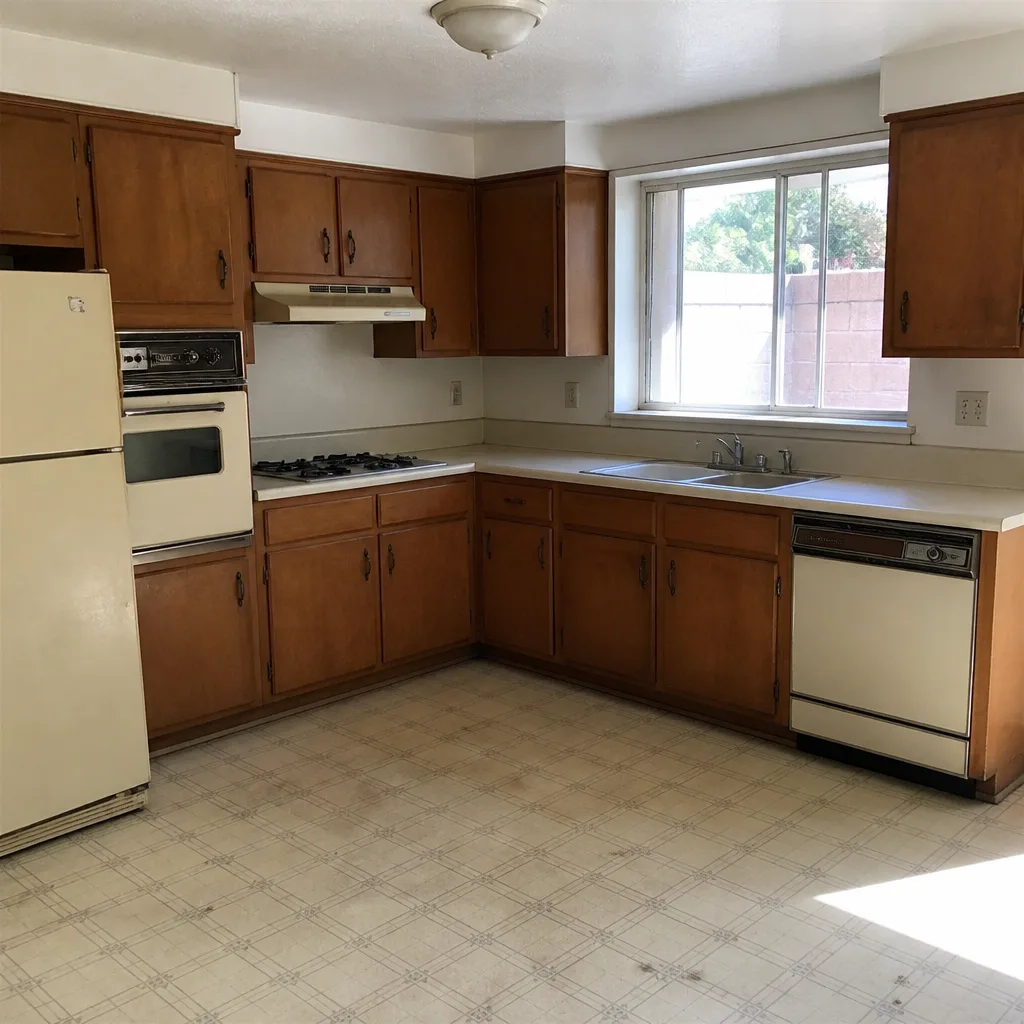 Before
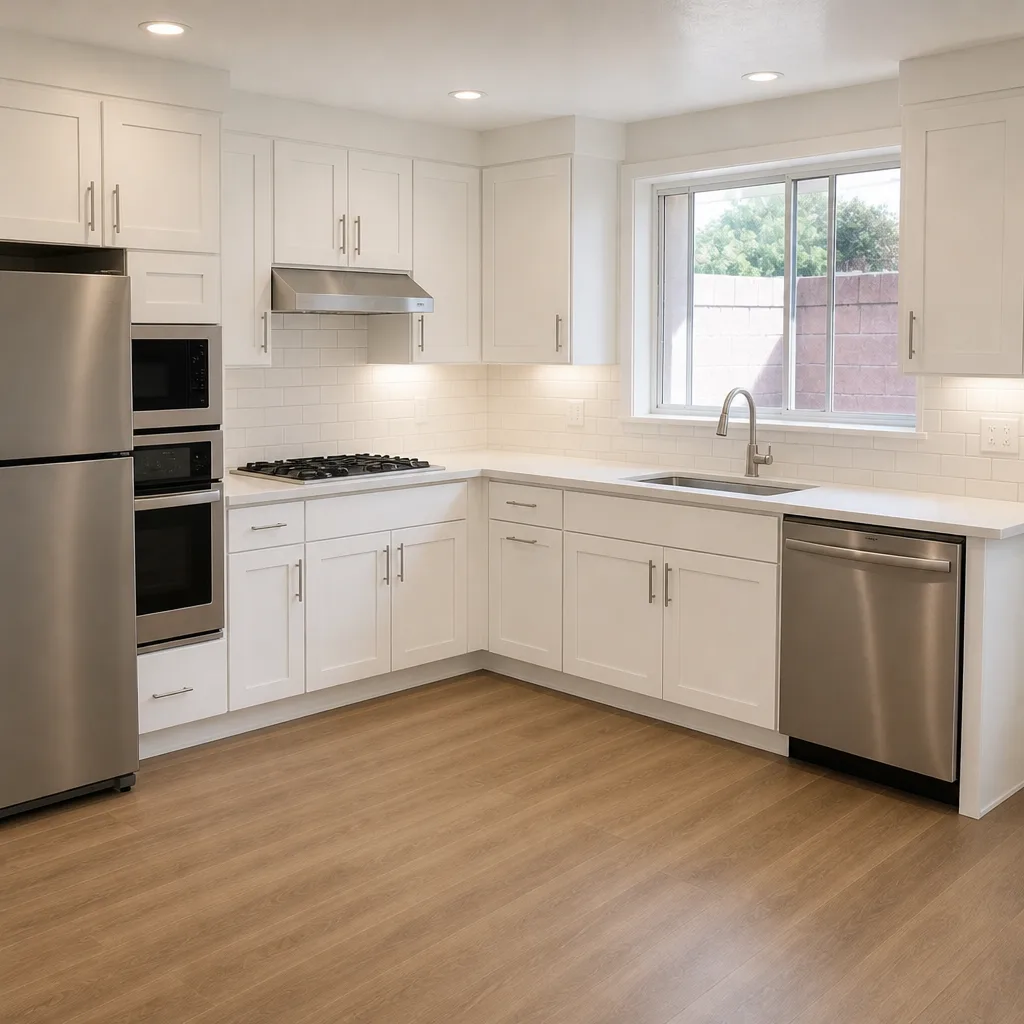 After
When to Call a Professional
Some seasonal maintenance tasks are appropriate for a capable homeowner: gutter cleaning, visual inspections, caulking touch-ups on single-story exteriors, and irrigation adjustments. Other situations warrant professional evaluation. If you see water staining on ceilings or interior walls, soft spots in flooring near exterior walls, visible foundation cracks that widen after rain, or roof granule loss concentrated in gutters and downspouts, get a professional assessment. The same goes for any project that involves working at height, such as roof inspection or second-story exterior repairs. High-tension components and structural issues are never DIY territory.
If you’re in Buena Park and want a professional assessment of your home’s exterior systems, drainage, or upcoming construction planning, Key Step Construction offers free estimates. Explore more guides & resources on our blog to prepare for your consultation. Call (855) 382-0824 to schedule a walkthrough. One contractor, every system means one point of accountability from the roof down to the foundation.
Frequently Asked Questions
The most important task is the pre-Santa Ana inspection in September or October, focused on roofing, gutters, exterior caulking, and stucco condition. This window catches UV damage before the first rain forces water into compromised surfaces, preventing most water damage that occurs during the following months. The cost of this inspection and small repairs is a fraction of what water damage remediation costs. If you’d like a professional evaluation, call (855) 382-0824 for a free estimate.
Schedule roof replacement for spring (March through May) or fall (September through November), when temperatures are moderate and rain interruptions are less likely. Summer roof applications risk adhesive and sealant failures from extreme surface heat, and winter work is subject to rain delays and wet substrate issues. A roof installed in the right season lasts longer because every component, from underlayment to sealants, cures properly. For roofing assessment in Buena Park, call (855) 382-0824.
Exterior caulking in Buena Park typically needs replacement every 5 to 10 years, with south and west exposures failing first due to UV and thermal stress. Inspect caulked joints annually; replace any that show cracking, shrinking, or separation from the substrate. Catching failed caulk before rain season prevents hidden water damage that’s much more expensive to repair. Key Step Construction offers free exterior assessments in Buena Park. Call (855) 382-0824 to schedule.
Drainage problems become visible after rain because saturated soil reveals grading deficiencies, clogged drains, and poor downspout routing that dry conditions hide. Buena Park’s mix of soil types means some neighborhoods experience more pronounced settling and drainage issues after rain season. February is the best month to assess drainage conditions, because the evidence is still visible but the worst of the weather has passed. Call (855) 382-0824 for a drainage assessment.
Yes, but with material-specific caveats. Interior work is ideal in summer due to low humidity. Exterior work involving sealants, coatings, adhesives, or concrete requires careful timing to avoid heat-related failures. Surface temperatures on south and west exposures can exceed 130 degrees in summer, which interferes with proper curing. For exterior scopes that require these materials, spring and fall produce better long-term results. Key Step Construction schedules all Buena Park projects around these seasonal constraints. Call (855) 382-0824 to plan your project.
For a typical 1,800-square-foot Buena Park home, routine annual maintenance (gutter cleaning, caulking touch-ups, inspections, small repairs, drainage corrections) runs between $1,000 and $5,000 per year, depending on home age, exterior finishes, and catch-up work required. Major replacements like roofing, windows, or siding are separate capital projects. The exact figure depends on your home’s specific condition and systems. Call (855) 382-0824 for a free estimate tailored to your property.
The Bottom Line
Buena Park’s mild climate creates a specific maintenance challenge: no freezing weather to force attention, but constant UV exposure that degrades exterior systems year-round. The pattern repeats annually: UV drying through spring and summer, first rain hitting cracked and shrunken surfaces in October, drainage issues revealing themselves through the wet months, and a February assessment window that shows you exactly where to focus repairs. Schedule the pre-Santa Ana inspection every September. Assess drainage every February. Time roofing, sealing, and exterior work for spring and fall. Plan it once, build it right, and your home’s systems will last their full engineered lifespan instead of failing early from predictable, preventable neglect.
Written by the team at Key Step Construction, serving Buena Park since 2017.