
Last updated November 1, 2026
 Kitchen remodeling
 Bathroom remodeling
 Home additions & ADU
 Roofing
 Windows & doors
 Driveway & pavers
 Fence
Free written scope consultation - allowances, timeline, and change-order rules on paper before a single trade is scheduled
How to Hire a Construction Contractor in Buena Park: A Step-by-Step Guide
California’s Contractors State License Board logs thousands of complaints every year, and a meaningful share of those complaints involve contractors who hold valid licenses. That’s the part most hiring guides skip: a license number tells you someone passed a test and bought a bond. It tells you almost nothing about how they’ll manage your money, your timeline, or your kitchen demolition. What separates a clean Buena Park remodel from a six-month dispute usually isn’t talent. It’s the paper trail and the structure you set up before anyone swings a hammer. This guide walks through the vetting mechanics and contract protections that actually hold up when something goes sideways, and you can find more guides & resources on our blog.
Quick Answer
Hiring a construction contractor in Buena Park starts with verifying a CSLB license beyond the lookup screen, then moves to a detailed scope of work, a payment schedule tied to completed milestones (never large upfront deposits), and reference checks that probe how the contractor managed problems, not just how the finished kitchen looked. The contractor you choose should carry one contract across every trade you’re touching, because fragmented scopes are where accountability goes to die. For help selecting, see Choosing the Right Construction Brand: A Buyer’s Guide for Buena Park.
Styles & brands we work with
- Kitchen remodeling
- Bathroom remodeling
- Home additions & ADU
- Roofing
- Windows & doors
- Driveway & pavers
- Fence
Table of Contents
- Step 1: Verify the CSLB License Beyond the Lookup Tool
- Step 2: Demand a Scope of Work Document, Not a Proposal Paragraph
- Step 3: Structure the Payment Schedule to Keep Leverage
- Step 4: Evaluate Subcontractor Relationships
- Step 5: The Three Reference Questions That Reveal Project Management
- Step 6: Confirm Insurance and Bonding in Writing
- Step 7: Lock Material Specifications Into the Contract
- Step 8: Clarify Permit and Inspection Responsibility
Step 1: Verify the CSLB License Beyond the Lookup Tool
Every legitimate contractor in Buena Park should have a California contractor’s license. You can check the CSLB website in under two minutes. But stopping at “license is active” is where homeowners get burned. The license screen shows the basics. The license history shows the story.
Here’s what to pull before you even schedule a walkthrough:
- License status and classification. A B-General Building license covers most residential remodels. A C-license covers a specific trade. If you’re doing a full kitchen or an exterior replacement, you want a general contractor, not a specialty license holder trying to stretch scope.
- Bond amount. California requires a $25,000 contractor’s bond. That’s the minimum. If a contractor has let their bond lapse or carries only the floor amount, that’s a signal about how they run their business.
- Workers’ compensation certificate currency. If the contractor has employees, workers’ comp insurance must be current. A lapsed certificate means if a worker gets hurt on your Buena Park property, the liability can land on you.
- Disciplinary actions on the license history. The CSLB lists past violations, complaints that resulted in action, and license suspensions. One old complaint doesn’t disqualify anyone. A pattern does.
We’ve seen Buena Park homeowners skip the history pull because it feels like overkill. Then a dispute reveals three prior actions against the same contractor for abandoning projects mid-frame. The information is public. Use it.
Step 2: Demand a Scope of Work Document, Not a Proposal Paragraph
A one-page proposal that says “remodel kitchen, install cabinets, new countertops” is not a scope of work. It’s a conversation starter, and it’s the single most common source of mid-project disputes we see in Buena Park remodels. When the contractor decides the proposal didn’t include moving a gas line or reframing a soffit, you’re suddenly staring at a change order for thousands of dollars.
A legitimate scope of work document should be itemized to the point that a third party could read it and know exactly what’s included. It should specify:
- Exact materials by brand and model number where applicable, not “quality tile” or “premium cabinets”
- Square footage and counts for flooring, tile, drywall, and paint
- Included vs. excluded work. If cabinet installation is included but plumbing rough-in is not, the document says so
- Fixture allowances with dollar amounts, so you know what “client-selected” actually means
- Site protection and cleanup expectations, including dumpster rental and daily cleanup standards
- Change order process, including how changes get priced and approved before work proceeds
Any contractor who resists putting this in writing is telling you something real about how they handle decisions. A detailed scope protects both sides. It means the contractor can’t be expected to do free work beyond the agreement, and you can’t be surprised by a bill for work you assumed was included.
Step 3: Structure the Payment Schedule to Keep Leverage
California law caps the down payment for home improvement contracts at 10% of the total project cost or $1,000, whichever is less. That’s not a suggestion. If a contractor asks for 30% or 50% upfront in Buena Park, they’re either unfamiliar with state law or hoping you are.
Beyond the legal cap, the payment schedule itself is your primary leverage tool. The goal is to never pay ahead of completed work. A reasonable structure for a mid-sized remodel looks like this:
- Initial deposit: 10% or $1,000 maximum, paid at contract signing to hold the schedule
- Demolition completion: first progress payment once demo is done and the site is clean
- Rough-in completion: payment when plumbing, electrical, and framing passes inspection
- Drywall and finishes: payment at the midpoint of visible progress
- Final walkthrough: final payment only after punch list items are resolved and you’ve done a full walkthrough
Red flags include any contractor who wants payment “to buy materials” before any work has started, or who suggests you pay subcontractors directly. A full-scope general contractor should be paying their own subs and carrying material costs until the milestone is hit. If the contractor can’t float material purchases for a week, that’s a cash-flow problem you don’t want to become yours.
Step 4: Evaluate Subcontractor Relationships
Most residential contractors in Buena Park don’t employ every trade on payroll. They use subcontractors for electrical, plumbing, tile, and roofing. That’s normal and not a red flag on its own. What matters is how the contractor manages those relationships.
Ask directly: how long have you worked with your electrician? Your plumber? Your tile setter? A contractor who has been using the same subs for five or ten years has built accountability into their operation. They’ve seen each other’s work through multiple projects, and they know who shows up when they say they will. A contractor who hires “whoever is free this week” is introducing variability you’ll feel in the schedule and the finish quality.
This is where a full-scope model helps. When one general contractor carries the roofing, the windows, the siding, and the interior remodel under one contract, the subcontractor relationships are managed by a single party. You’re not calling three different companies to coordinate a window replacement around a siding job around a roof repair. That coordination burden is exactly what a general contractor‘s fee pays for, and it’s exactly what fragmented hiring gets you.
Step 5: The Three Reference Questions That Reveal Project Management
Every contractor can produce three references who’ll say they’re happy. That’s table stakes. The question is whether those references reveal anything about how the project was actually managed. Most homeowners ask the wrong questions and get useless answers.
Here are the three questions that separate a managed project from a lucky one:
- “What went wrong during the project, and how did the contractor handle it?” Every remodel has something go wrong. A reference who says “nothing went wrong” is either lying or wasn’t paying attention. The useful answer tells you how the contractor responded to the problem: did they communicate immediately? Did they present options? Did they absorb the cost when it was their fault?
- “How often did you hear from the contractor during the project?” The answer reveals communication cadence. Daily updates? Weekly calls? Radio silence until you called them? A contractor who communicates well during the project is a contractor who’ll communicate well when your project hits a snag.
- “Did the final cost match the contract price, and if not, why not?” Change orders are normal when the homeowner changes their mind. Change orders that appear without explanation are the problem. This question tells you whether the contractor priced accurately upfront or used a low bid to win the job and made it up in changes later.
Ask these questions by phone, not email. People share more in conversation, and the pauses tell you things too.
Step 6: Confirm Insurance and Bonding in Writing
A contractor’s insurance certificate is not something you glance at. It’s something you verify before work starts, and again if the project runs long enough that a policy could lapse mid-job. In Buena Park, where remodels routinely hit six figures, the gap between what a contractor’s insurance covers and what your homeowners policy covers is real money.
Request a certificate of insurance that names you as an additional insured. It should show:
- General liability coverage adequate for your project size, typically $1 million minimum for a major remodel
- Workers’ compensation coverage if the contractor has employees, and verification that subcontractors carry their own
- Policy expiration dates that extend beyond your project timeline
Don’t accept a verbal “we’re fully insured.” Ask for the certificate. A contractor who hesitates to provide it is a contractor you should hesitate to hire. And verify the certificate’s authenticity with the insurance carrier if anything looks off. It takes five minutes and has saved more than one Buena Park homeowner from discovering their “insured” contractor had a policy that lapsed eight months earlier.
Step 7: Lock Material Specifications Into the Contract
“Contractor-grade” is a phrase that should not appear anywhere in your contract. It means whatever the contractor wants it to mean on any given day. What gets written down instead is what protects you from paying for premium materials and receiving builder-grade substitutions.
A specific material spec looks like this: “James Hardie fiber cement siding, HardiePlank lap siding, 7-1/4″ exposure, color Arctic White, installed per manufacturer’s installation instructions with stainless steel fasteners.” A vague spec looks like this: “siding.” When the contract says “siding,” the contractor can legally install anything that qualifies as siding, and you’ll be in a weak position to argue about it.
The same rule applies to interior work. If you’re paying for Cambria quartz countertops, the contract names Cambria, the color, the thickness, and the edge profile. If you’re getting KraftMaid cabinetry, the contract names the door style, wood species, and finish. If you’re replacing windows, the contract names the manufacturer, the glass package, and the frame material. Every substitution should require your written approval, and the contract should say so explicitly.
This is one reason material access matters more than most homeowners realize. A contractor who works with a broad portfolio of vetted brands, from IKO and Atlas roofing to Tamko and Key Step Construction home interior lines, can give you real options without anchoring you to whatever a single supplier happens to stock. Your material choices, backed by a contractor’s expertise in specifying them correctly, is a different experience than taking whatever the builder’s one vendor carries that month.
Step 8: Clarify Permit and Inspection Responsibility
Buena Park requires permits for most structural, electrical, plumbing, and mechanical work. A contractor who suggests skipping permits to “save money” is asking you to take on legal and financial risk that isn’t yours to carry. Unpermitted work can surface at resale, trigger insurance claim denials, and create liability if an unpermitted modification later fails and causes damage.
The contract should state plainly:
- Who pulls the permits (it should be the contractor, and the permit should list their license number)
- Who schedules inspections (again, the contractor)
- Who pays for permit fees (itemized in the contract)
- What happens if an inspection fails (remediation at the contractor’s cost, not yours)
We pull permits on every project we run as a General Contractor in Buena Park, and we schedule inspections as part of the project timeline, not as an afterthought. An inspection isn’t just a city requirement. It’s a third-party verification that the work meets code, which protects you from discovering problems after the contractor is gone. Plan it once, build it right, and let the inspector’s sign-off be part of the record for your project.
Common Mistakes to Avoid
- Hiring the lowest bid without comparing scopes. A low bid that’s missing line items isn’t cheaper. It’s just a partial bid. Compare bids line by line, not number to number, or you’ll pay the difference in change orders later.
- Signing a contract that’s too vague to enforce. “Remodel bathroom” is not a contract. If a dispute ends up in front of a judge, the contract is the evidence. Vague language means you lose.
- Paying large upfront deposits. California caps home improvement deposits at 10% or $1,000. Any contractor asking for more is either ignorant of the law or betting you are.
- Skipping the license history check. The lookup tool shows current status. The history shows disciplinary actions, bond lapses, and complaint patterns. The history is the part that matters.
- Accepting verbal change orders. If it isn’t written and signed, it didn’t happen. Verbal agreements on price changes are a dispute waiting for a frame to go up.
- Choosing a contractor who subs everything out with no management layer. Subcontractors are normal. No one coordinating them is not. You’re hiring a general contractor specifically so you don’t have to manage five different trades yourself.
- Ignoring material specifications in the contract. The moment the contract says “tile” instead of a specific tile, you’ve given up control over what gets installed. Lock it down in writing before work starts.
See the difference
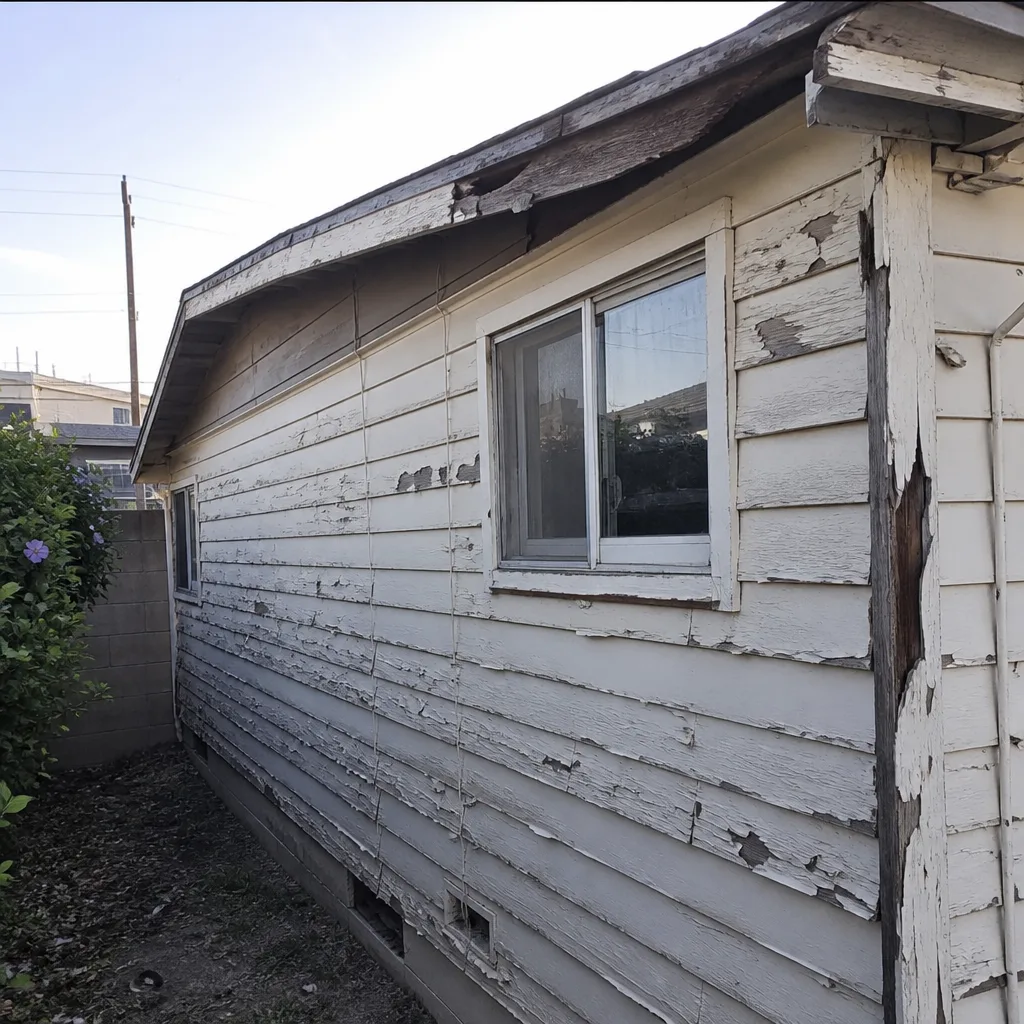 Before
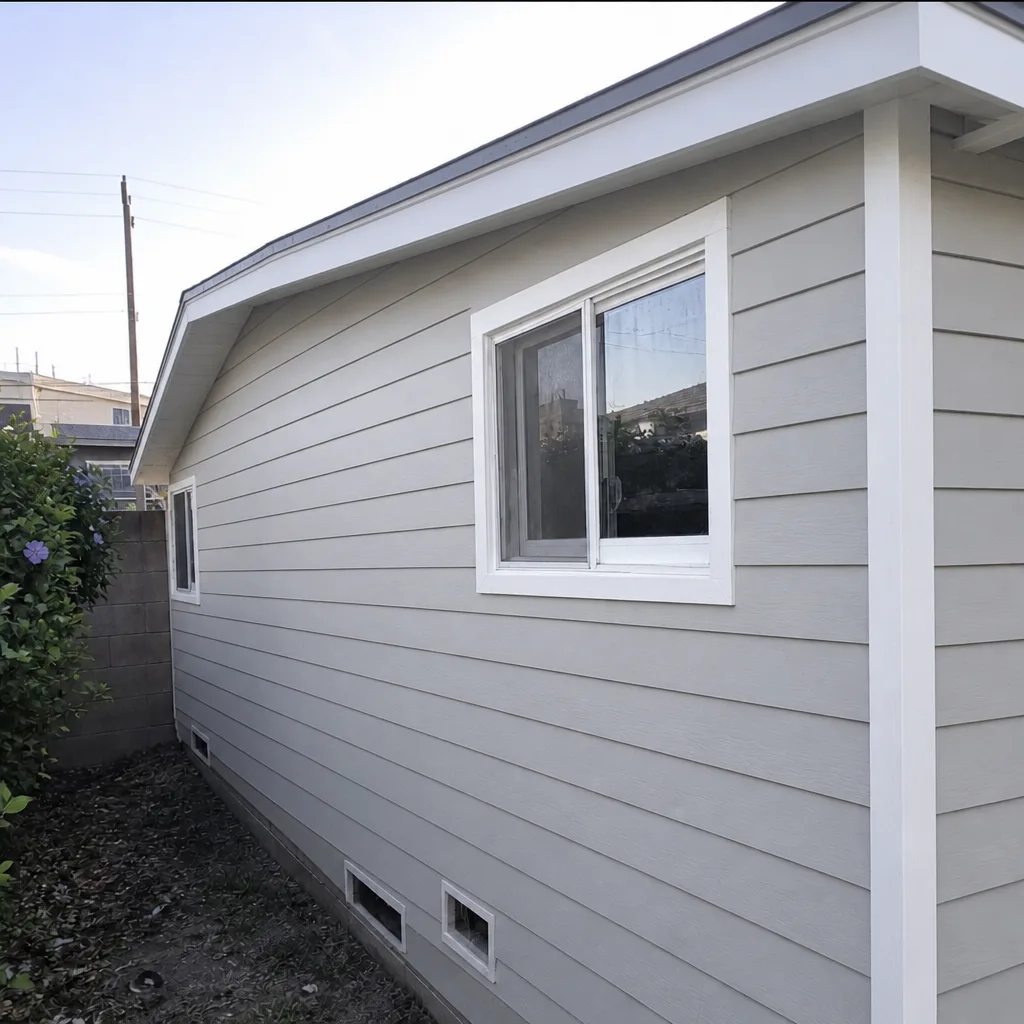 After
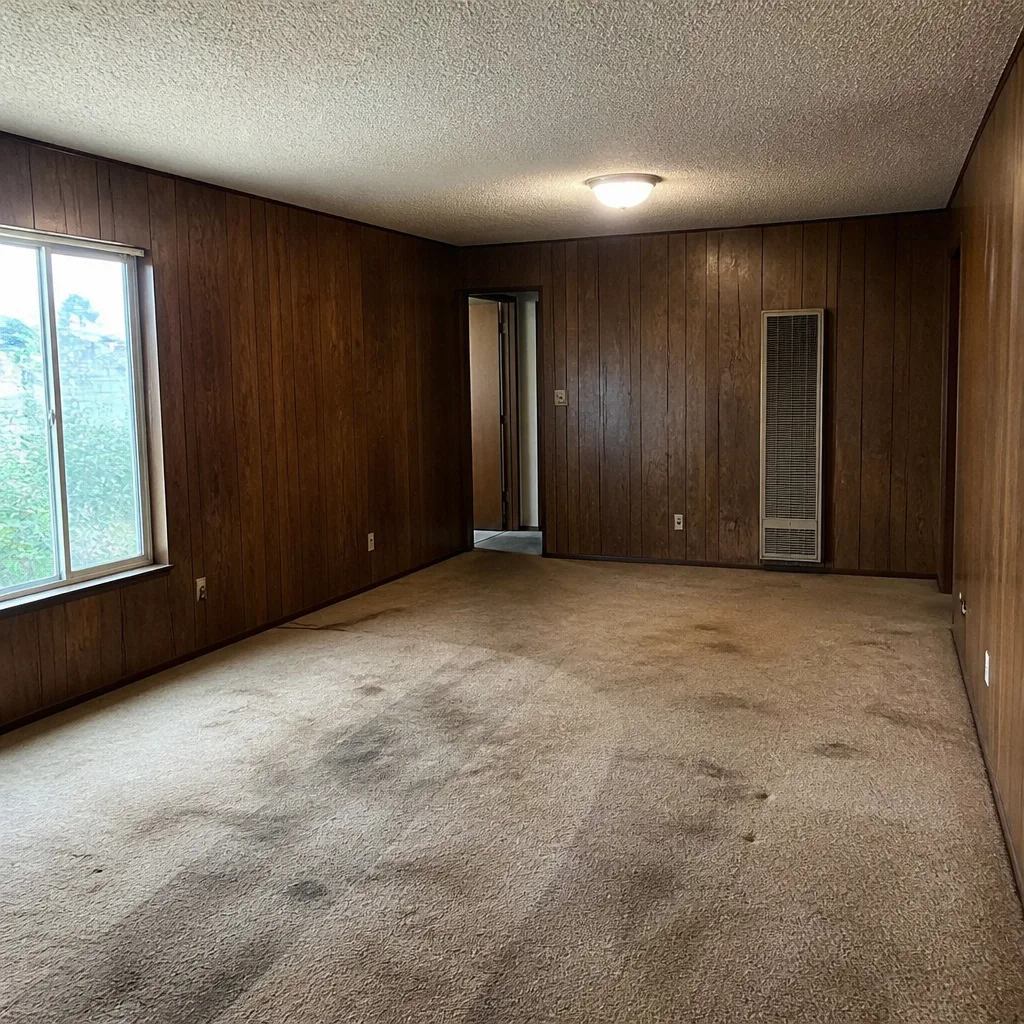 Before
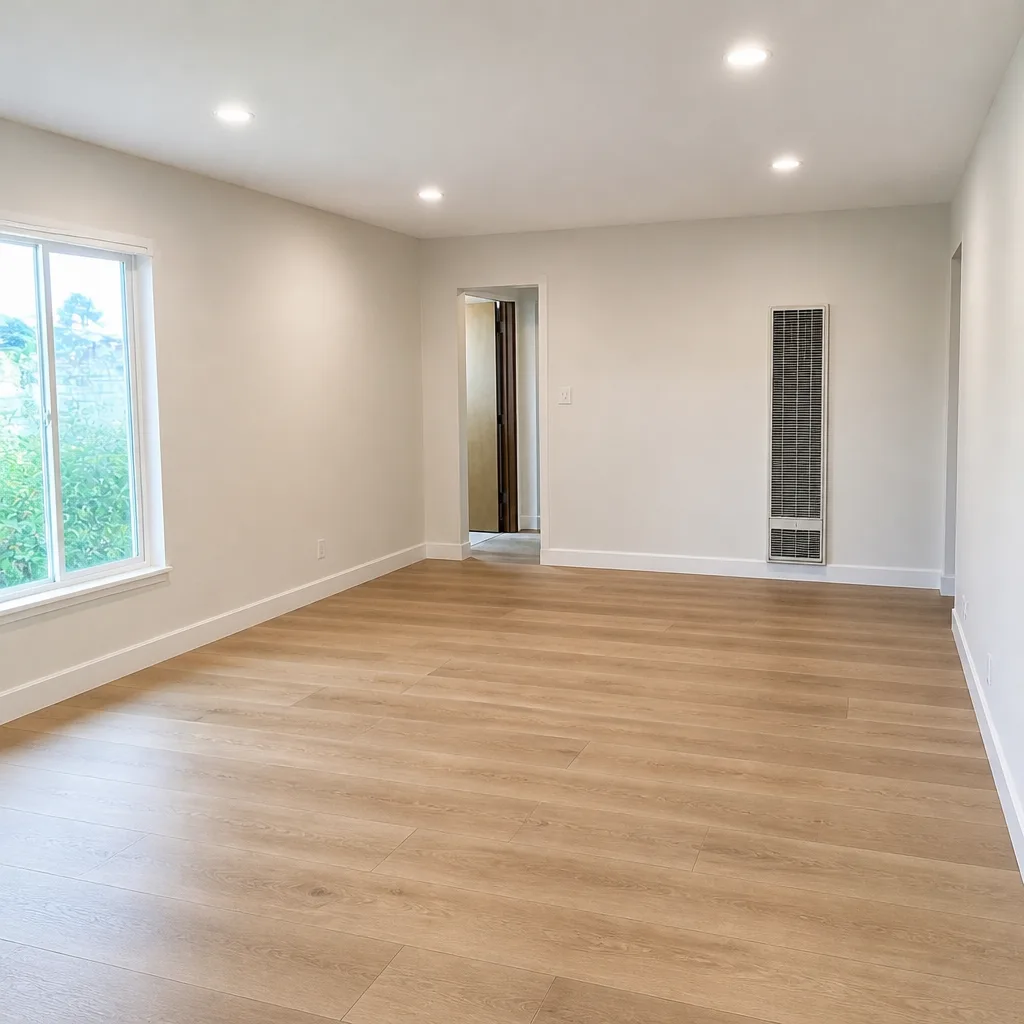 After
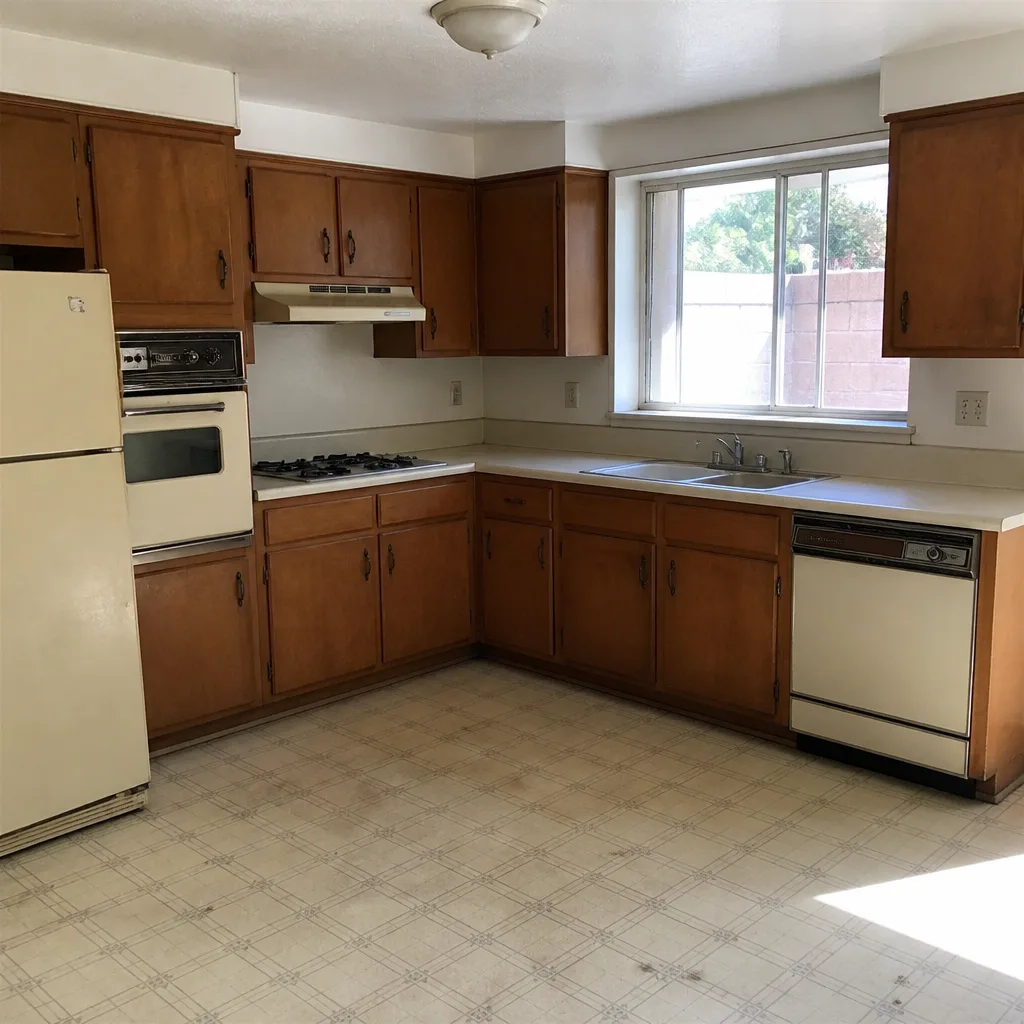 Before
 After
When to Call a Professional
Some projects genuinely need a licensed contractor from day one, and Buena Park homeowners who recognize that early save themselves months of stress. See Seasonal Construction Care for Buena Park: Year-Round Homeowner’s Guide for timing considerations. Any structural change, any electrical or plumbing modification, any project touching multiple systems of the home, and any exterior replacement that affects building envelope integrity all fall in this category. If your project spans more than one trade, you need a single point of accountability, not a phone list of specialty contractors. You need one contract that covers the work end to end, and one person who owns the outcome. Key Step Construction offers free estimates in Buena Park. Call (855) 382-0824 to schedule yours.
Frequently Asked Questions
Ask for their CSLB license number and then verify the license history, bond status, and workers’ comp certificate yourself. Ask for a detailed scope of work in writing, their payment schedule structure, the names of their long-term subcontractor relationships, and three references you can call by phone. A contractor who answers all of those questions directly is one worth considering.
California law caps the down payment for a home improvement contract at 10% of the total project price or $1,000, whichever is less. Any request above that amount before work begins is a red flag and a violation of state law. Call (855) 382-0824 if you want to talk through a contract you’ve been handed.
Go to the CSLB website and search the contractor’s name or license number. Check the license status, classification, bond amount, workers’ compensation certificate, and the license history for any disciplinary actions or complaints that resulted in action. The history, not just the status, is where problems show up.
Timelines depend entirely on scope. A bathroom refresh might run four to six weeks. A full kitchen gut with structural changes typically runs eight to twelve weeks. An addition or ADU project can run four to eight months including permitting. The contract should include a timeline with milestones, and each milestone should tie to a payment.
For any project touching more than one trade, hire a general contractor. The general contractor’s fee buys you coordination, scheduling, material procurement, and a single point of accountability. Managing individual trades yourself is a second job, and when something goes wrong between trades, every sub will point at every other sub. For full-scope work spanning interior and exterior systems, a home remodeling general contractor is the sensible path.
Most structural, electrical, plumbing, and mechanical work in Buena Park requires a permit from the city. The contractor should pull the permits under their license number and schedule all inspections. Skipping permits saves a little money now and creates real problems at resale or if an insurance claim is filed later. Any contractor who suggests skipping permits is not protecting you.
The Bottom Line
Hiring a construction contractor in Buena Park is a process of structuring the relationship before work begins, not just picking a name from a list. Verify the license history beyond the lookup tool. Demand a scope of work that names materials by brand and model. Cap your deposit at the legal limit and tie every progress payment to a completed milestone. Ask references what went wrong and how it was handled. The contractor who welcomes all of that documentation is the contractor who’ll handle your home renovation project the way you’d want it handled: planned, documented, and built to the brand’s spec. If you’re considering a project and want to talk through the process, call (855) 382-0824 for a free estimate.
Written by the team at Key Step Construction, serving Buena Park since 2017.