
Last updated November 1, 2026
 Home additions & ADU
 Kitchen remodeling
 Bathroom remodeling
 Roofing
 Windows & doors
 Driveway & pavers
 Fence
Free written scope consultation - allowances, timeline, and change-order rules on paper before a single trade is scheduled
General Contractor Maintenance Checklist for Buena Park Homeowners
A cracked roof tile in Buena Park costs under $50 to reseat. Miss that same crack through two wet seasons and you’ve set a chain reaction in motion: water reaches the sheathing, the sheathing rots, fascia board follows, and interior drywall stains appear inside the house. That sequence crosses four trades and lands between $8,000 and $15,000 on Southern California repair invoices. We’ve seen it happen on quiet cul-de-sacs off La Palma Avenue and in newer tracts near Knott Avenue. This guide is built from our General Contractor services side of the clipboard: the specific conditions that quietly escalate, the order in which you should inspect your home, and which tasks belong on your own Saturday list versus which ones need a licensed professional from the start.
Styles & brands we work with
- Kitchen remodeling
- Bathroom remodeling
- Home additions & ADU
- Roofing
- Windows & doors
- Driveway & pavers
- Fence
Quick Answer
Buena Park homeowners need a seasonal home maintenance routine built around the city’s actual conditions: Santa Ana wind cycles from September through January, a mild but real wet season from November through March, and summer heat that bakes exterior sealants and caulking. The highest-value tasks are roof and flashing inspections before the first rain, drainage and grading checks after the first heavy downpour, and sealant reapplication on windows, doors, and expansion joints every 18 to 24 months. If you catch these items early, most fixes cost a few hundred dollars. For more guides & resources, see our blog. If you defer them, they reliably become multi-trade projects costing ten times that.
Table of Contents
- Why Sequence Matters: The Cascade Failure Concept
- Buena Park’s Three Seasonal Triggers and What They Do to a House
- What a General Contractor Actually Looks At (That Homeowners Miss)
- The Six-Zone Maintenance Checklist, In Order
- What You Can Do Yourself Versus What Needs a Licensed Trade
- How to Document Maintenance History So Future Bids Come In Accurate
- Common Mistakes to Avoid
- When to Call a Professional
- Frequently Asked Questions
- The Bottom Line
Why Sequence Matters: The Cascade Failure Concept
Most online maintenance checklists read like a randomized grocery list: check the water heater, clean the gutters, test the smoke detectors, look at the roof. But homes don’t fail randomly. They fail in sequence. A general contractor thinks about maintenance the way a mechanic thinks about a drivetrain: each system connects to the next, and load transfers forward until something breaks.
Here’s the cascade, using the most common Buena Park example. A roof edge flashing lifts slightly during a Santa Ana event. Rainwater, driven sideways by wind, finds the gap. It wets the fascia. The fascia stays damp, which invites wood rot. The rot spreads to the rafter tails. Drywall inside the home near the ceiling edge absorbs the moisture. Now the repair scope includes the roofer, the carpenter, the drywall specialist, and the painter. The original flashing repair was a $300 call. The full cascade reaches four figures or more, depending on how far the rot traveled.
We see the same pattern with drainage. A downspout discharges three feet from the foundation but the soil around the slab has settled and now slopes toward the house. Water pools at the stem wall during wet months. Hairline cracks in the slab absorb moisture. Over several seasons, you’ve got efflorescence on the garage floor, musty air in the crawlspace, and potentially cracked stucco where the foundation shifted. The fix at the start was a $12 splash block and twenty minutes of regrading. The fix at year five is a foundation inspection and structural evaluation.
Understanding sequence changes how you schedule maintenance. You don’t check things randomly. You work from the outside in and from the top down: roof first, then drainage and grading, then the building envelope, then interior systems. Each check protects the one below it. That’s the same order a general contractor in Buena Park follows during a walkthrough, and it’s the framework for everything that follows in this guide.
Buena Park’s Three Seasonal Triggers and What They Do to a House
Buena Park sits about ten miles inland from the Pacific. That means milder coastal temperatures than Anaheim Hills, but stronger wind exposure through the Santa Ana corridor, and enough summer heat to punish any material that expands and contracts. City-specific maintenance is not a luxury. It’s dictated by three forces that repeat every year.
Santa Ana winds: September through January. These are dry, sustained winds that regularly hit 40 to 60 mph in Buena Park, with higher gusts along open stretches near the 91 and 5 freeways. Santa Ana winds do two things to a house. They lift loose roofing materials, and they dry out anything organic. A shingle that was marginally seated in August can lift in October. A fence post that was fine last spring can crack as the soil dries and shrinks. The maintenance trigger here is simple: inspect the roof, fence lines, and any exterior element with an edge or a lap joint before wind season peaks. Everything that’s loose gets secured before the first strong gust.
Wet season: November through March. Buena Park’s average annual rainfall is modest, roughly 14 to 15 inches, but it arrives in concentrated bursts. The ground around most homes in the city is clay-heavy. Clay expands when wet and contracts when dry. That cycle puts pressure on slab foundations, driveways, and retaining walls. The critical maintenance window is BEFORE the first heavy rain. Clean gutters, verify downspout extensions, check that soil slopes away from the foundation, and walk the roof for missing tiles or shingles. During the wet season, watch for ponding in the yard and for water stains on stucco or interior ceilings.
Summer heat: June through September. Buena Park routinely sees interior valley heat in the 90s, with UV exposure that degrades exterior caulking, weather stripping, and painted surfaces faster than coastal cities. Caulk around windows and doors dries out, cracks, and loses its bond. Expansion joints in hardscaping and concrete widen. The maintenance trigger: inspect sealants every spring, and plan to reapply caulk every 18 to 24 months. A tube of quality exterior caulk costs under $15. The window frame rot that follows sealant failure costs several hundred dollars minimum.
Key Takeaways: Seasonal Triggers
- Santa Ana winds (Sept – Jan): secure loose roofing, fencing, and lap joints before peak gusts.
- Wet season (Nov – Mar): clean gutters and verify drainage before the first storm, then monitor for ponding.
- Summer heat (Jun – Sep): expect sealant and caulking degradation; plan to reseal every 18 – 24 months.
- Each season’s neglect feeds the next: lifted shingles become leaks in winter; cracked caulk becomes rot by the following spring.
What a General Contractor Actually Looks At (That Homeowners Miss)
Here’s a truth most checklist articles won’t tell you. Homeowners inspect what’s visible. A general contractor inspects what’s hidden. When we walk a property in Buena Park, we’re not just looking at the roof from the street. We’re checking the things that indicate whether a system is failing quietly.
Flashing laps. Flashing is the metal or membrane material that directs water away from intersections: roof valleys, chimney bases, vent pipes, skylights, and wall-to-roof transitions. It’s installed in layers called laps. The upper layer must overlap the lower layer so water flows over the seam, not into it. A reversed lap is a manufacturing defect that leaks from day one. A lifted lap from wind is a slow leak that often doesn’t show inside for months. When we look at a roof, the first thing we check is whether the flashing laps are still flat and properly oriented.
Expansion joint gaps. Concrete and stucco expand and contract with temperature changes. Expansion joints exist to absorb that movement. When the gap is too wide, water enters. When the gap closes completely, the material has no room to move and it cracks somewhere else. On a Buena Park summer afternoon, a driveway slab can move enough to visibly widen a joint by the next morning. We measure gaps and sealant condition, because a failed expansion joint explains a cracked driveway or a water intrusion at the stem wall.
Subpanel breaker condition. Most homeowners open their electrical panel only when a breaker trips. An electrician checks the panel for heat damage, double-tapped breakers, aluminum wiring on devices not rated for it, and corrosion from moisture. In older Buena Park homes built in the 1950s and 1960s, we commonly see panels that were adequate for original electrical loads but are now overloaded by air conditioning, EV chargers, and modern kitchens. A warm breaker or a faint burning smell is never normal.
Crawlspace moisture and ventilation. Buena Park’s clay soil holds moisture. If your home has a raised foundation with a crawlspace, that space needs ventilation and a vapor barrier in good condition. We look for dark staining on floor joists, condensation on ductwork, and standing water at the low point. Crawlspace moisture explains musty air in the house, warped hardwood floors, and mold on the back side of drywall. It’s one of the least-visited areas of a home and one of the most expensive to ignore.
Interior wall cracks versus structural cracks. Hairline cracks in drywall joints are common and usually cosmetic. But a diagonal crack from a door corner, especially if it’s wider at the top, suggests movement. A stair-step crack in stucco or brick follows the mortar lines and often points to differential settlement. In clay-heavy soil like Buena Park’s, settlement is the leading cause of these patterns. We note the location, width, and direction of every crack during a walkthrough, because tracking changes over six months tells us whether the movement is ongoing or stabilized.
The Six-Zone Maintenance Checklist, In Order
This is the checklist itself, organized the way a contractor works: top down, outside in. If you do nothing else this year, complete Zone 1 and Zone 2 before the first rain. Those two zones prevent the majority of expensive repairs.
Zone 1: Roof and Flashing
- Walk the roof or use binoculars from the ground to scan every slope.
- Look for cracked, loose, or missing tiles or shingles, especially near edges and valleys.
- Check all flashing laps at chimneys, skylights, vent pipes, and wall intersections. Flashing should be flat and overlapping correctly.
- Inspect roof penetrations: any pipe, antenna, or satellite mount needs sealant intact around its base.
- Check the underside of the roof from the attic if accessible. Look for daylight coming through the decking, dark water stains, or sagging sheathing.
- Clear all debris from valleys and behind chimneys. Wind-blown leaves trap moisture against the roof surface.
Frequency: every spring and fall, plus after any Santa Ana event with gusts above 50 mph.
Zone 2: Gutters, Downspouts, and Grading
- Remove all debris from gutters. In Buena Park, eucalyptus and pepper trees drop leaves through late fall.
- Verify that downspouts extend at least three feet from the foundation, preferably more.
- Check that soil slopes away from the foundation on all sides. A six-foot tape measure and a level will tell you if the grade is going the wrong way.
- Look for pooling water anywhere in the yard after a rain. Ponding within ten feet of the house is a drainage problem, not a cosmetic one.
- Inspect the foundation perimeter for gaps between soil and concrete. In clay-heavy seasons, soil pulls away from the slab and then swells back. That cycle damages stem walls.
Frequency: clean gutters twice a year minimum, and check grading after the first major rain of the season.
Zone 3: Building Envelope: Windows, Doors, Siding, Stucco
- Inspect caulking around every window and door frame. Look for cracks, gaps, or areas where the caulk pulled away from the surface.
- Check weather stripping on all exterior doors. Close the door and look for daylight around the edges.
- Walk the perimeter and inspect stucco for hairline cracks, stair-step cracks, and spots where the stucco sounds hollow when tapped.
- Check siding for warped, cracked, or loose boards. If your home has James Hardie fiber cement, pay attention to the joints between boards and the flashing at penetrations.
- Test all windows: open, close, and lock. A window that binds or won’t lock may indicate frame movement or failed springs.
Frequency: every spring. Sealant replacement is a 18 to 24 month cycle, regardless of how the old caulk looks.
Zone 4: Electrical and Plumbing Systems
- Open your electrical panel. Look for any breaker that feels warm to the touch, any evidence of scorching, or any breaker that’s been reset multiple times.
- Check GFCI outlets in the kitchen, bathrooms, garage, and exterior by pressing the test and reset buttons.
- Inspect exposed plumbing under every sink. Look for corrosion on supply lines, slow drips, and water staining on the cabinet floor.
- Flush every toilet and check the base for moisture. A rocking toilet or one with a cracked wax ring releases water into the subfloor with every flush.
- Check water pressure at one fixture. If pressure changed noticeably, there may be a leak somewhere in the line or a failing pressure regulator.
- Test the water heater: look for corrosion at the fittings, check the temperature setting (120°F is recommended), and note the unit’s age.
Frequency: quarterly for a visual check. Any sign of moisture, heat, or burning smell means an immediate call to a licensed professional.
Zone 5: Hardscaping, Fencing, and Exterior Structures
- Inspect all concrete for new cracks, especially along control joints and expansion joints. Measure any crack wider than 1/8 inch and track it over time.
- Check paver patios and walkways for settling or heaving. A paver that sits proud of its neighbors is a trip hazard and a sign of base failure.
- Walk every fence post. Push on each post laterally. A post that moves more than an inch has compromised footing and will fail during the next wind event.
- Inspect wood fencing for rot at the base where posts and boards contact soil. Check metal fencing for rust at welds and hinges.
- Clean and reseal pavers and hardscaping per manufacturer recommendations. Products from Belgard, Unilock, and Techo-Bloc each carry specific sealing guidance that preserves the product warranty.
Frequency: fall, before Santa Ana season. Fence failures in Buena Park peak between October and January.
Zone 6: Interior: Attic, Crawlspace, and Livable Space
- Enter the attic and check the insulation for compression, moisture, and rodent activity. Look for any vent that’s blocked.
- Inspect the crawlspace if your home has one. Look for standing water, condensation on ductwork, and loose or damaged vapor barrier.
- Check interior walls and ceilings in every room for new cracks, staining, or bubbling paint. Note anything you find with a date and location.
- Test every interior door: open and close it. A door that suddenly sticks or swings on its own indicates the frame moved, which may mean settlement.
- Run every faucet, flush every toilet. A long-unused guest bathroom will often show problems when it’s finally used after months.
Frequency: twice a year. Early winter and early summer align with the two biggest seasonal forces on a Buena Park house.
What You Can Do Yourself Versus What Needs a Licensed Trade
There’s a persistent idea that home maintenance is all DIY. It isn’t. Some tasks are simple, safe, and reasonable for a homeowner. Others require a licensed professional, not because the task is complicated but because the failure mode of a mistake is severe and because the work must meet code to be insurable.
Homeowner-appropriate tasks:
- Cleaning gutters and verifying downspout extensions, provided you use a sturdy ladder with a spotter and never work from the roof surface itself.
- Replacing caulk around windows and doors where the old caulk is accessible from the ground or a short stepladder.
- Testing GFCI outlets, checking smoke detectors, and swapping air filters.
- Clearing debris from the roof perimeter using a standoff ladder, without walking on the roof if the pitch exceeds a 4:12 slope.
- Inspecting for visual signs of problems: water stains, cracks, corrosion, and pest activity. You don’t need a license to look.
- Pushing on fence posts to check movement. This is a test, not a repair.
Tasks that require a licensed professional, without exception:
- Any electrical work beyond flipping a breaker. Even replacing an outlet in a home with older wiring can introduce hazards. Aluminum wiring, common in some Buena Park homes, requires specific connectors and techniques.
- Any plumbing work inside the wall or floor. A slow leak you can see under the sink is a DIY replacement. A leak you can’t see, or one that requires cutting into drywall, is a licensed plumber’s job.
- Roof repairs beyond cleaning debris. Walking a roof safely requires training and fall protection. Repairing flashing, re-bedding tiles, or patching a leak incorrectly will make the problem worse and may void your roof warranty.
- Water heater service beyond adjusting the temperature dial. Gas lines, venting, and pressure relief valves are life-safety systems.
- Any structural assessment. If you see a stair-step crack or a widening gap, call a professional. The diagnosis affects the structural integrity of your home.
We often get called out after a well-intentioned homeowner attempted a repair that went wrong. The most common example is a DIY flashing patch with roofing cement. It holds for a season, hides the leak, and then fails catastrophically during a heavy rain because the underlying flashing lap was never corrected. The lesson: if the correct repair requires skills you don’t have, the cheapest path is hiring the right trade the first time. It’s the same logic that drives the home remodeling projects we manage: correct sequencing and licensed work prevent expensive rework.
How to Document Maintenance History So Future Bids Come In Accurate
When a homeowner calls us for a home renovation in Buena Park and can’t tell us what’s been done to the house, we have to assume the worst. That assumption gets priced into the bid as contingency. If we don’t know when the roof was last replaced, we plan for the possibility that it needs replacement now. If we don’t know whether the electrical panel was upgraded, we include time for a full evaluation. The contractor’s uncertainty becomes your higher bid. Documentation eliminates that.
Here’s a practical documentation system that takes minutes per year and saves thousands at bid time.
- Create a folder or digital file called “Home Systems Log.” Include the year the home was built, and list every major system: roof, HVAC, water heater, electrical panel, plumbing supply lines, windows, exterior paint, hardscaping.
- Record every maintenance or repair event with date, scope, contractor name, and cost. Even small items matter. A roof repair in 2021 tells a contractor the roof is at least partially maintained. A water heater replacement in 2020 tells us the unit is four years old and likely has years of service left.
- Take photos before and after every significant repair. Photograph the roof after a repair. Photograph the panel after a breaker replacement. Photos show a future contractor exactly what was done and how it looked.
- Keep all permits and inspection records. If you pulled a permit for a water heater or panel replacement, that’s proof the work met code. It removes doubt from the equation.
- Note the brand and model of major fixtures. Your plumber cares whether the fixtures are Moen, Delta, or American Standard, because replacement parts differ. Your contractor cares whether the countertops are Cambria or Silestone, because fabrication and repair processes differ. A simple line in your log solves this.
- Record seasonal observations. Note the month you first saw a crack, whether it grew over three months, and what the weather was like. Context turns a complaint into a diagnosis.
When you hand a contractor a documented history, the bid changes. Instead of pricing for unknowns, we price for what’s actually there. That’s the difference between a bid padded with contingency and a bid that reflects reality.
Common Mistakes to Avoid
- Checking the roof only after a leak appears. By the time water shows up inside the house, the roof has been failing for months. Spring and fall inspections are preventive; winter emergency calls are reactive and always more expensive.
- Caulking over old caulk. New caulk doesn’t bond well to old, failed caulk. The correct sequence is removing the old bead, cleaning the joint, and applying fresh sealant. Skipping the removal step means the “repair” fails within a year.
- Ignoring the downspout that pours onto the driveway. Water that flows across concrete and pools at the garage door is doing foundation damage you can’t see yet. Redirect it with an extension, and check the stem wall for cracks twice a year.
- Treating a warm breaker as a quirk. A breaker that feels warm to the touch is carrying current in a way that’s not normal. It might be an overloaded circuit, a loose connection, or a failing breaker. All three are fire hazards.
- Deferring a small roof repair because it hasn’t rained yet. The best time for a roof repair in Buena Park is the dry season from April through October. Waiting for rain to confirm the leak means the repair happens under worse conditions at a higher cost.
- Assuming a new home doesn’t need maintenance. Even a five-year-old home has had five years of thermal cycles, wind load, and soil movement. New homes settle, caulking separates, and grading shifts. The maintenance schedule starts on day one.
- Replacing a fixture without checking the rough-in compatibility. A Kohler faucet doesn’t always fit the rough-in from an American Standard original. Verify specifications before buying, or you’ll be cutting drywall to make it work.
When to Call a Professional
There are moments where the correct action is a phone call, not a ladder. If you see water staining on a ceiling that was dry last week, don’t wait. If a crack in stucco or drywall is growing measurably month over month, the structure is talking to you. If your breaker panel is warm, buzzing, or smells like burnt plastic, shut down non-essential circuits and call an electrician. If your crawlspace has standing water or visible mold, the moisture problem is active and it will not resolve itself. And if a roof inspection reveals missing flashing or loose tiles and you’re not comfortable walking the roof, hire it out. Key Step Construction offers free estimates in Buena Park. Call (855) 382-0824 and we’ll walk the property with you and tell you what’s urgent, what can wait, and what it should cost.
Frequently Asked Questions
Inspect your roof twice a year, in early spring and early fall, plus after any Santa Ana event with gusts above 50 mph. The fall inspection is the critical one. It should happen before the November rains begin. A roof that’s sound in October is a roof that can handle the wet season. Call (855) 382-0824 if you’d like a professional assessment.
A visual maintenance inspection should be free or low-cost if you’re working with a contractor who sees it as a relationship-builder rather than a fee line. Some specialized inspections, like structural or electrical evaluations, carry a fee. Key Step Construction offers free maintenance walkthroughs to Buena Park homeowners. Call (855) 382-0824 to schedule one.
Drainage failure is consistently the most expensive. When water pools against the foundation, the damage unfolds slowly across multiple systems: stem wall cracks, crawlspace mold, flooring damage, and drywall staining. By the time it’s visible, the repair scope often includes a re-grade, foundation work, and interior remediation. The original fix was a downspout extension.
Caulking around windows and doors is a homeowner-appropriate task if the areas are accessible from the ground or a short stepladder and you remove the old caulk fully before applying new. For upper-story windows, or if the joint shows signs of underlying water damage, have a professional assess it first.
Buena Park sits on clay-rich soil that expands when wet and contracts when dry. Over multiple seasons, that cycle creates pressure against slab foundations and stem walls, which shows up as hairline cracks, sticky doors, and uneven flooring. The mitigation is grading maintenance and consistent moisture control during dry months.
Record the date, the scope of work, the contractor name, the cost, and the brand and model of any fixture or material involved. Photos before and after are the single most useful addition. This documentation directly reduces the contingency in future contractor bids, because it removes unknowns.
The Bottom Line
Buena Park homes don’t fail suddenly. They fail on a schedule set by Santa Ana winds, wet winters, and clay soil, and the damage follows a predictable sequence. A homeowner who works the six zones in order, who knows which tasks are DIY and which need a license, and who documents every repair will spend a few hundred dollars a year on prevention instead of five figures on remediation. If you’re unsure where your house stands, or if you found something during the checklist that concerns you, that’s the moment to make the call. Key Step Construction home is in Buena Park, and we walk through this checklist with homeowners every week. Call (855) 382-0824 for a free estimate, and start with the roof before the first rain.
Written by the team at Key Step Construction, serving Buena Park since 2017.
See the difference
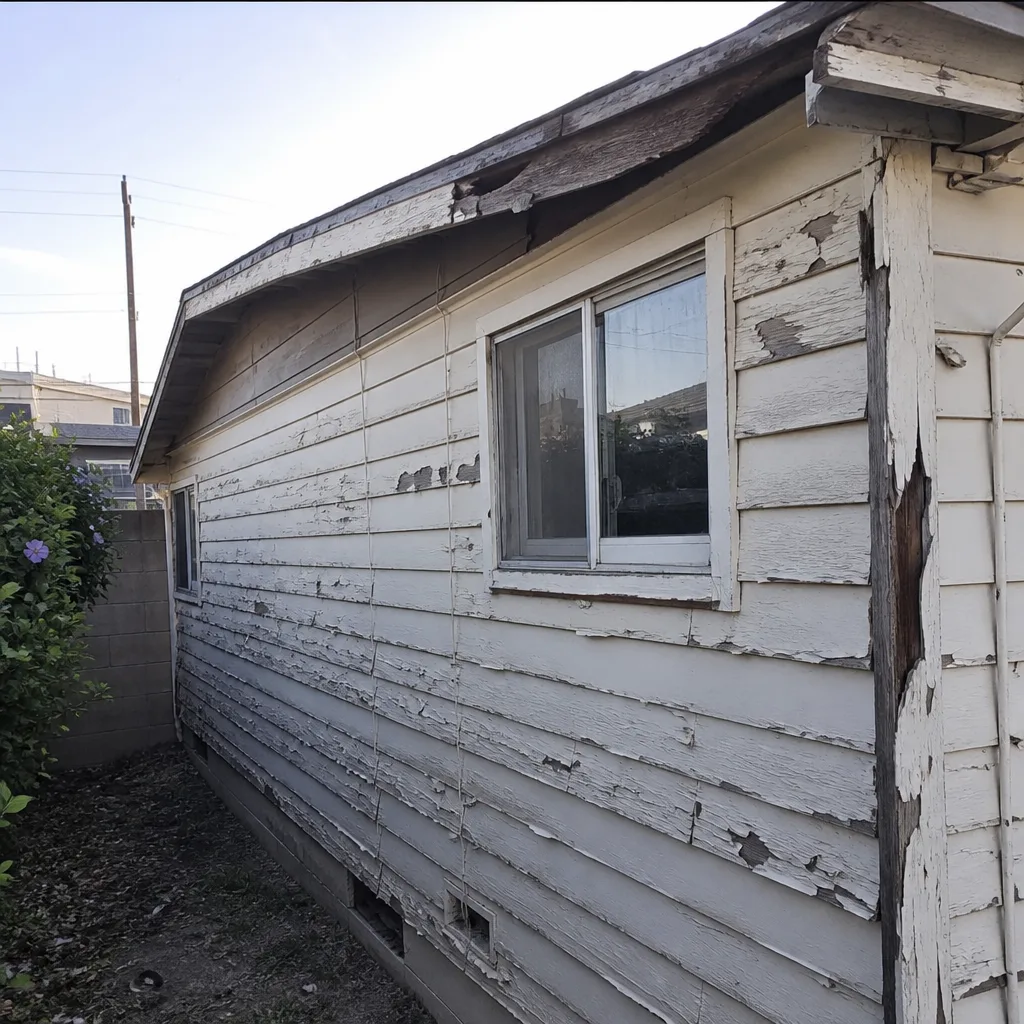 Before
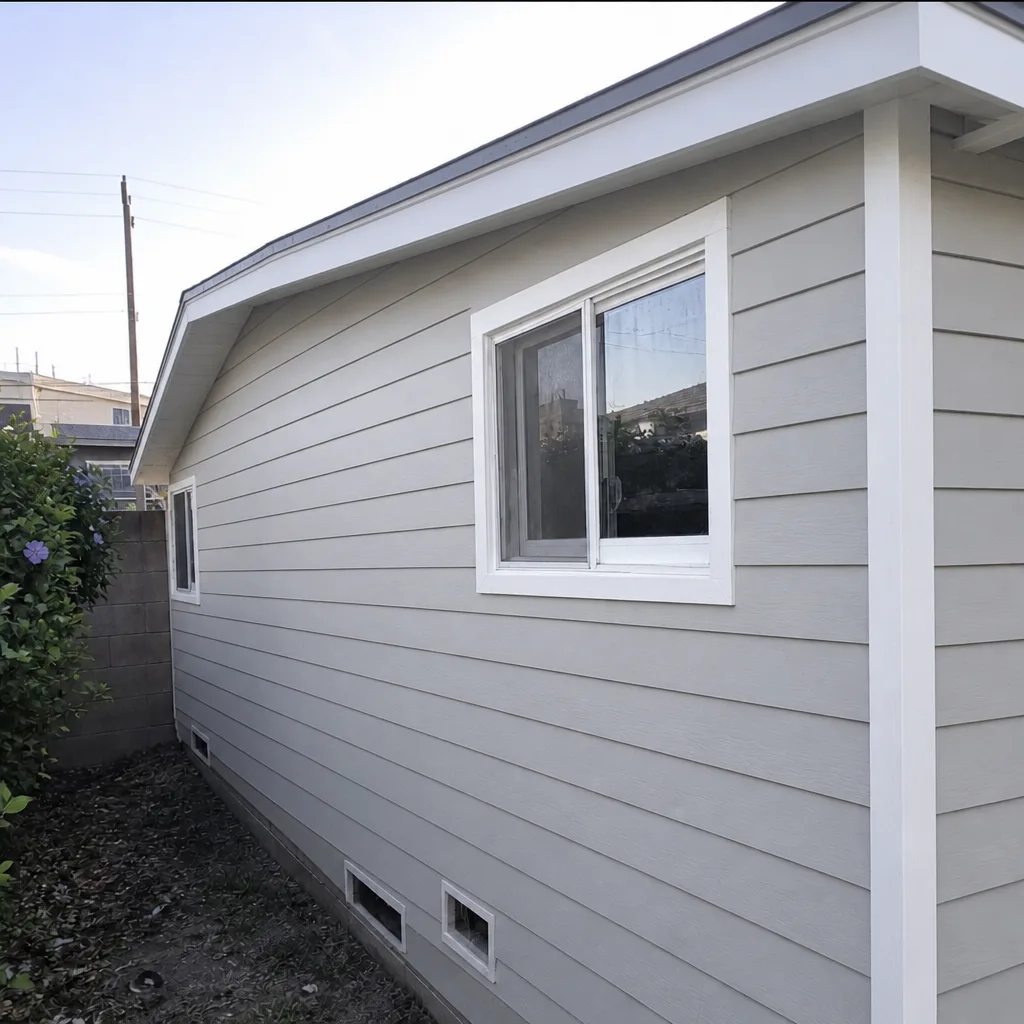 After
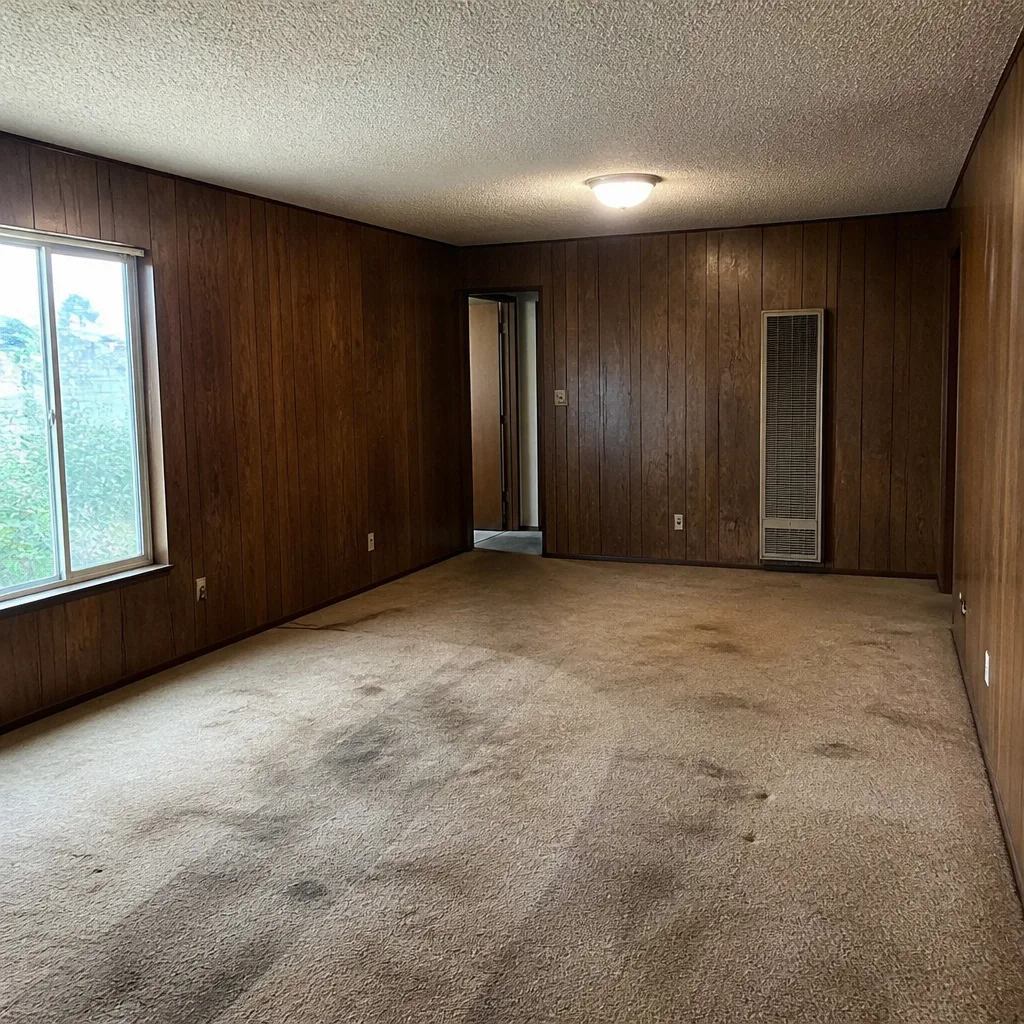 Before
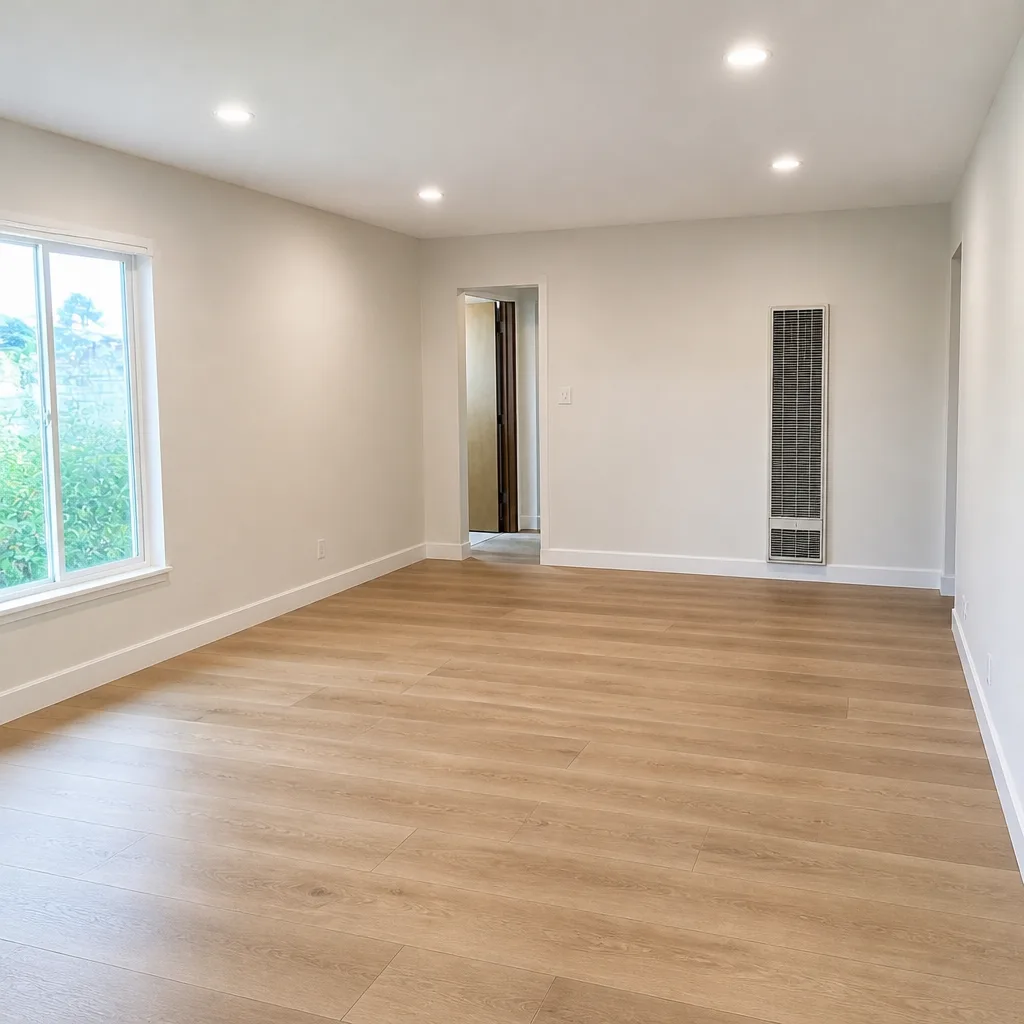 After
 Before
 After