
Last updated November 1, 2026
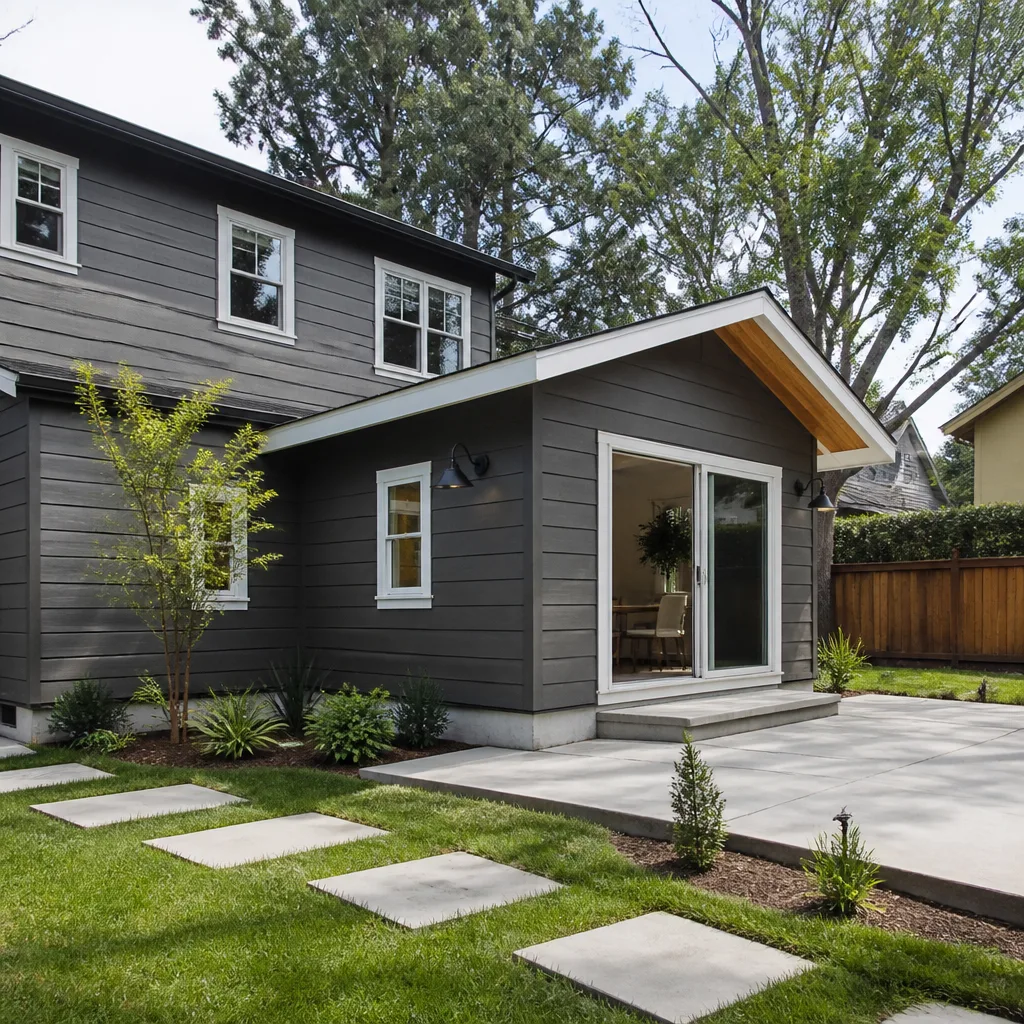 Home additions & ADU
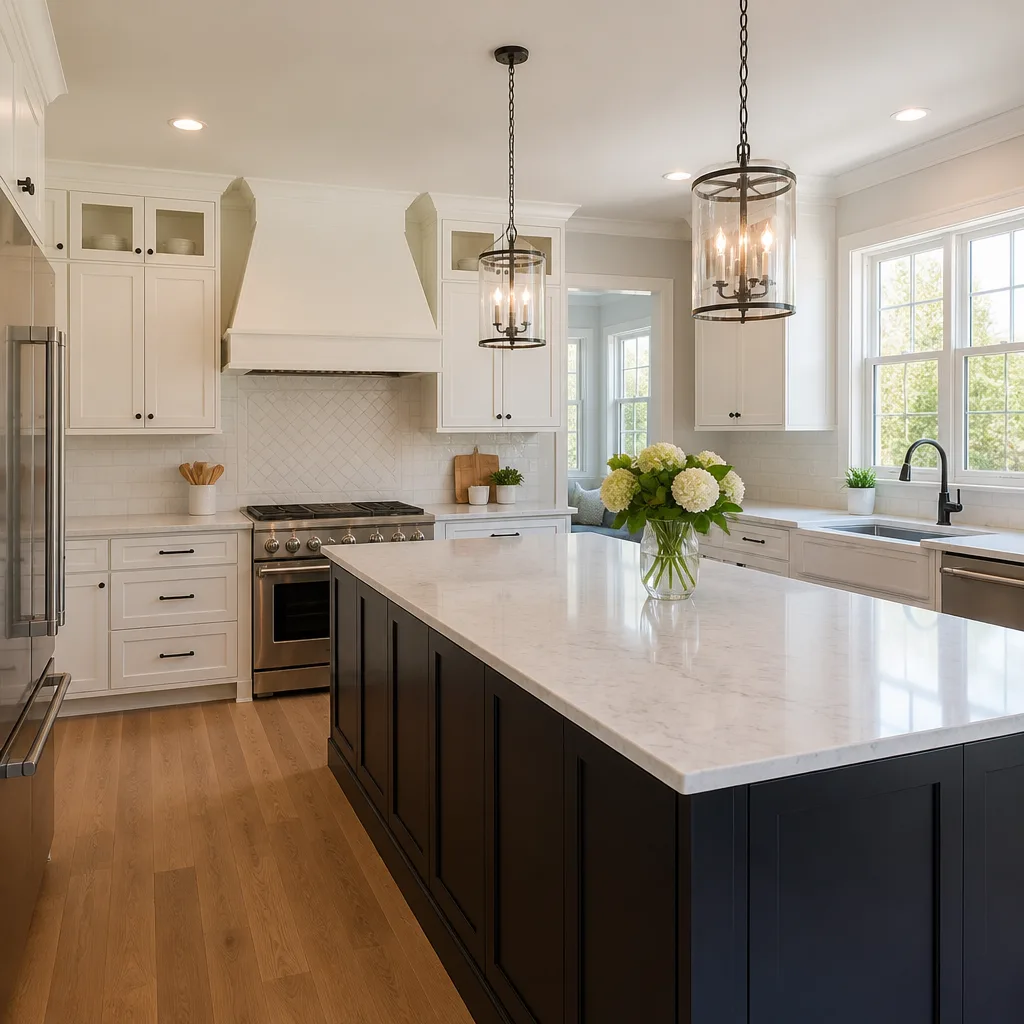 Kitchen remodeling
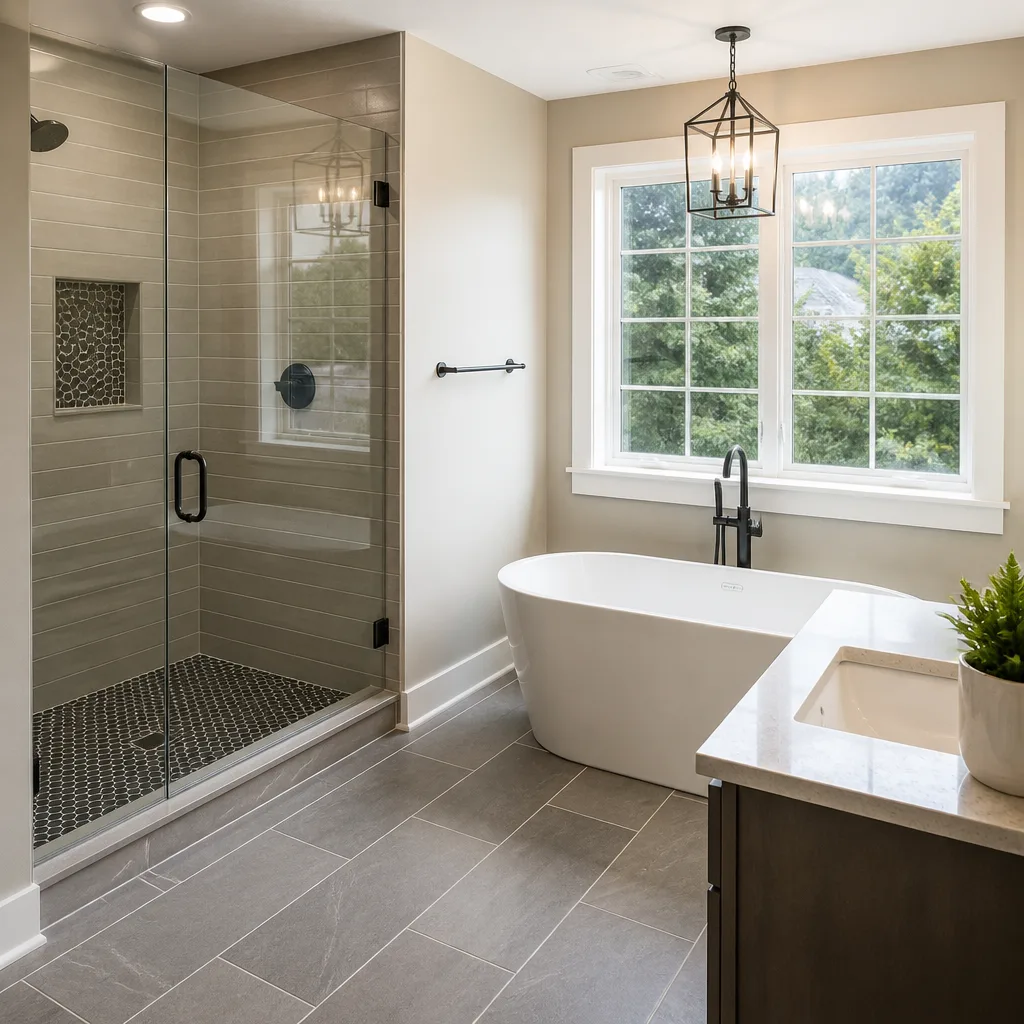 Bathroom remodeling
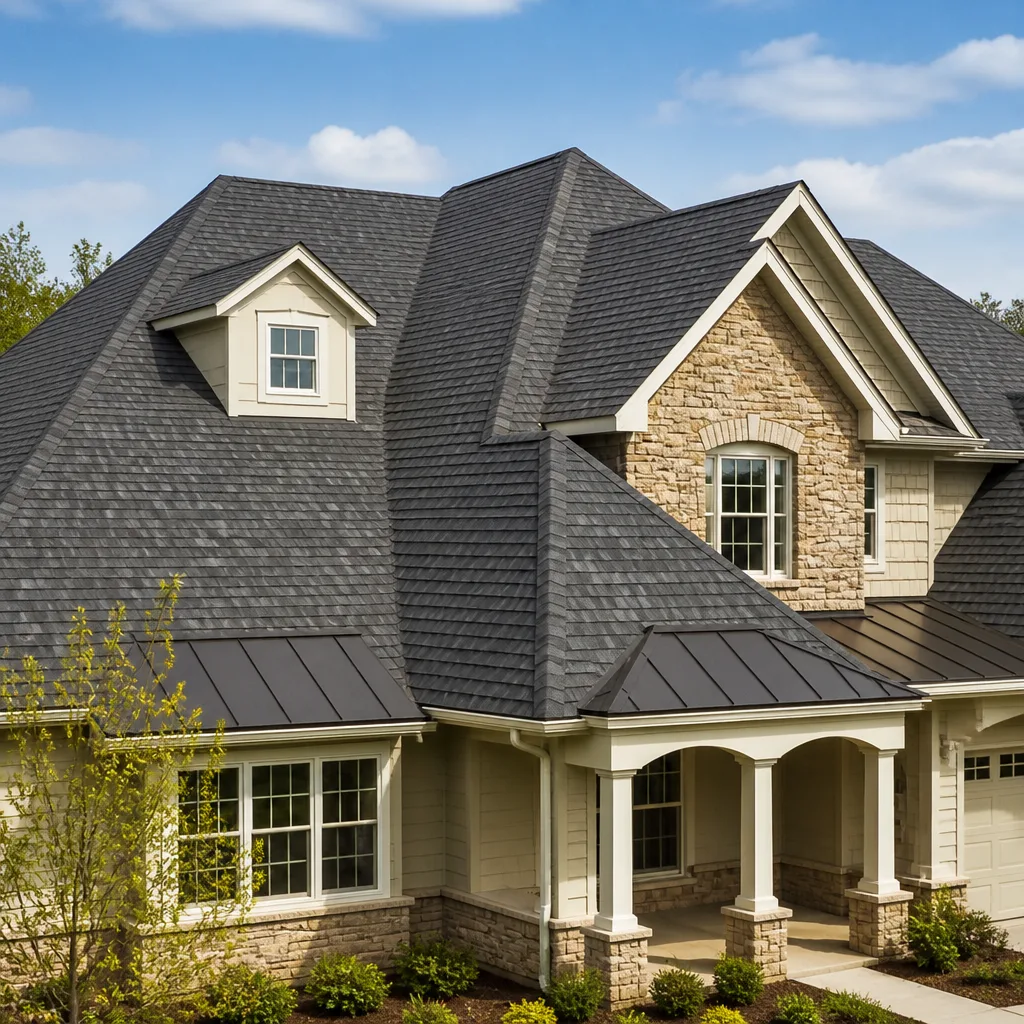 Roofing
 Windows & doors
 Driveway & pavers
 Fence
Free written scope consultation - allowances, timeline, and change-order rules on paper before a single trade is scheduled
DIY vs Professional Construction: The Buena Park Homeowner’s Decision Guide
Here’s a number that should make every Buena Park homeowner pause: roughly 30% of the work performed by professional remodelers in Southern California involves fixing or finishing a DIY project that went sideways. The problem isn’t that homeowners lack intelligence or ambition. It’s that YouTube has a survivorship bias problem. The videos that go viral are the ones that worked. The homeowner who improperly installed a bathroom exhaust fan and created a moisture problem in their attic framing didn’t make a video about it. But their contractor eventually found it, and it wasn’t cheap. This guide draws a clear line between the projects you can absorb as a learning experience and the ones that can cost you far more than hiring a professional ever would. For more guidance, explore our more guides & resources.
Quick Answer
DIY makes sense in Buena Park for cosmetic, low-risk, and fully reversible projects like painting, trim work, and basic fixture swaps. It becomes a serious liability when the work touches structural systems, waterproofing, electrical, gas, or anything governed by California building code. The right frame isn’t “can I do this” but “which risks am I actually equipped to absorb” – because code violations, insurance voidance, and structural failures aren’t risks you can un-absorb once the drywall goes up.
Styles & brands we work with
- Kitchen remodeling
- Bathroom remodeling
- Home additions & ADU
- Roofing
- Windows & doors
- Driveway & pavers
- Fence
Table of Contents
- The California Legal Framework: Where DIY Is Actually Restricted
- Assessing Your Real Risk Tolerance (Not the Version You Want to Be True)
- The Hidden Costs of DIY That Make the Math Closer Than It Looks
- DIY-Reasonable vs. Never-DIY: The Project Categories That Matter
- Using a General Contractor as a Partial Resource While You Self-Perform
- Buena Park Specifics: Climate, Code, and the 1960s Housing Stock
- Common Mistakes to Avoid
- When to Call a Professional
The California Legal Framework: Where DIY Is Actually Restricted
California doesn’t leave the DIY-versus-hire decision entirely up to you. State law draws hard lines around which scopes require a licensed contractor, and the thresholds matter more than most Buena Park homeowners realize.
Under California Business and Professions Code §7048, a homeowner can act as their own contractor when building or improving a structure they occupy or intend to occupy. That’s the legal loophole that makes owner-builder projects possible. What the statute doesn’t do is exempt you from the consequences of the work. If you self-perform an electrical upgrade and the work doesn’t meet code, the liability is yours. If you sell the home and the buyer discovers unpermitted work, you’re the one in breach of disclosure requirements.
More importantly, certain scopes are restricted even for owner-builders. Any work involving sewer line connections, gas line modifications, or structural alterations to load-bearing elements requires a permit and, in most municipalities, sign-off from a licensed professional. Buena Park’s building department follows California Building Standards Code (Title 24), which is among the strictest in the nation for energy compliance and seismic reinforcement.
Then there’s the insurance question, which almost no DIY guide addresses honestly. Your homeowners insurance policy contains an implied warranty of workmanship clause in most cases. If you self-perform a bathroom remodel and a supply line fails two years later, flooding the house, your insurer can – and routinely does – deny the claim on the grounds that the damage resulted from unpermitted, non-professional work. You just converted a $5,000 savings into a $40,000 uninsured loss.
Here’s what we tell homeowners in Buena Park when they ask us where the legal line sits:
- Cosmetic finishes: painting, trim, baseboards, cabinet hardware, basic drywall patching – no permit required, no legal risk.
- Fixture replacement: swapping a faucet, replacing a light fixture (without moving the box), changing a toilet – legal as DIY, but water and electrical connections carry insurance-adjacent risk.
- Permit-required scopes: any structural modification, electrical panel work, plumbing beyond fixture replacement, window or door enlargement, roof replacement, HVAC installation – legally you must pull a permit, and pulling the permit triggers the inspection process that DIY work often fails.
- Restricted scopes: anything involving the utility connection (gas, main water, sewer lateral) or load-bearing structure – this is where unlicensed work can trigger a stop-work order and mandatory correction at your expense.
The takeaway isn’t that you can’t DIY anything in Buena Park. It’s that the projects with real consequences are the ones where the legal structure is specifically designed to push you toward a licensed professional. That’s not bureaucracy. That’s a reflection of how often unlicensed work fails.
Assessing Your Real Risk Tolerance (Not the Version You Want to Be True)
Every homeowner we meet in Buena Park starts from the same place: they’re capable, they’re motivated, and they’ve watched enough renovation content to feel confident. The honest question isn’t whether you can complete the work. It’s whether you can absorb the failure modes if the work doesn’t hold up over time.
Here’s a framework that actually holds up under scrutiny. For each project you’re considering, run it through these four filters:
- Reversibility: If you get this wrong, can you undo it without opening walls, damaging structure, or paying more than the original job would have cost? Painting a bedroom? Fully reversible. Tiling a shower without proper waterproofing? You’re demolishing the shower to fix it.
- Failure consequence: What happens in year three, not month one, if the work fails? A crooked crown molding joint is cosmetic. A failed shower pan leaks into the subfloor, rots the framing, and grows mold inside the wall cavity. The first annoys you. The second costs ten times the original project.
- Inspection exposure: Will this work ever be inspected, either by the city or by a future buyer’s inspector? Buena Park homes sell in a competitive market, and buyers increasingly bring thorough inspectors. Unpermitted work that would pass a casual glance often fails an inspector who knows what to look for.
- Hidden condition probability: In a 1960s-era Buena Park home, what are the odds that the wall, floor, or ceiling you’re opening contains something you didn’t plan for? Asbestos in the drywall compound, aluminum wiring, cast iron drain lines, non-standard stud spacing. Professionals bid for these unknowns. DIYers discover them mid-project with no plan.
In our experience, the homeowners who DIY successfully share one trait: they chose projects where the honest answers to all four questions were reassuring. The homeowners who call us after a failed DIY all made the same mistake: they answered the questions aspirationally instead of honestly, usually on the failure-consequence filter.
A Buena Park homeowner can absorb a weekend lost to a botched paint job. Nobody can comfortably absorb a failing load-bearing beam or a shower that’s been leaking into the wall for eighteen months.
The Hidden Costs of DIY That Make the Math Closer Than It Looks
The DIY pitch always starts with labor savings: “The contractor wanted $12,000. I can do it myself for $4,000 in materials.” That math is seductive and almost always incomplete. Here’s the actual accounting, based on what we see on projects throughout Orange County.
Tool acquisition: A competent kitchen remodel requires a tile saw, a miter saw, a table saw, a router, a jigsaw, multiple levels, clamps, a drill set, a demo hammer, and specialty plumbing tools. Many of these you’ll use once. Some you’ll buy cheap and regret – a $200 tile saw produces cuts that telegraph “amateur” from across the room. Tool costs for a full kitchen DIY routinely run $1,500 to $3,000 before materials.
Material waste: Professionals waste about 7-10% on tile, flooring, and trim through optimized cutting. First-time DIYers waste 15-25%. On a $4,000 tile order, that’s an extra $600 to $1,000 in material you’re paying for twice. This doesn’t happen on paper. It happens on your garage floor at 11pm.
Time cost: A professional kitchen remodel takes four to six weeks. A competent DIYer working weekends and evenings takes four to eight months, during which the kitchen is unusable. If you’re eating out during the remodel because you have no kitchen, that’s $500 to $1,000 per month in additional cost. Four months of no kitchen is a real financial line item, not abstract inconvenience.
Permit complications: If you pull a permit, the city inspects your work. If it fails inspection – and DIY electrical and plumbing work fails inspections at high rates – you’re redoing it with a stop-work order adding pressure. If you skip the permit, you’ve saved maybe $800 in fees and created a disclosure liability when you sell.
Rework after professional inspection: This is the cost nobody budgets for. A homeowner in Buena Park self-performs a bathroom remodel, then calls a professional for a final once-over before selling. The professional finds the shower wasn’t waterproofed to the manufacturer’s spec. Reworking it means demoing the shower they just built. The “saved” labor just became double labor: doing it wrong, then paying to undo it and have it done right.
None of this means DIY never works. It means the honest comparison isn’t “$12,000 vs. $4,000” – it’s “$12,000 vs. $4,000 plus tools plus waste plus time plus the probability-weighted cost of rework.” When you run that math on a kitchen or bathroom in Buena Park, the gap narrows considerably.
DIY-Reasonable vs. Never-DIY: The Project Categories That Matter
The most useful thing we can offer a Buena Park homeowner is a clear categorization system. Not vague advice like “know your limits” – specific project categories with specific reasoning.
Category 1: Safe DIY (Low Risk, Reversible, No Permit)
These projects are genuinely reasonable for a careful homeowner. The failure modes are cosmetic, the costs are contained, and the work is reversible.
- Interior painting – including ceilings, trim, and doors. The worst case is repainting.
- Cabinet hardware replacement – knobs, pulls, hinges. Zero structural risk.
- Baseboard and crown molding installation – requires a miter saw and patience; mistakes are wood down the drain, not structural failure.
- Light fixture replacement – swapping a fixture on an existing box without moving the wiring. Turn the breaker off first.
- Faucet replacement – connecting to existing supply lines under a sink. The risk is slow leaks you’ll notice quickly.
- Drywall patching and texturing – small holes and dents. The learning curve is real but the stakes are low.
Category 2: Borderline DIY (Higher Skill, Moderate Consequence)
These projects are achievable for experienced DIYers with the right tools and patience. The failure modes become more expensive, but they’re still generally contained.
- Laminate or LVP flooring installation – floating floors are forgiving. The risk is subfloor prep, not the flooring itself.
- Basic tile backsplash – a kitchen backsplash isn’t a wet area, so waterproofing failures aren’t structural. Try a shower wall and you’re in Category 3.
- Vanity replacement – plumbing connections are accessible and visible. A leak announces itself.
- Door replacement (same rough opening) – swapping a slab door or a pre-hung door into an existing opening. If the rough opening moves, this becomes structural.
Category 3: Never DIY (Structural, Waterproofing, or Life-Safety)
These are the projects where failure is non-reversible without demolition, carries life-safety risk, or triggers insurance and permit consequences you cannot absorb. The decision isn’t about skill – it’s about liability exposure.
- Shower construction or rebuild – the waterproofing system under the tile must be executed to the manufacturer’s specification. Schluter and similar systems have exacting installation requirements. A pinhole failure in the waterproofing is invisible for months or years and then becomes a full gut-and-rebuild.
- Any electrical panel work – adding circuits, upgrading the panel, moving wiring. Electrical fires are the leading cause of residential fire deaths in Southern California. The panel is not the place to learn.
- Gas line modification – moving a gas line for a range or water heater. A gas leak in an enclosed space is lethal. Full stop.
- Load-bearing wall removal – even with a beam specified by an engineer, the installation must be executed correctly or the house settles unevenly. Buena Park’s older homes often have undocumented framing conditions that change the plan mid-job.
- Roof replacement – the roof is a system; underlayment, flashing, and ventilation matter as much as the shingles. A wrong valley detail means water intrusion that doesn’t show until the decking has rotted.
- Window enlargement or moving openings – cutting into exterior walls changes the structural load path. This requires engineering, not just framing skill.
The pattern should be clear: the categories track along failure consequence, not difficulty. Some of the easiest-looking DIY projects – like a shower – are the most dangerous to get wrong. Some of the hardest – like crown molding – are essentially consequence-free.
Using a General Contractor as a Partial Resource While You Self-Perform
Here’s a strategy almost no homeowner considers, and it can meaningfully reduce total project cost without exposing you to catastrophic risk. A full-scope general contractor doesn’t have to do everything. A competent one can structure the project so you handle the low-risk scopes and they handle the ones that matter.
Here’s how a hybrid arrangement works in practice:
- The contractor handles planning, permitting, and code compliance. They pull permits, manage inspections, and ensure the project meets Buena Park’s building code requirements. This transfers the legal and insurance risk to a licensed professional.
- The contractor handles structural, waterproofing, electrical, and plumbing scopes. The shower, the wiring, the load-bearing changes, the roof – everything in Category 3 above.
- You self-perform the finish scopes: painting, trim, hardware, basic flooring, maybe the backsplash. These are the projects where your labor genuinely saves money and the consequences of imperfection are acceptable.
- The contractor sequences the schedule around your work. They frame the bathroom, rough in the plumbing and electrical, waterproof and tile the shower. You paint and install the vanity. The project stays on schedule because the critical-path work isn’t waiting on your weekends.
This hybrid model works because it recognizes what a contractor actually provides at the highest level: accountability for the work that can’t fail. The tile saw you buy at Harbor Freight doesn’t need to build showers. It needs to cut straight enough for the backsplash you’ll look at every day. That’s a reasonable trade.
One caution: not all contractors will structure a project this way. Many only bid full-turnkey work. If you’re interested in a hybrid approach in Buena Park, you need a general contractor who thinks in terms of scope categories and risk allocation, not just square footage and finish levels. Ask upfront: “Will you structure this so I can self-perform the finish scopes?” The answer tells you a lot about how the contractor thinks.
For homeowners considering a significant remodel, the general contractor model we use at Key Step Construction is built around exactly this flexibility. We take the scopes that carry real consequence and work with homeowners who want to stay involved in the finish work. It’s not vanity DIY – it’s structured, planned participation in your own project with the liability appropriately distributed.
Buena Park Specifics: Climate, Code, and the 1960s Housing Stock
Buena Park has a specific housing profile that shapes the DIY-versus-hire decision in ways that generic national guides miss entirely. If you’re reading advice written for a homeowner in Phoenix or Minneapolis, it doesn’t translate cleanly.
The housing stock: the majority of Buena Park’s single-family homes were built between 1955 and 1975. That era of construction has predictable characteristics that show up on almost every remodel we touch. Cast iron drain lines that have been corroding for sixty years. Aluminum wiring in some 1960s and early 1970s builds, which requires specific connector techniques that most DIYers have never heard of. Non-standard stud spacing, especially in homes built during the post-war construction boom. Asbestos in drywall compound and textured ceilings, which triggers strict abatement requirements if you disturb more than a small area.
None of these are problems a YouTube search prepares you for. A homeowner opening a wall in a 1965 Buena Park tract home is statistically likely to find one of them, and the discovery changes the scope, the permit requirements, and the cost.
The climate: Buena Park sits in a Mediterranean climate with a marine layer influence. What that means practically: your home experiences daily temperature swings that stress materials differently than in drier inland cities. Exterior paint on a Buena Park home sits under UV exposure plus coastal humidity. Tile installations need to accommodate expansion and contraction cycles that are milder than the desert but more variable than the beach cities. The waterproofing details that matter in Buena Park are the ones that handle humidity-driven moisture intrusion, not just direct rainfall.
The code environment: Buena Park enforces California Title 24 energy standards, which are among the most aggressive in the country. If you’re replacing windows, adding insulation, or modifying HVAC, the compliance requirements aren’t optional – they’re checked by the building department at inspection. A DIY window replacement that doesn’t meet Title 24 will fail inspection and require correction. A homeowner who didn’t pull the permit discovers the problem when they try to sell.
The market dynamics: Buena Park sits in a competitive Orange County real estate market where buyers increasingly bring thorough inspectors and request permit history before closing. Unpermitted DIY work that would have slid through a sale fifteen years ago now shows up as a negotiation point, a price reduction, or a deal-breaker. The work you did to save $4,000 can cost you $15,000 at sale if it isn’t permitted and correct.
For a full picture of what a project involves in this market, see our home remodeling in Buena Park guide, which covers the specific scope and sequencing considerations for this housing stock. If you’re weighing a major renovation against buying a different home, the home renovation in Buena Park page addresses the cost and timeline realities.
Common Mistakes to Avoid
If we had to distill the most expensive DIY mistakes we see in Buena Park into a list, here’s what it would look like – each one a real pattern, not a hypothetical:
- Waterproofing by intuition instead of specification: Homeowners apply tile directly over cement board with no membrane, or use the wrong membrane for the application. The shower works fine for a year, then the grout cracks and the water migrates into the wall. By the time it’s visible, the framing is compromised. This is the single most common DIY failure we correct.
- Moving electrical without understanding load: A homeowner adds a outlet by pulling from an existing circuit without checking the load calculation. The breaker trips constantly, the wiring runs hot, and in the worst case the panel can’t handle it. Electrical work isn’t about making the outlet work. It’s about not overloading the circuit and creating a fire hazard.
- Cutting structural members for plumbing clearance: You need a drain line to pass through a floor joist, so you notch it without an engineer’s approval. The joist is now structurally compromised. This specific mistake appears with alarming regularity in older Buena Park homes where original layouts were modified without documentation.
- Skipping the permit to save money, then discovering the insurance problem: The permit fee was $600. The insurance claim denial for the water damage from unpermitted work is $30,000. The math doesn’t work, and the downside shows up years later when you’ve forgotten the original decision.
- Buying materials before the scope is finalized: A homeowner orders tile, a vanity, and fixtures before the wall is open. The wall opens, and the drain location is six inches from where the plan assumed. The vanity doesn’t fit, the tile was ordered for a layout that changed, and the restocking fees eat the “savings.”
- Underestimating the demo consequences in 1960s homes: You plan a weekend demo and discover asbestos, which changes the project from a DIY remodel to a regulated abatement. The demo isn’t the easy part of the project in a 1965 Buena Park home. It’s the part where hidden conditions emerge.
When to Call a Professional
If your project touches any of these: the shower waterproofing, the electrical panel, a gas line, a load-bearing wall, the roof, or a window opening – the decision is already made. Those scopes carry failure modes you cannot absorb, and the California legal framework is specifically designed around professional execution for them. If you’re uncertain whether a project falls into a risk category you’re comfortable with, the consultation is the cheapest part of the project. Key Step Construction offers free estimates in Buena Park. Call (855) 382-0824 and we’ll walk the project with you, identify the risk scopes, and structure a plan that works whether you want us to carry the whole project or just the parts that matter.
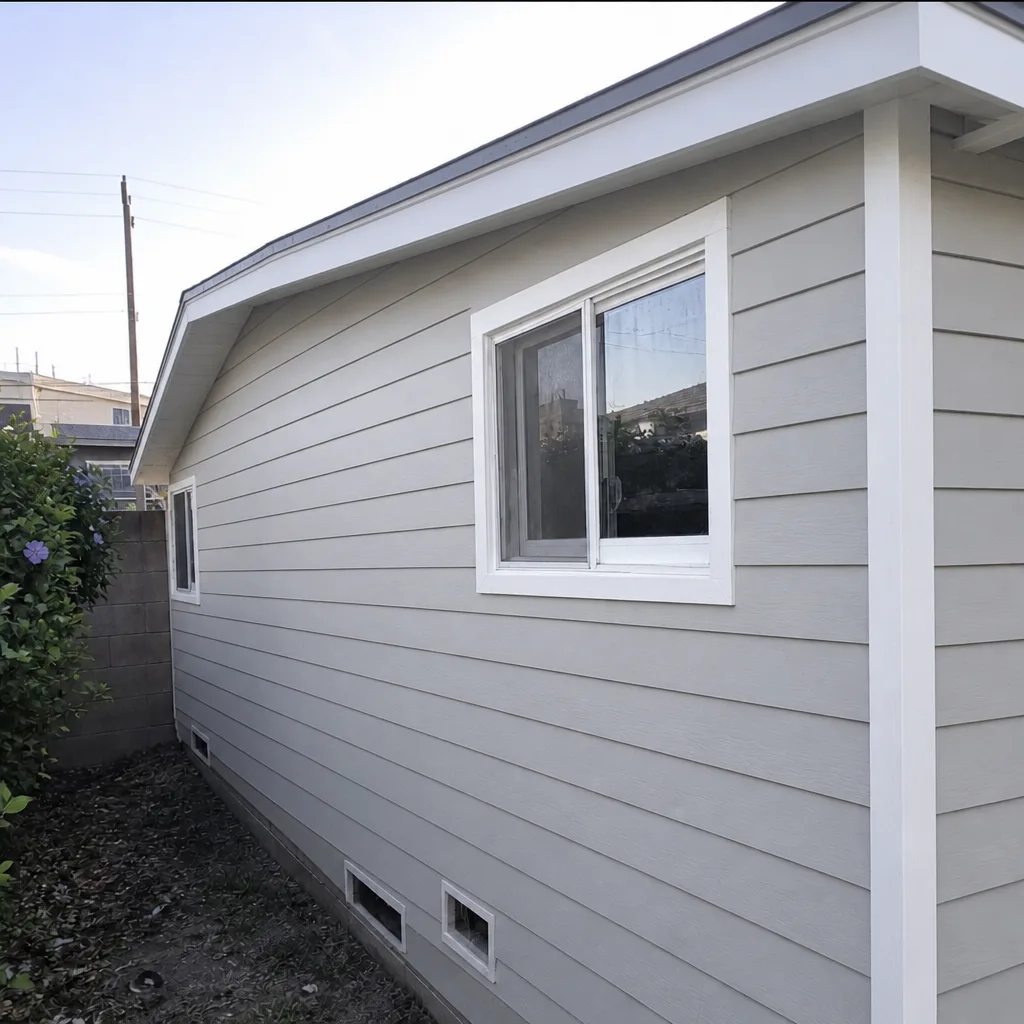
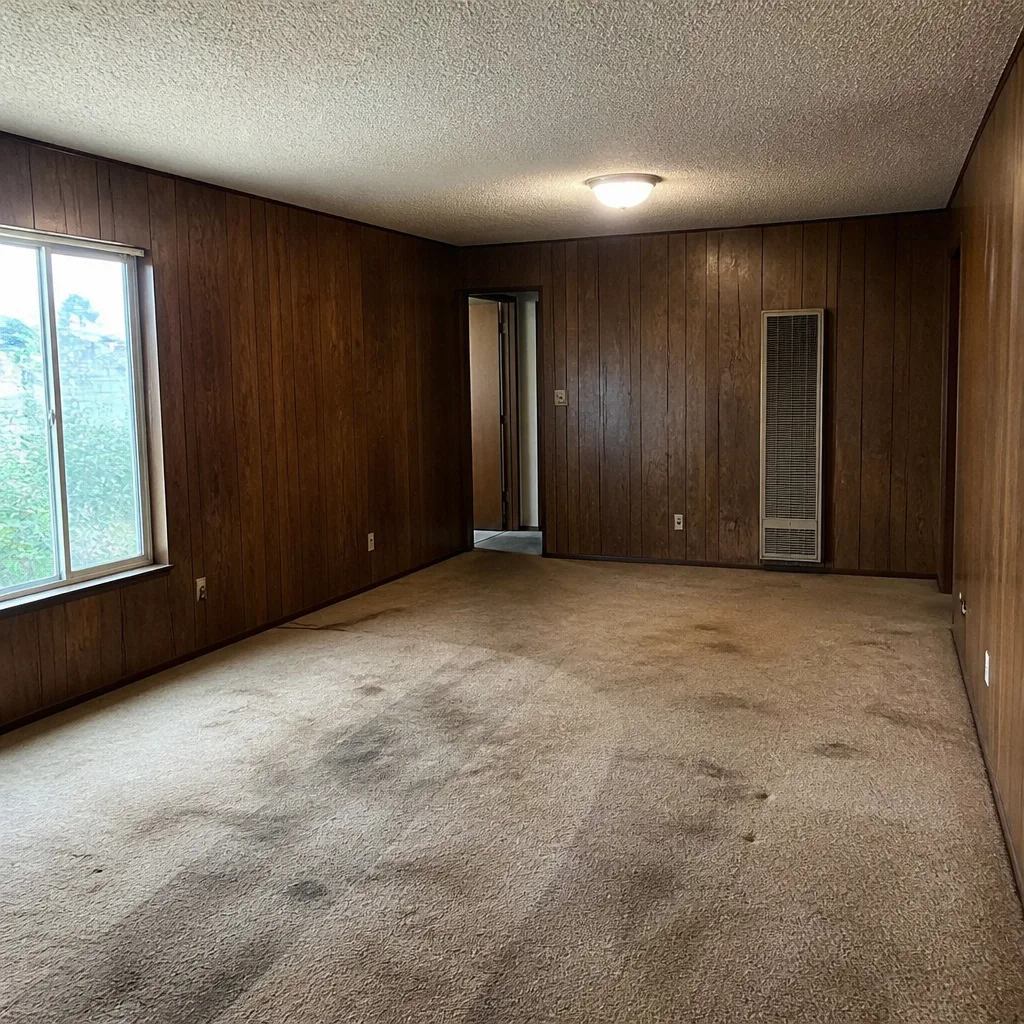
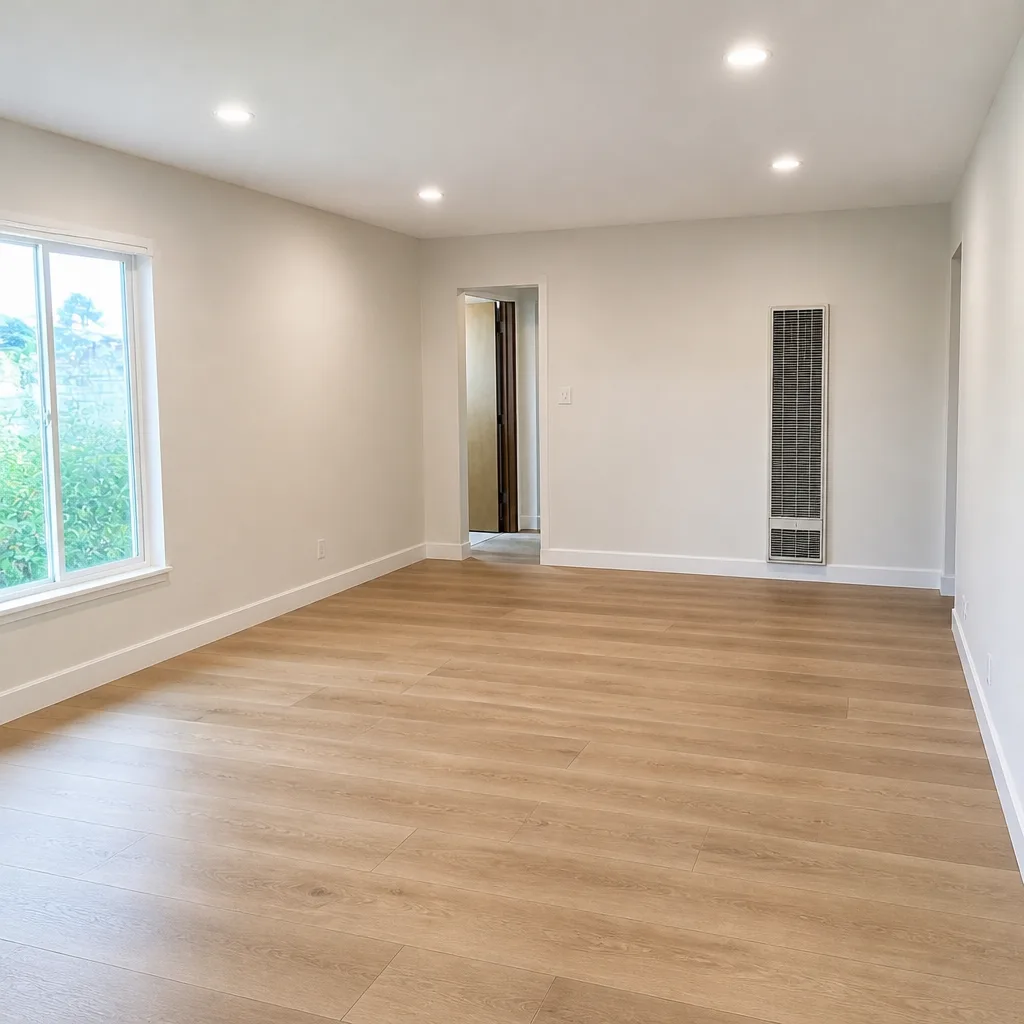
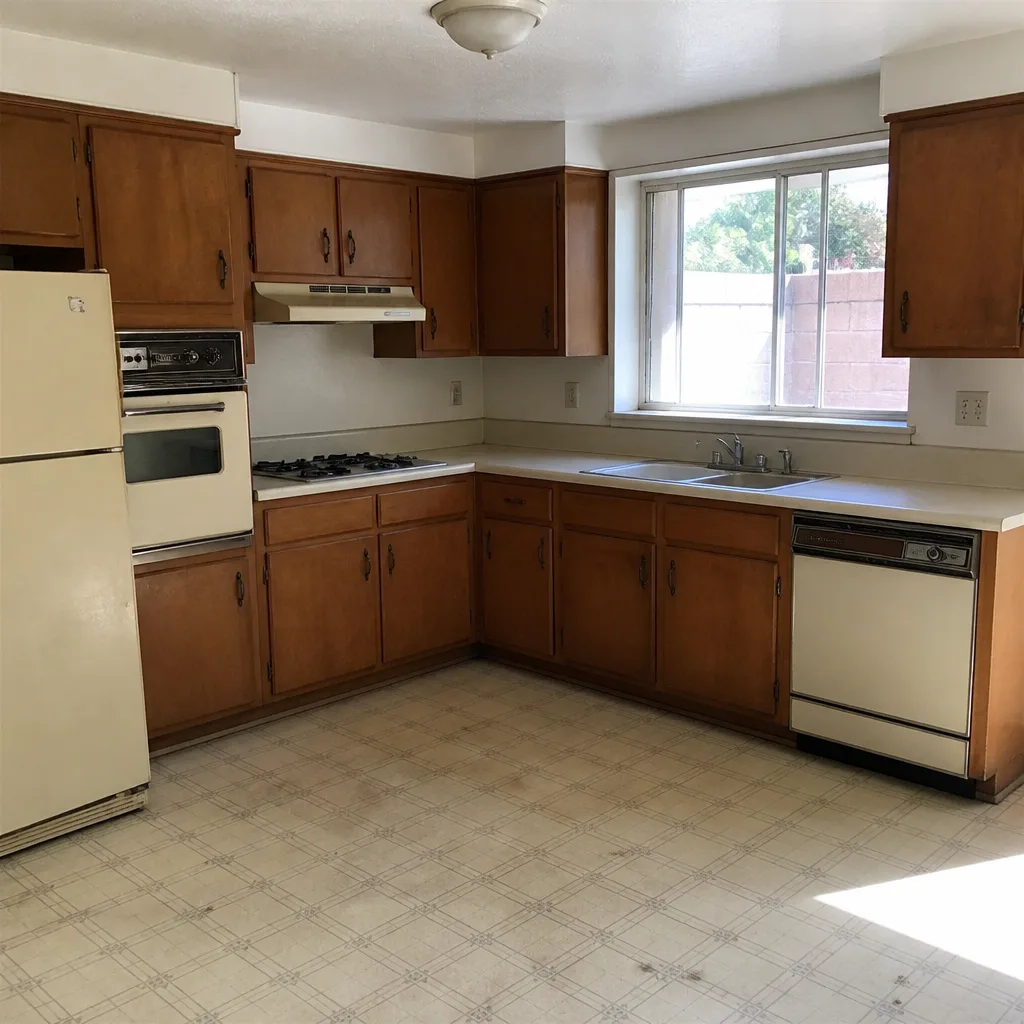
See the difference
 Before
 After
 Before
 After
 Before
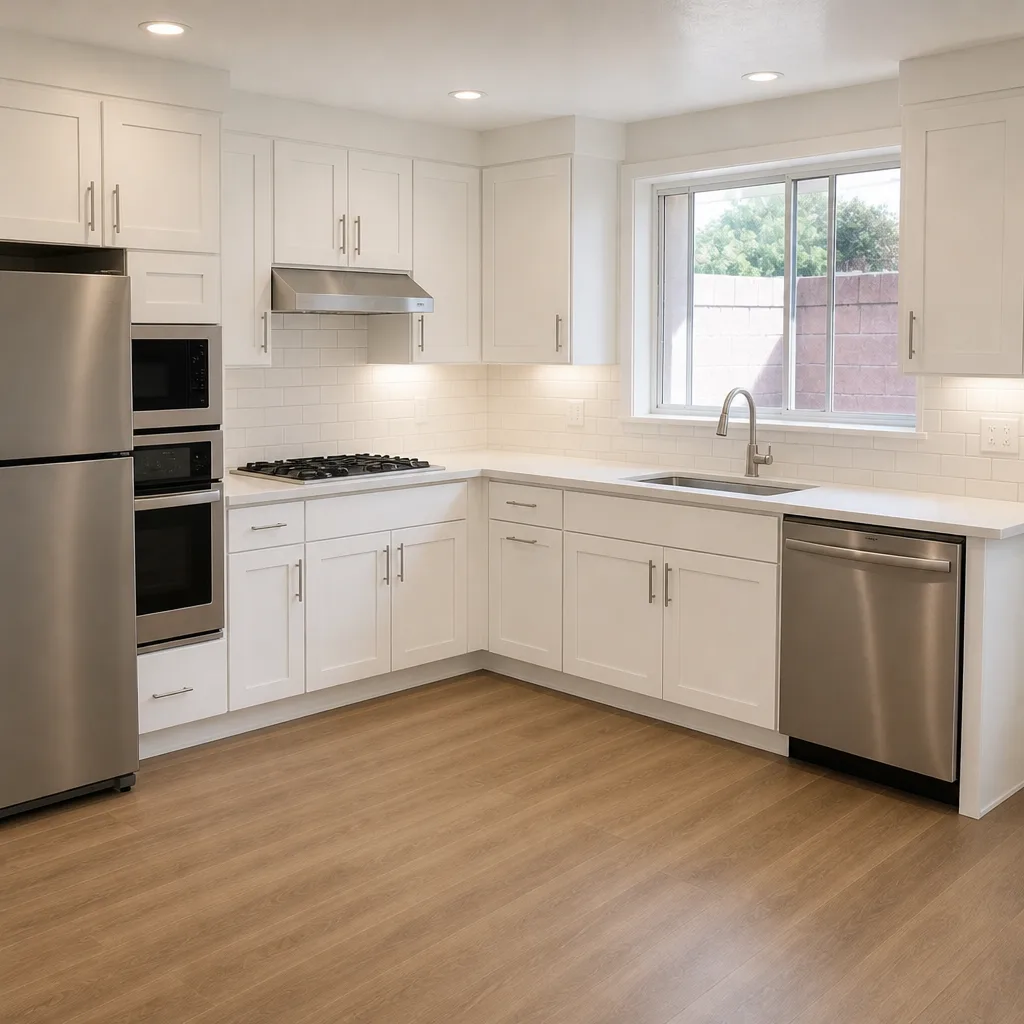 After
Frequently Asked Questions
You can legally self-perform cosmetic and non-permit scopes like painting, trim work, cabinet hardware, basic fixture replacement, and flooring installation in Buena Park. Anything that modifies structure, electrical systems, plumbing beyond fixture swaps, or the building envelope requires a permit, and certain scopes – gas lines, sewer connections, load-bearing changes – are restricted to licensed professionals regardless of whether you pull a permit. Call (855) 382-0824 if you’re unsure whether your project crosses the line.
Correcting a failed DIY project typically costs 1.5 to 3 times what the original professional bid would have been, because the contractor must first undo the failed work, assess the underlying damage, and then rebuild to code. A failed shower waterproofing job in a Buena Park home, for example, can run from $8,000 to $25,000 to correct depending on how long the leak went undetected. The original professional bid might have been $6,000 to $12,000. Estimates are free – call (855) 382-0824 to get an honest assessment of your specific situation.
Most homeowners insurance policies will deny water damage claims if the damage resulted from unpermitted, non-professional work, because the policy contains an implied warranty of workmanship that DIY work violates. Some insurers will also drop coverage entirely after discovering sustained DIY modifications, especially electrical work. If you’re planning to self-perform anything beyond cosmetic finishes, talk to your insurer first.
The honest math on a DIY kitchen remodel usually narrows the savings to 15-25% once you account for tool acquisition, material waste, your time, permit complications, and the probability-weighted cost of rework. On a $40,000 professional kitchen remodel, a competent DIYer might genuinely save $6,000 to $10,000. The question is whether that savings justifies the liability exposure on the plumbing, electrical, and structural elements of the project; for help identifying those risks, see our General Contractor Troubleshooting: Common Problems and How to Fix Them. For most homeowners, a hybrid approach – professional for the risk scopes, DIY for the finishes – captures most of the savings without most of the risk.
Yes, California law allows you to act as an owner-builder on your own primary residence, but the permit process doesn’t reduce the code requirements. Your work must meet Title 24 energy standards, pass the same inspections as a contractor’s work would, and you carry full liability for any failures. Many Buena Park homeowners who start as owner-builders end up hiring a contractor mid-project after the first failed inspection. The permit is the city’s protection mechanism, not a formality.
Look for a contractor who will structure the scope around your participation rather than requiring a full-turnkey contract. Ask whether they’re willing to handle permitting, structural work, waterproofing, and systems while you self-perform finish scopes like painting and trim. The right contractor will define the boundaries clearly, sequence the schedule so your work doesn’t slow the critical path, and take full accountability for the scopes they carry. Key Step Construction works this way; call (855) 382-0824 to discuss a hybrid project structure.
The Bottom Line
The DIY-versus-professional decision reduces to one question: which risks can you actually absorb? Cosmetic failures, wasted weekends, and replaced materials are absorbable. Code violations, insurance denials, structural compromises, and hidden water damage are not. Buena Park’s 1960s housing stock, strict energy codes, and competitive real estate market all push the same direction: DIY the finishes, hire for the systems. When you’re ready to plan a project, the Key Step Construction home page is the starting point. One contractor, every system – from the roof down to the foundation.
Written by the team at Key Step Construction, serving Buena Park since 2017.