
Last updated November 1, 2026
 Home additions & ADU
 Kitchen remodeling
 Bathroom remodeling
 Roofing
 Windows & doors
 Driveway & pavers
 Fence
Free written scope consultation - allowances, timeline, and change-order rules on paper before a single trade is scheduled
Construction Warning Signs: A Buena Park Homeowner’s Reference Guide
A hairline crack in drywall near a window corner is almost never a structural problem. It’s typically seasonal movement at a framing joint, and it shows up the same way in a $400,000 house as it does in a $1.4 million one. But a horizontal crack in a block wall, even one you’d need a magnifying glass to measure, means something entirely different. Knowing the difference saves Buena Park homeowners from two expensive mistakes: paying for structural repairs they don’t need, and ignoring a failing system until the repair bill doubles.
This guide and our General Contractor Troubleshooting: Common Problems and How to Fix Them teach you how to read construction warning signs the way a general contractor does. Not by memorizing a list of symptoms, but by understanding what each symptom says about the system behind it. You’ll learn which signs matter, which ones don’t, and how to describe what you’re seeing so a contractor can give you an accurate answer without three rounds of back-and-forth.
Styles & brands we work with
- Kitchen remodeling
- Bathroom remodeling
- Home additions & ADU
- Roofing
- Windows & doors
- Driveway & pavers
- Fence
Quick Answer
Construction warning signs in Buena Park homes fall into three categories: cosmetic (surface paint failure, hairline drywall cracks at joints), functional (moisture intrusion, failing drainage, window seal failure), and structural (horizontal foundation cracks, separating wall planes, sagging rooflines). Cosmetics can wait. Functional signs need a planned fix. Structural signs need a professional assessment within weeks, not months. The location, pattern, and timing of a warning sign tell you more than the sign itself.
Table of Contents
- Cosmetic Symptoms vs. System Failures: The Diagnostic Difference
- Why Buena Park Soil Creates Its Own Warning Signs
- Roofing Warning Signs You Can Read From the Ground
- Interior Stains That Reveal Exterior System Failures
- Emergency Contact vs. Planned Scope: A Decision Framework
- How to Document Warning Signs Before Calling a Contractor
- Common Mistakes to Avoid
- When to Call a Professional
- Frequently Asked Questions
- The Bottom Line
Cosmetic Symptoms vs. System Failures: The Diagnostic Difference
Here’s the core skill that separates a homeowner who gets straight answers from one who gets sold a scope they don’t need. Every visible warning sign sits on a spectrum. On one end: the surface symptom, meaning the material you can see is failing while everything behind it is fine. On the other end: the system failure, meaning the symptom is evidence that a structural, waterproofing, or drainage system has already failed and is now showing through.
Three diagnostic tools place a symptom on that spectrum: location, pattern, and timing.
Location
Where a crack or stain appears tells you which building system is involved. A crack that runs along the seam where drywall panels meet is almost always cosmetic because that’s the weakest point of the surface layer, and it’s where movement naturally concentrates. A crack that cuts through the middle of a drywall sheet, or worse, through a concrete stem wall, involves the structure itself because the force required to break material at its strongest point is dramatically higher.
The same logic applies to water. A stain on the ceiling directly below a bathroom tells you something about plumbing or waterproofing above it. A stain on an exterior-facing wall at the baseboard line tells you something about grade drainage, stucco wicking, or flashing. The location narrows the system before you even know the cause.
Pattern
Pattern is the second diagnostic. Vertical hairline cracks in drywall, especially at corners and above door frames, follow the framing joints and respond to seasonal humidity swings. They open slightly in dry months and close when moisture returns. These are predictable and benign. A diagonal crack running from a window corner toward the ceiling is more informative: it’s tracking the path of least resistance through the wall assembly, and while it’s often still cosmetic, its diagonal path means the framing is moving more than seasonal norm would explain. You’d watch that one.
Horizontal cracks are the ones that get a contractor’s attention. In a poured concrete or block foundation, horizontal displacement means lateral pressure on the wall, which is a soil or drainage problem, not a paint problem. Buena Park’s older block-wall homes and mid-century slab foundations occasionally show this pattern, and it belongs in the “assess soon” category every time.
Timing
When a symptom appears is its third diagnostic clue. A crack that appears in a dry-stretch summer, closes in winter, and reappears the following August is a textbook seasonal movement pattern. A crack that appears after a rain event and grows measurably within weeks is active and load-responsive, which changes the urgency. Document the date you first noticed a warning sign, and note whether it changes after rain, after heat waves, or gradually regardless of weather. Contractors use that timeline to determine whether a condition is stabilized or still moving.
One more distinction matters for Buena Park specifically. Our climate swings between dry, hot summers and occasional intense winter rain events. Homes here experience more dramatic seasonal expansion and contraction than homes in coastal microclimates just a few miles west. That means a certain level of surface movement is normal, which makes the diagnostic skill even more valuable because the baseline is higher.
Why Buena Park Soil Creates Its Own Warning Signs
Buena Park sits on a patchwork of soil types, and that patchwork does not follow property lines. Some neighborhoods sit on well-drained sandy loam. Others sit on pockets of expansive clay that shrink when dry and swell when wet, and some of the city’s older subdivisions were graded across both. This matters because two homes a block apart can experience completely different foundation movement under identical weather conditions.
Expansive clay is the one to pay attention to. When it gets wet, it expands with enough force to lift a slab edge or push sideways against a foundation wall. When it dries, it contracts and leaves the slab partially unsupported, which creates the conditions for settling cracks. Homes on expansive clay show a characteristic pattern: seasonal widening of existing cracks, doors that bind in winter and free up in summer or vice versa, and stair-step cracking in exterior brick or block veneer.
Here’s what we’ve seen repeatedly in Buena Park: a homeowner notices hairline cracks in the slab, calls for a foundation assessment, and the actual cause is a drainage issue at one corner of the house. The downspout discharges against the foundation, the clay absorbs the water, and the expansion does the rest. Fix the drainage and the movement stabilizes. No piers, no mudjacking, no $20,000 scope. The warning sign was real, but reading it correctly changed the entire repair conversation.
This is the single biggest reason to document warning signs before calling anyone. Buena Park’s soils mean that two identical cracks can have entirely opposite causes, and the homeowner who can describe the crack’s history, its timing, and the drainage conditions around it gets a better read than one who sends a photo and says “is this bad?”
Related soils like this are why we approach every general contractor project in Buena Park with drainage as the foundation question, before we ever talk finishes.
Roofing Warning Signs You Can Read From the Ground
Most roofing failures announce themselves on the roof, but you can read a surprising amount of information from the ground if you know what to look for. The goal here is not to diagnose a specific leak. It’s to identify whether the roof system has a surface problem, which is typically a repair, or a structural-deck problem, which is a replacement scope.
Start with the roofline itself. Walk to the street and look at the ridge line. It should read as a straight, continuous line with no dips, waves, or soft spots along the peak. A dip in the ridge line indicates that the deck below the roofing material has lost its structural integrity, usually from moisture entering through failed flashing or underlayment and rotting the sheathing. That’s a structural condition, not a roofing condition, and it changes the scope significantly.
Second, check the roof edges and overhangs. Curling or lifting shingles at the eaves are surface wear, generally from age and sun exposure, and they may be repairable section by section. But sagging at the eave line, where the roof overhang appears to droop or flatten between rafter tails, points to sheathing decay at the most moisture-exposed part of the deck. The eave is where roof runoff concentrates and where gutter failure does its most concentrated damage, so rot there is common and needs deck replacement, not just new shingles.
Third, look at flashing points: where rooflines meet, where a chimney or plumbing vent penetrates the roof, where the roof meets a wall. Discoloration, rust staining, lifted flashing, or visible sealant breakdown at these transitions are early warning signs. Flashing failures are the most common source of roof leaks in Buena Park, and they’re often repairable without touching the rest of the roof, but only if caught before the water works its way into the deck below.
Finally, look at the gutter line after a rain event. Water staining down the fascia board, water running behind the gutter, or gutter sections sagging away from the roofline suggest that the drip edge is failing or the gutter is undersized for the roof plane. In Buena Park’s winter rain events, that cascading failure is how a clean roof ends up with rotted eave sheathing within two or three seasons.
- Stand at the curb. Look for a straight, continuous ridge line with no dips or waves.
- Walk the perimeter. Check for curling shingles (surface) versus sagging eaves (structural).
- Scan every flashing point with binoculars if needed. Look for rust, lift, or broken sealant.
- After rain, check the fascia and gutter line for overflow staining.
If you see a straight ridge, solid eaves, and intact flashing but worn shingle surfaces, you have options. If you see any dip, sag, or flashing failure, call a professional before the next rain season. And if you’re already thinking about home remodeling work in Buena Park, roofing conditions should be assessed before interior work begins, because a leaking roof will undo a finished room faster than any other single failure.
Interior Stains That Reveal Exterior System Failures
Water is the most persistent and informative warning sign a house can give you. The trick is understanding that the stain you see on the interior tells you almost nothing about where the water originated. Water travels. It enters through an exterior failure, migrates along a path of least resistance through the wall or ceiling assembly, and shows up at the first interior surface it can saturate. The stain is the end of the story, not the beginning.
Let’s walk the most common water paths in Buena Park homes.
Ceiling stains under bathrooms
A brown ring on the first-floor ceiling below a second-floor bathroom usually means a plumbing fitting is failing inside the floor assembly: a supply line connection, a drain gasket, a wax ring, a tub waste overflow. The stain may stay small for months while the leak is intermittent, then bloom after heavy use. This is a functional warning sign. The fix is localized once the plumbing is opened, but ignoring it means the subfloor and framing around the leak slowly rot while the visible stain stays deceptively small.
Wall stains at the baseboard on exterior walls
This pattern is more common in Buena Park than homeowners expect, and it rarely means a plumbing leak. Water collecting at the baseboard along an exterior wall typically enters somewhere higher: a failed window flashing, a crack in exterior stucco, a failed weep screed at the bottom of a stucco wall, or grade-level drainage that keeps the wall base saturated. The water works its way down through the wall cavity behind the drywall and accumulates at the bottom plate. By the time you see the stain, the wall cavity has been getting wet for a while, and the bottom plate may be swelling or beginning to rot.
Window-corner stains
A stain that originates at a window corner and spreads outward or downward usually points to flashing failure at the window head or sill, not window frame failure. The glass unit itself may be perfectly intact. In Buena Park’s hot, dry summers, the first sign of this failure is often not a water stain at all but paint bubbling or crusty salt deposits around the window trim, which are the residue of intermittent moisture that has already started degrading the wall assembly. By the time you proactively inspect, the flashing repair is usually minor; if you wait for the stain to spread, the repair scope can include insulation replacement and drywall repair.
This is where window and door quality matters. We recommend that Buena Park homeowners considering replacement windows look at lines like Therma-Tru doors or ViewLux windows, but the brand matters far less than the flashing detail around whatever you choose. A mid-range window flashed correctly will outperform a premium window flashed wrong, every time. During home renovation work in Buena Park, we treat window flashing as a waterproofing system, not a finishing detail, because that’s the correct technical framing.
Ceiling stains at exterior wall intersections
A stain that appears where a ceiling meets an exterior wall, especially at the top floor, is very often a roof flashing failure at the wall-roof transition. The water enters at the roof edge, follows the wall top plate, and saturates the ceiling drywall at the intersection. The stain appears far from the actual roof leak, and the actual roof surface above may look perfectly fine. This is why an apparent interior ceiling issue deserves a roof assessment even when the ceiling stain is nowhere near where a leak would seem to originate.
The takeaway: interior water stains are exterior warning signs wearing a disguise. Every stain tells you which direction to look, never where the problem actually is.
Emergency Contact vs. Planned Scope: A Decision Framework
Not every warning sign deserves an emergency call, and not every slow-burn warning sign can wait for your next planned project. Here’s the classification framework we use, in plain language, and you can find more guides & resources in our blog.
Contact within days (active water intrusion or immediate safety risk)
- Water actively entering during or immediately after rain, visible at any interior surface
- Any ceiling stain that’s growing noticeably over a period of days
- A horizontal crack in a foundation or retaining wall that appears or grows suddenly
- A roofline dip that’s visibly deepening over weeks
- Any sign of gas odor combined with unfamiliar plumbing or appliance work
- A window or door that suddenly won’t operate at all, especially if accompanied by new cracking above it
These conditions are either actively deteriorating or represent a failure that’s already underway. The cost of waiting is usually measured in thousands of dollars, not hundreds.
Document and plan (stable conditions that can wait)
- Hairline drywall cracks at framing joints that have not changed in size across seasons
- Surface roof wear: curling shingles, granule loss, isolated flashing rust with no interior staining
- Minor door sticking that comes and goes with the seasons
- Small stucco cracks under 1/16 inch with no water staining or displacement
- Older windows with failed seals (fogged glass) but no surrounding water damage
These are real warning signs, but they’re not active failures. Photograph them, measure them, note the date, and pull them into your next planned scope. A competent contractor will fold these conditions into the project without sending you into a panic spiral.
The middle category: assess within weeks
- Diagonal drywall cracks that grow slightly over a season
- Horizontal cracks in a block wall, even thin ones
- Any foundation crack you can fit a nickel’s edge into
- Interior stains that are dry but whose cause hasn’t been identified
- Any exterior crack in stucco wider than 1/16 inch
These aren’t emergencies, but they’re not stable enough to ignore indefinitely. A professional assessment in the near term gives you either relief (it’s cosmetic) or a plan (here’s the fix), and either is better than wondering.
One practical note on the brand side of this conversation. If you’re planning an exterior project, a general contractor in Buena Park who understands wall assemblies, roof transitions, and drainage as an integrated system will flag root cause during the estimate, not after the work starts. That integration is why single-contractor accountability matters so much in homes with multiple warning signs at once.
How to Document Warning Signs Before Calling a Contractor
The single best move a Buena Park homeowner can make - along with following a General Contractor Maintenance Checklist for Buena Park Homeowners - is to document warning signs before reaching for the phone. Not because contractors don’t trust you. Because a properly documented sign eliminates the back-and-forth that burns weeks off the assessment process and turns a contractor’s first visit into a productive working session rather than a discovery exercise.
Here’s the documentation protocol we recommend:
- Photograph with context. Take a wide shot showing the sign’s location in the room, then a close shot showing the sign itself. Include a reference object in the close shot: a coin, a pencil, a tape measure. Cracks especially are hard to judge at scale in photos.
- Measure precisely. Record crack width to the nearest 1/32 inch if you can, or use a coin reference: a penny edge is about 1/16 inch. Measure crack length and note whether it tapers to nothing at either end.
- Note the timing. Write down the date you first noticed the sign, and any observations you have about whether it changes with weather or season.
- Record conditions around it. For any water-related sign, note what’s directly above it, what’s on the other side of the wall, whether there’s a bathroom or roof penetration anywhere nearby, and the drainage conditions at the exterior ground line.
- Map multiple signs. If you have several warning signs, sketch a simple floor plan and mark them. Multiple signs that share a wall line or vertical stack often share a single cause, and a contractor who sees the pattern can diagnose faster.
A homeowner who shows up to the first conversation with this documentation gets a fundamentally different conversation than one who says “there’s a crack somewhere, I think.” It’s the difference between a rangefinder estimate and a change-order generator.
Common Mistakes to Avoid
- Painting over a crack without understanding it. A crack that’s purely cosmetic can be patched and painted with confidence. A crack that’s structural will re-appear through the patch within a season, and in the meantime you’ve lost the ability to observe its original shape and pattern. Diagnose first, paint second.
- Ignoring repeated caulking failures. If you’ve re-caulked a tub, window, or expansion joint more than once and it keeps separating, the joint is moving more than caulk can accommodate. The caulk is the symptom. The movement is the problem. Re-caulking it a third time just means you’ve now bought caulk three times instead of addressing the actual joint condition.
- Assuming a dry interior wall means no water problem. In Buena Park’s climate, water can enter a wall assembly, drain down the building paper, and exit at the weep screed or foundation line without ever saturating drywall to the point of visible staining. Moisture meters and thermal cameras catch these conditions. The naked eye doesn’t. If you see exterior signs like stucco staining below weep screed or crumbling at wall bases, get it checked even if the interior looks fine.
- Closing off crawlspace or foundation vents to improve energy comfort. It’s tempting, especially in summer, to block off foundation vent openings to keep cool air in. That creates stagnant, moist conditions under the house, which accelerates rot in floor framing and can concentrate soil moisture against foundation elements. Create airflow, don’t close it off.
- Ignoring gutter conditions because it hasn’t rained. Buena Park’s dry season lasts most of the year, and it’s easy to deprioritize gutters that sag, pull away, or discharge against the foundation. But the next winter rain season will pay off every postponed gutter fix with foundation-saturating overflow exactly where you don’t want it.
- Treating every visible crack as a foundation crisis. The inverse mistake is just as common. Homes in this area move with the seasons, and most cracks are normal. A contractor who immediately recommends a $30,000 foundation scope based on a hairline drywall crack is not diagnosing; they’re selling. Get a second read on any big-ticket structural recommendation and ask for the evidence: where’s the movement coming from, and what makes it structural?
- Replacing windows solely based on failed glass seals. Fogged double-pane glass is a real defect, but it does not automatically mean the window frame and flashing are failing. If the frame is solid and the flashing is intact, glass replacement is a much smaller scope than full window replacement. A contractor who always recommends full replacement regardless of frame condition is acting in their interest, not yours.
When to Call a Professional
You should call a professional when a warning sign is: actively changing, structural in pattern, or water-related with an unknown point of entry. That’s a wide net, and it’s intentional. The cost of a professional assessment is a fraction of the cost of a missed active leak or an ignored horizontal crack. If you’ve documented your signs using the protocol above, the assessment conversation is efficient and productive.
If you’re in Buena Park and want a straight reading on what you’re seeing, Key Step Construction offers free estimates. Call (855) 382-0824 and tell us what you’ve observed. We’ll walk the property, map the warning signs, and give you an honest assessment of what’s cosmetic, what’s functional, and what actually needs a plan. If nothing needs work, we’ll tell you that too.
Frequently Asked Questions
Costs vary sharply by cause, and a warning sign’s visible appearance is not a reliable price indicator. Cosmetic drywall crack repair typically runs $200 to $500 per area. Flashing repairs at a roof-to-wall transition range from $500 to $1,500 depending on access. Exterior stucco crack repair with waterproofing runs $400 to $900 per area. Structural repairs, if the sign indicates actual foundation or deck failure, range from $3,000 to $30,000 depending on scope. The only way to know which category you’re in is a diagnostic assessment, not a quote over the phone. Call (855) 382-0824 for a free estimate, and we’ll tell you which category your signs fall into before any money changes hands.
Active water intrusion during rain, a ceiling stain that grows visibly day to day, a sudden horizontal crack in a foundation or retaining wall, a roofline that visibly dips between trusses, and any gas-related concern are the emergencies. Everything else can be documented and assessed on a planned basis. When in doubt, photograph and measure the sign, then call (855) 382-0824 and describe what you’re seeing in detail. We’ll give you an honest urgency read.
It depends on the underlying scope, not on the warning sign itself. Patching drywall, re-caulking joints, repairing flashing, and similar minor fixes generally do not require permits in Buena Park. Structural repairs, foundation work, roof deck replacement, and any modification to load-bearing elements do require permits and inspections. A licensed contractor will know which category your repair falls into and will pull permits when the scope requires them. Working without required permits creates disclosure problems at resale and insurance problems if the repair later fails. Call (855) 382-0824 for a free assessment that includes the permit picture.
It shouldn’t, and it doesn’t have to. The reason some projects see change orders is that the initial estimate was based on the visible symptom without any investigation of what caused it, a pitfall covered in our DIY vs Professional Construction: The Buena Park Homeowner’s Decision Guide. A contractor who does a diagnostic assessment before quoting, not just a walkthrough, can price the actual repair scope with much higher confidence. Ask any contractor you’re considering: “Does your estimate include opening up the area to confirm the cause, or is this a surface-only price?” At Key Step Construction, our estimating process is built around answering that question before work begins. Call (855) 382-0824 and ask us how we approach it.
Cosmetic repairs like drywall patching and painting run one to two days including cure time. Flashing repairs run one day, occasionally two if there’s multiple locations. Stucco crack repair with waterproofing runs two to three days accounting for proper cure before paint. Structural repairs run from one to four weeks depending on scope, access, inspections, and concrete cure times. We’ll give you a written schedule with your estimate, with dates not vague promises. Call (855) 382-0824 to get a timeline specific to what you’re seeing.
Not universally, but certain warning signs are more common here. Buena Park’s mix of expansive clay pockets and sandy loam creates more foundation movement variety than you’d find in coastal cities built on predominantly sandy soil. Homes near the city’s older subdivisions with block foundations show movement patterns that newer slab-on-grade subdivisions don’t. And the dramatic dry season-to-rain season swings mean that seasonal crack patterns are more pronounced here than in areas with more consistent humidity. That’s why diagnosis matters more than pattern matching. What’s normal in one Buena Park neighborhood may be a real warning sign in another. Call (855) 382-0824 and we’ll assess your signs in the context of your specific block, not a generic handbook.
The Bottom Line
Construction warning signs are a language. Every crack, stain, and sag is telling you something about the system behind it, and the skill of reading that language matters more than the signs themselves. Cosmetic symptoms can wait. Functional failures need a plan. Structural patterns need assessment within weeks. Document what you see, learn to distinguish the surface from the system, and bring your observations to a contractor who diagnoses before they bid.
Buena Park has specific soil, climate, and construction-era patterns that make local diagnostic knowledge genuinely valuable. A warning sign that means “normal seasonal movement” on a sandy-loam block might mean “drainage failure” on an expansive-clay block two streets over. If you’re seeing signs and want a straight read, call (855) 382-0824 for a free estimate. We’ll walk the property, map what you’ve documented, and tell you honestly what needs work, what can wait, and what’s nothing to worry about.
Written by the team at Key Step Construction, serving Buena Park since 2017.
See the difference
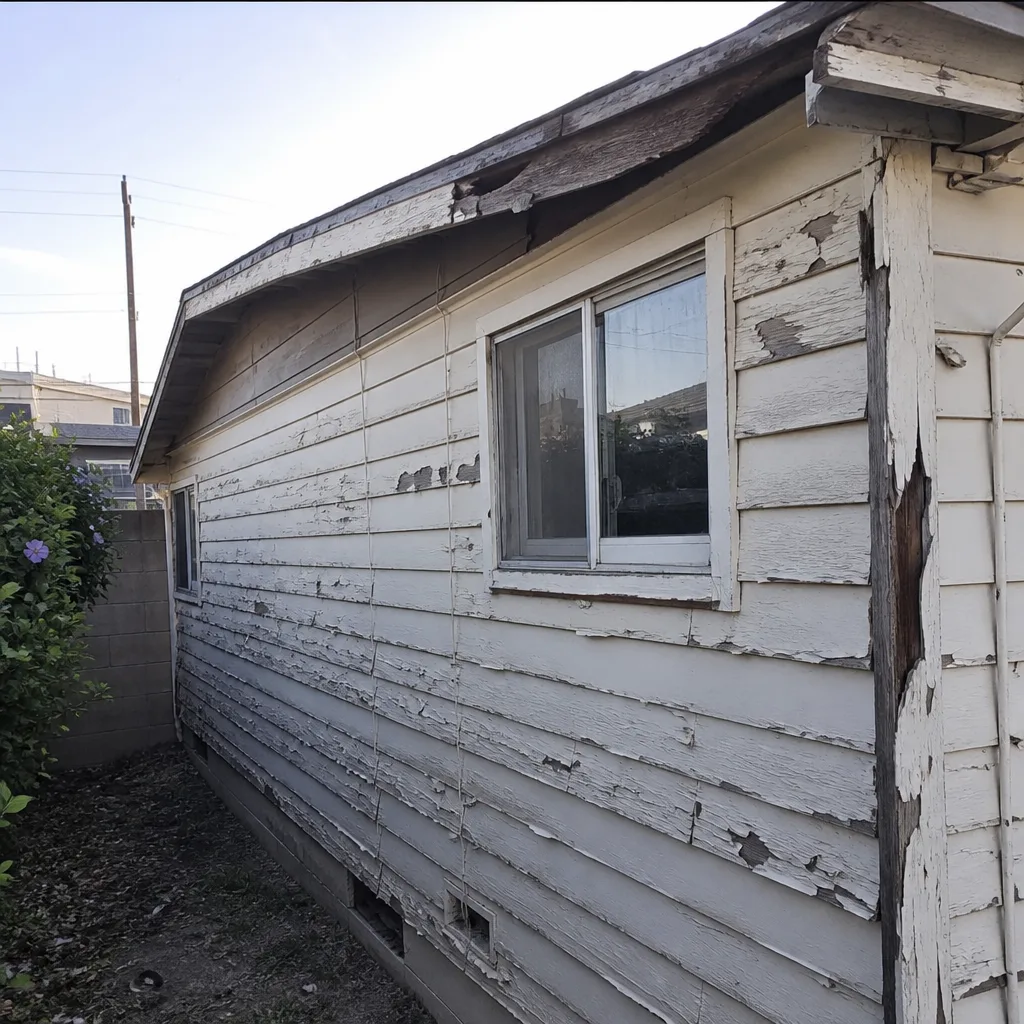 Before
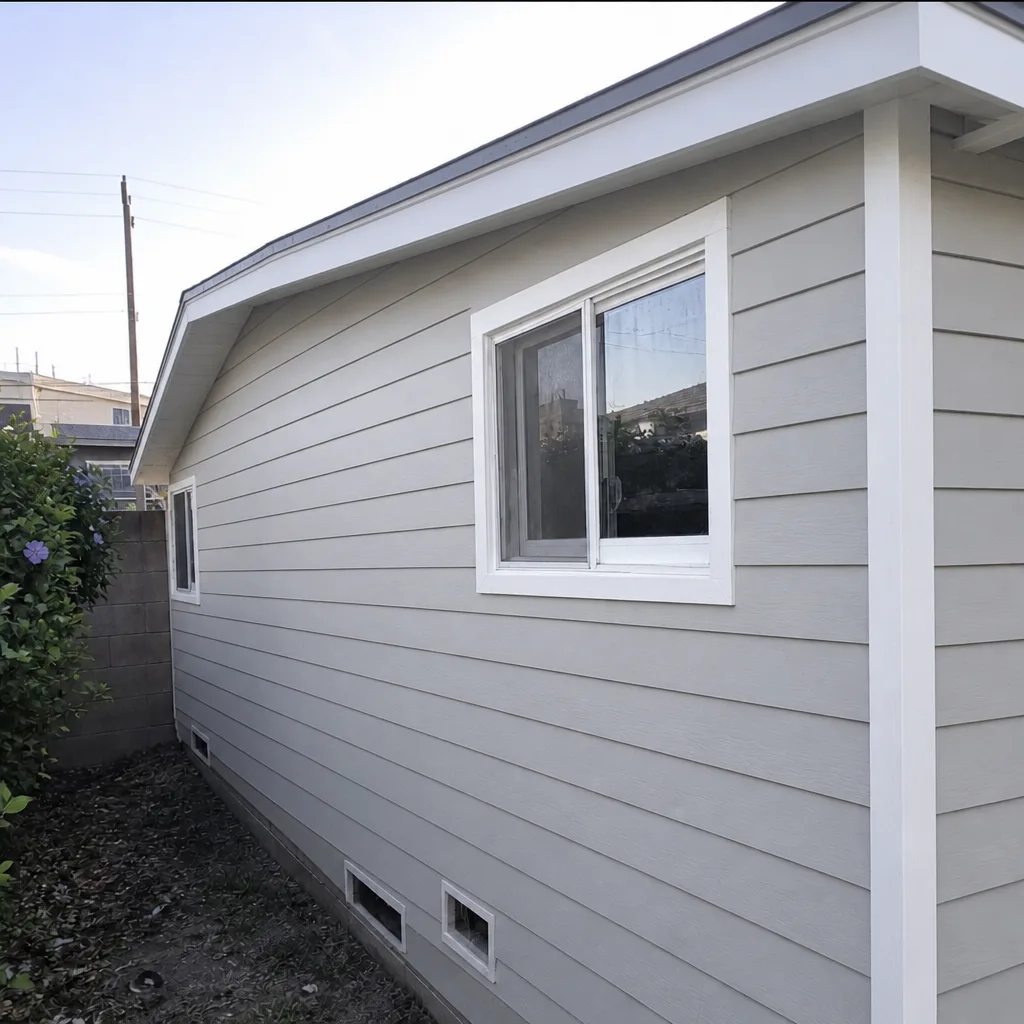 After
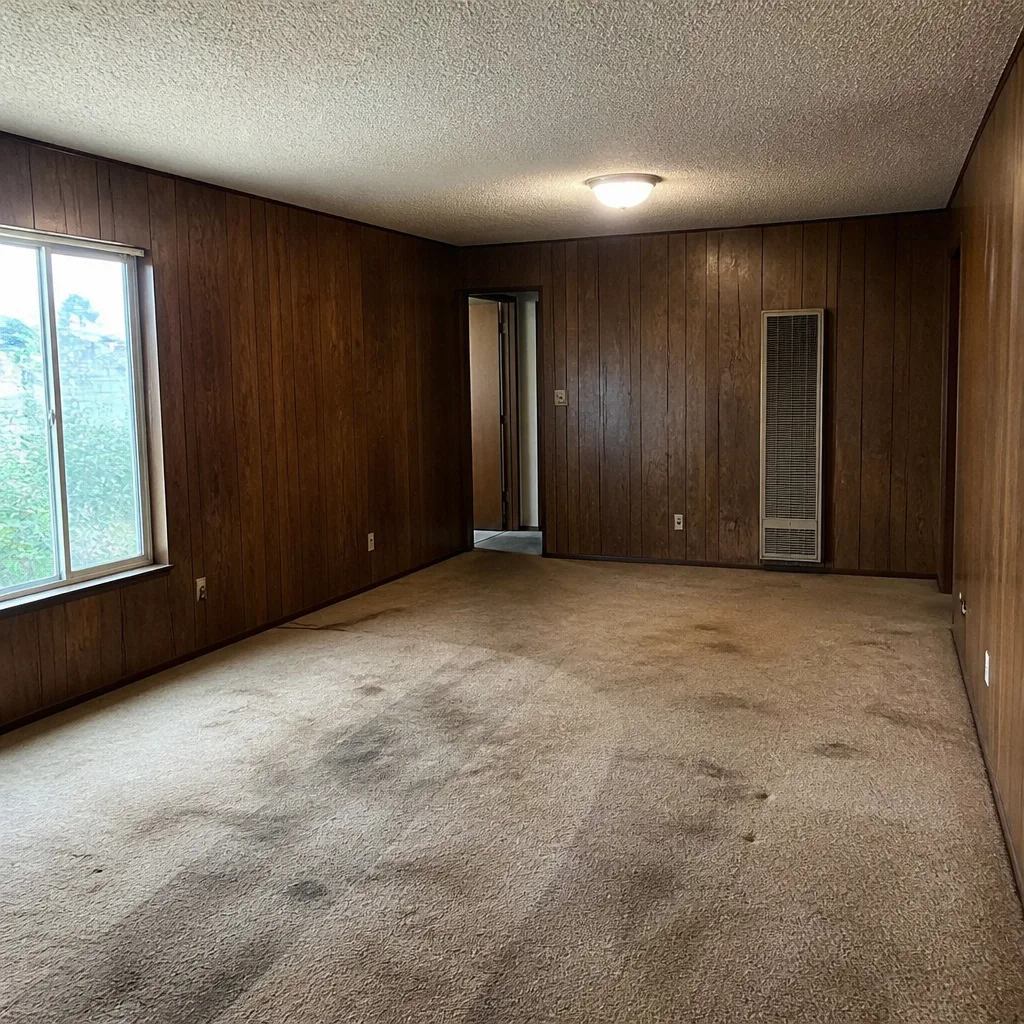 Before
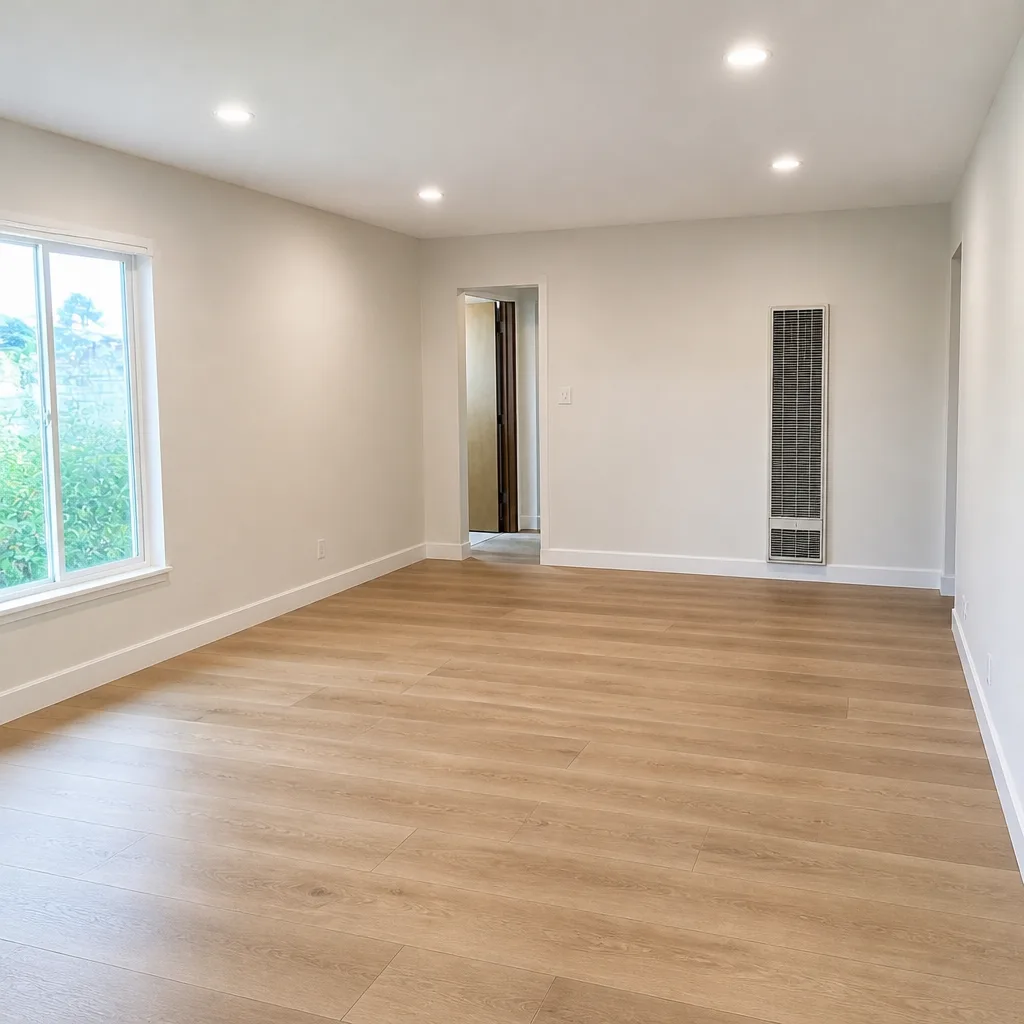 After
 Before
 After