
Last updated November 1, 2026
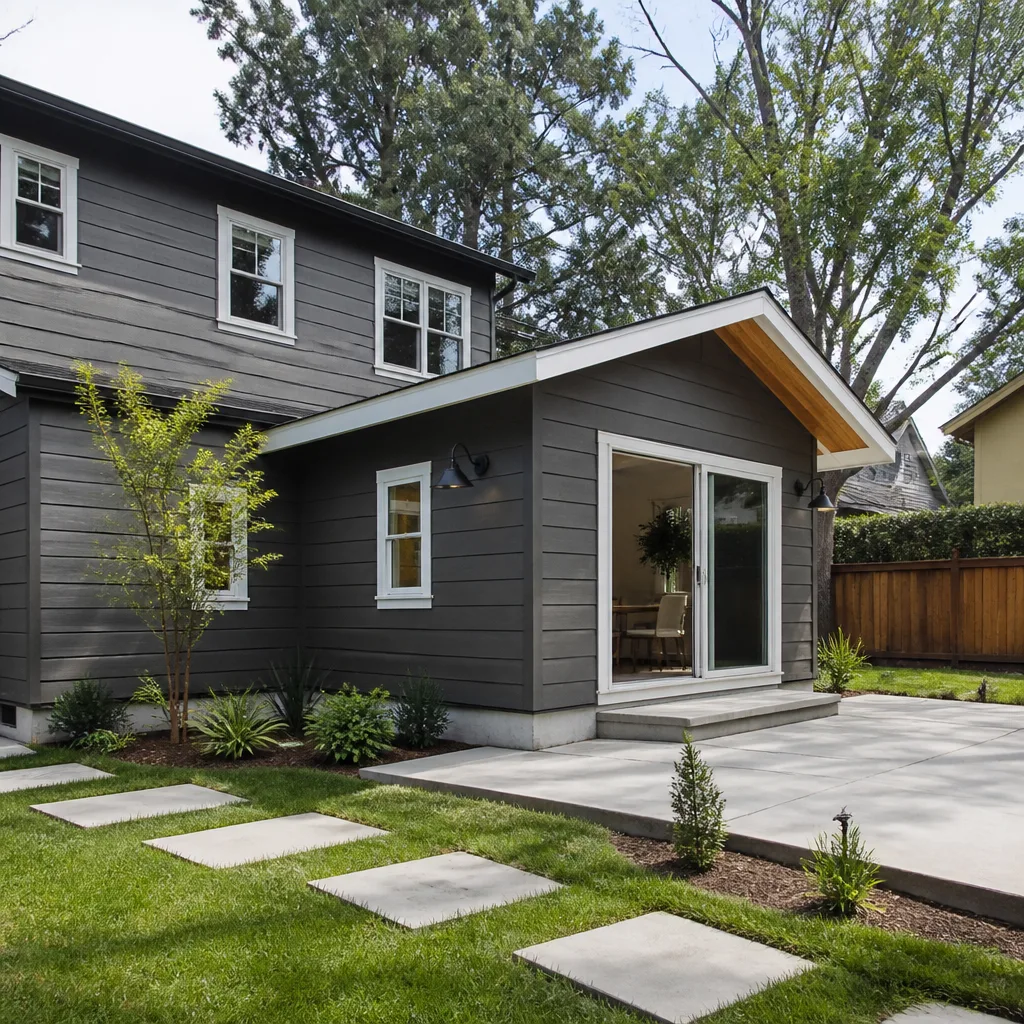 Home additions & ADU
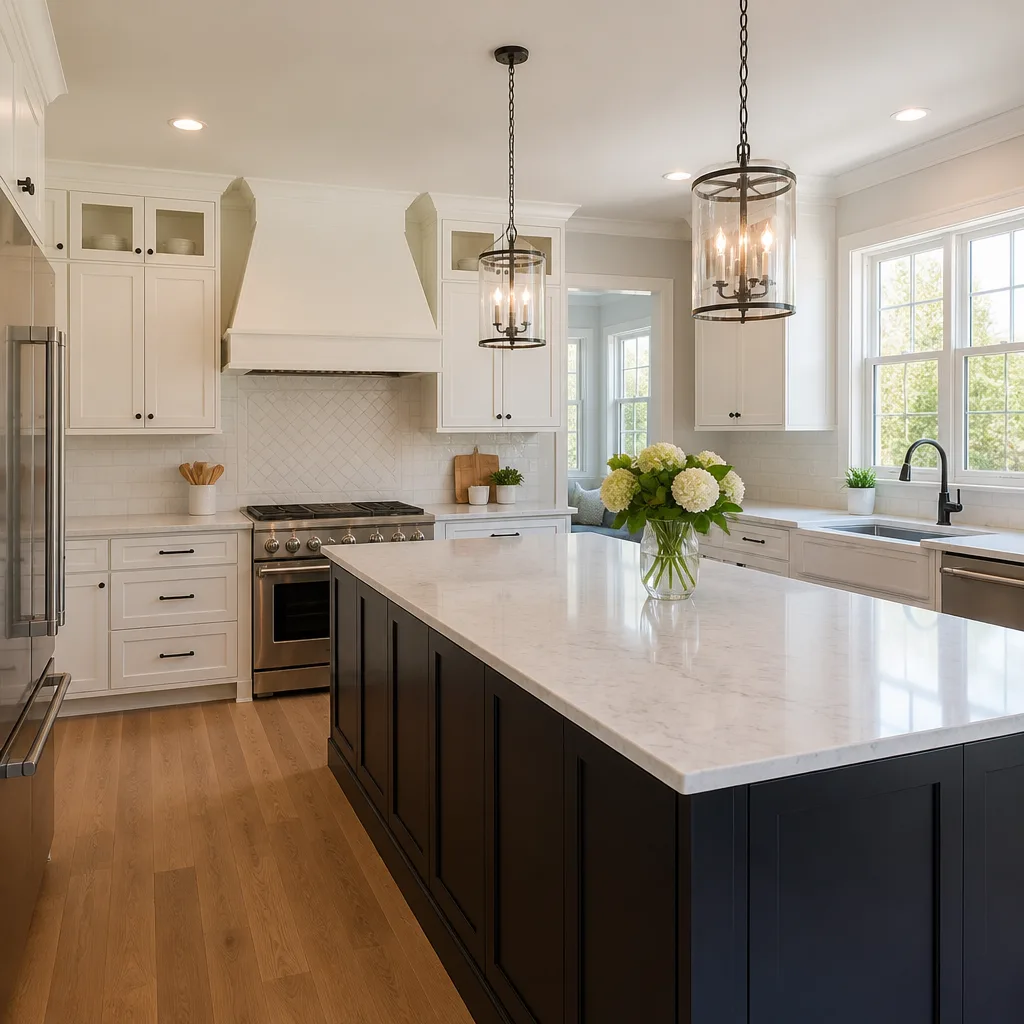 Kitchen remodeling
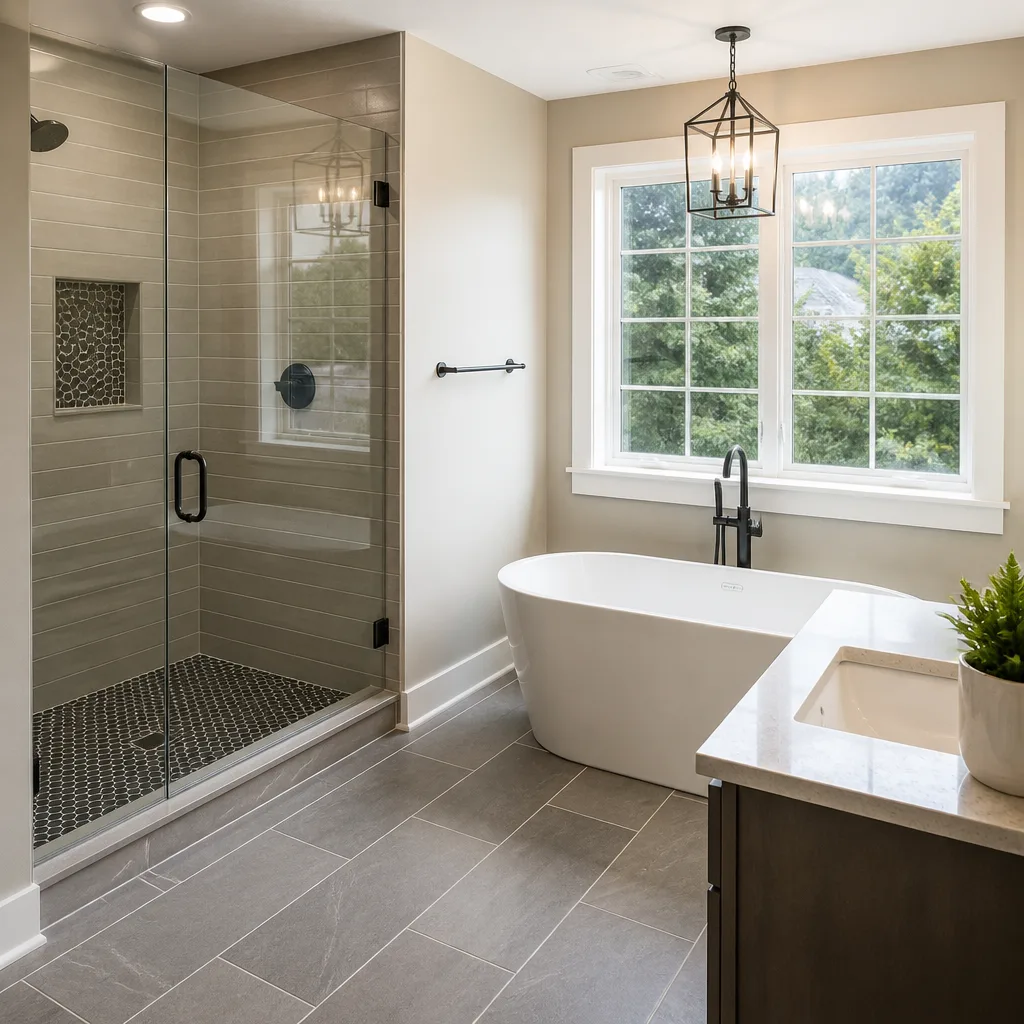 Bathroom remodeling
 Roofing
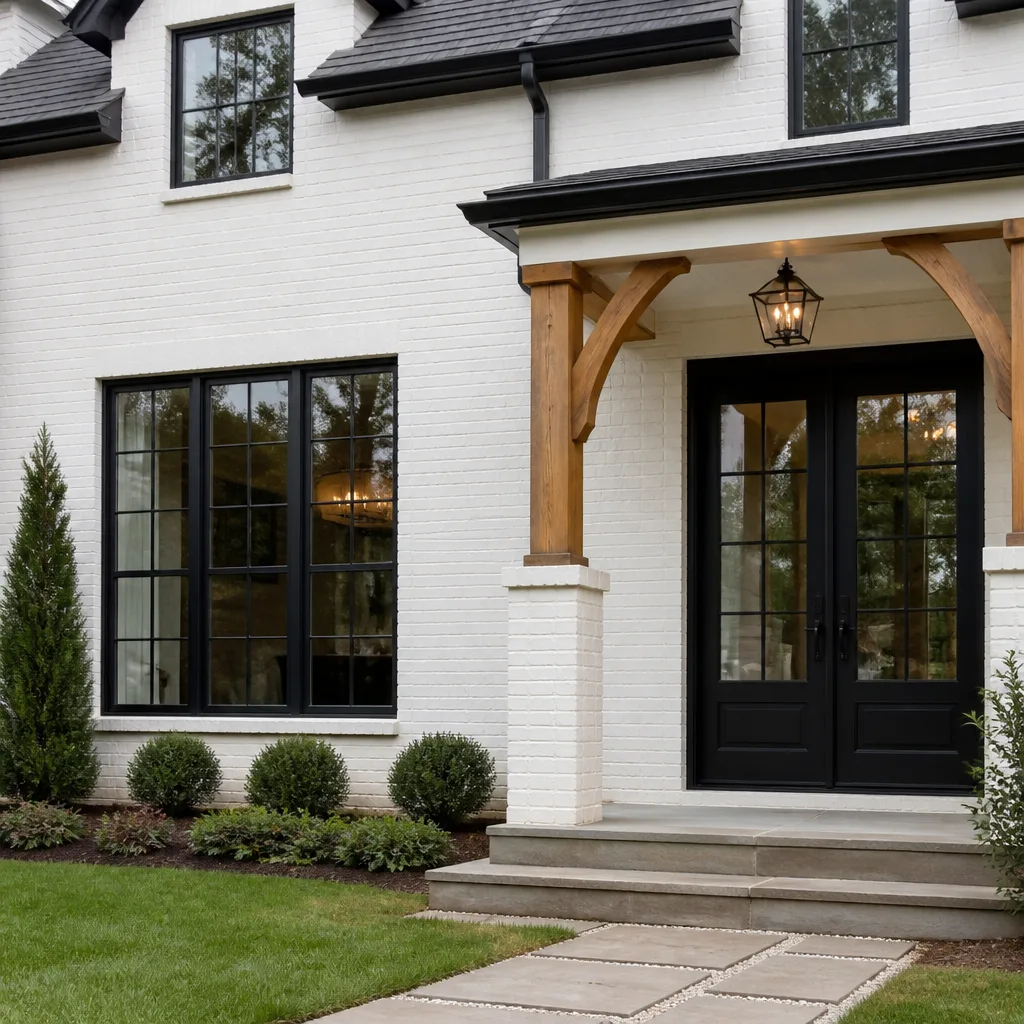 Windows & doors
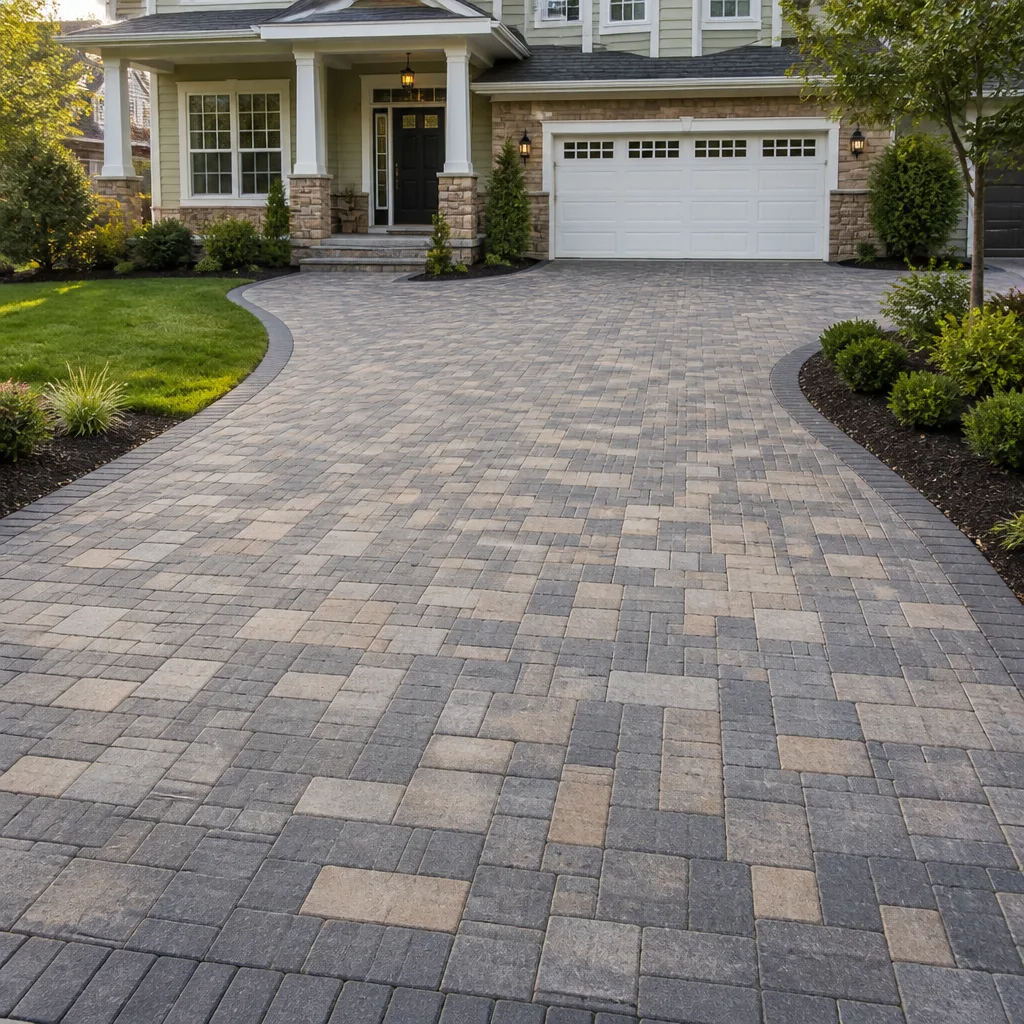 Driveway & pavers
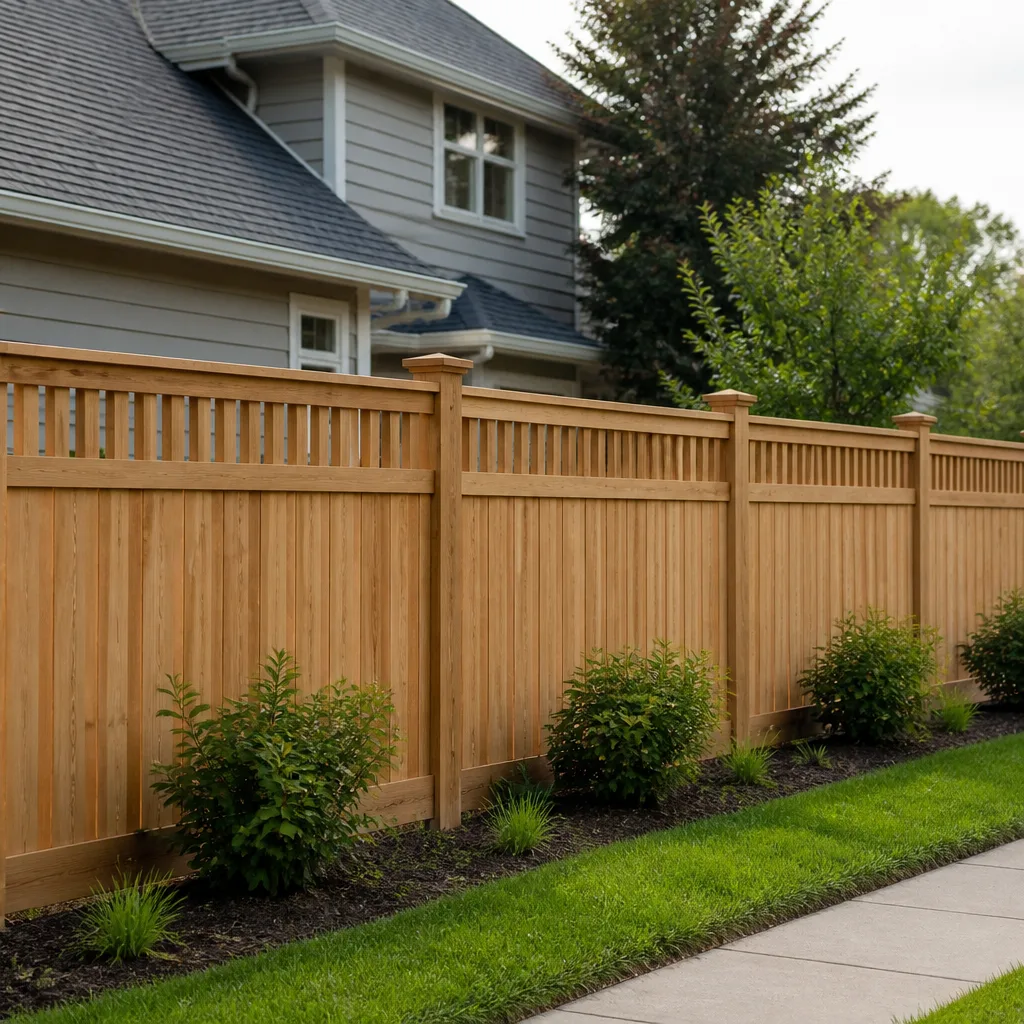 Fence
Free written scope consultation - allowances, timeline, and change-order rules on paper before a single trade is scheduled
The Complete General Contractor Guide for Buena Park Homeowners
Most Buena Park homeowners don’t lose money on a remodel because they hired a bad builder. They lose it because they hired a good builder with the wrong structure. The contractor who starts your kitchen in June and is still chasing a punch list in November isn’t necessarily incompetent. In a lot of cases, he’s simply a scheduler disguised as a general contractor. He coordinates other people’s work but holds accountability for none of it. Our General Contractor services explain what that distinction looks like in practice, how to verify it before you sign, and how to structure a contract so the project you planned for Buena Park is the project you actually get. You’ll learn how to vet license scope, spot Orange County-specific red flags, and build a working relationship that doesn’t depend on hope.
Styles & brands we work with
- Kitchen remodeling
- Bathroom remodeling
- Home additions & ADU
- Roofing
- Windows & doors
- Driveway & pavers
- Fence
Quick Answer
A general contractor in Buena Park is only as valuable as the systems they control. You want a full-scope contractor who holds direct accountability across every trade from roofing and windows to cabinetry and hardscaping, not a pass-through coordinator who subcontracts the risk while keeping the check. Before hiring anyone, verify their California license classification matches your project scope, get written disclosure of every sub, and structure the contract so scope creep, permit delays, and material substitutions are resolved on paper before they become arguments on site.
Table of Contents
- What a California General Contractor License Actually Covers
- The Difference Between a Scheduler and an Accountable General Contractor
- What Full-Scope Project Delivery Looks Like in Buena Park
- Why Material Selection Changes Your Project Outcome
- How to Structure Your Contract Before It Structures You
- Red Flags Specific to the Orange County Contractor Market
- Permits, Inspections, and Buena Park Code Requirements
- ADUs and Prefab Systems: The Buena Park Opportunity
- Common Mistakes to Avoid
- When to Call a Professional
- Frequently Asked Questions
- The Bottom Line
What a California General Contractor License Actually Covers
Here’s the fact most Buena Park homeowners discover too late: holding a general contractor license in California does not mean the holder is legally qualified to perform every trade on your property. The state issues distinct license classifications for a reason. A General B license authorizes the holder to contract for work involving two or more unrelated trades, which sounds broad. But the California Contractors State License Board draws practical boundaries around specialty work. Electrical, plumbing, HVAC, and certain roofing classifications carry their own alpha-numeric designations like C-10, C-36, C-20, and C-39. A B-General contractor can coordinate those scopes, but if they’re not performing the work with properly classified subcontractors, the whole project sits on shaky legal and insurance ground.
What this means in practice is simple. When you’re interviewing a General Contractor in Buena Park, ask them directly: Who pulls the electrical permit? Who signs off on the rough plumbing inspection? If the answer is vague or the contractor waves the question away, you’ve found the first structural crack in the project. A legitimate full-scope contractor will name the licensed sub handling each classified trade, and they’ll be able to produce the license numbers on request.
Buena Park falls under Orange County jurisdiction with its own city building department. That means two enforcement layers: county-level requirements plus Buena Park municipal code. The contractor you hire should be fluent in both. A contractor who works primarily in Los Angeles County may not know, for instance, that Buena Park requires specific documentation for certain exterior modifications, or that the city’s older housing stock frequently triggers additional review on projects involving changed rooflines or foundation modification. For The Complete Guide to Construction in Buena Park, local knowledge isn’t a nicety. It’s a scheduling variable that shows up in your final invoice.
The Difference Between a Scheduler and an Accountable General Contractor
A general contractor who only manages subcontractors is a scheduler. A general contractor who also holds accountability for every trade outcome is something rarer. And knowing the difference before you sign anything in Buena Park will determine whether your project finishes on time or drags into its third season. This is the core distinction this guide exists to explain, because it’s the single most expensive misunderstanding in residential construction.
Here’s what the scheduler model looks like on the ground. You sign a contract. The GC brings in a framing crew, a drywall crew, a tile installer, maybe a roofer. Each of those crews has their own schedule, their own supply chain, their own set of problems. The scheduler’s job is to line them up in sequence and collect a fee for doing so. But when the tile installer shows up and the waterproofing membrane wasn’t installed to the manufacturer’s spec, whose problem is it? Yours, mostly. The scheduler will tell you he’ll call the tile guy. The tile guy will say the drywall crew left the substrate wrong. The drywall crew is already on another job in Fullerton. You’re stuck in the middle, making phone calls you never wanted to make.
The accountable model looks different from day one. One contract covers the entire scope. One person is responsible for scheduling, sequencing, material ordering, and quality control. When we carry a home remodeling project, the buck stops with our own process, not with whichever sub happens to be on site that week. That’s not a romantic ideal. It’s a contractual structure. It means we don’t get to blame the roofer if the flashing is wrong. We specified it, we ordered it, we scheduled the installation, and we inspect the result before you ever see it.
The difference shows up most clearly in the punch list. A scheduler’s punch list is a negotiation between four different trades about who caused which problem. An accountable contractor’s punch list is an internal document. The problems get fixed because they’re the contractor’s problems, not yours. You don’t pay for the privilege of mediating between trades you never chose.
What Full-Scope Project Delivery Looks Like in Buena Park
Full-scope delivery means one contractor carries the project across every system of the home, from the roof down to the foundation. In Buena Park, where the housing stock ranges from 1950s ranch houses near Knott’s Berry Farm to newer developments near the 5 and 91 freeways, that scope tends to cluster around a few recurring project types. Here’s how each one plays out when it’s properly coordinated.
Kitchen and bath remodels. These projects live or die on sequencing. Cabinets can’t be installed before rough plumbing and electrical pass inspection. Countertops can’t be templated until the cabinets are set. Plumbing trim can’t go in until the countertops are sealed. A full-scope contractor manages that sequence as a single system. We work with cabinet lines like KraftMaid and Wellborn, and engineered stone from Cambria, Silestone, and Caesarstone. That matters because the material lead times are measured in weeks, sometimes months. Ordering the countertop slab on the same day the cabinets are confirmed locks your schedule in a way that piecemeal contractors simply can’t offer.
Roofing plus interior combos. Buena Park’s coastal-adjacent climate is generally mild, but the Santa Ana winds and the occasional heavy winter storm system test roofs in ways that surprise newer residents. A common project we see is a roof replacement bundled with an interior remodel, a kitchen that gets new drywall and paint while the roof above it gets new underlayment and shingles. Run as separate projects by separate contractors, you get two warranties that don’t overlap. Run as one project, the roofing system and interior finish are protected by a single accountability chain. We carry roofing brands including GAF, CertainTeed, and Owens Corning, and we schedule the tear-off so that no interior surface is exposed to weather during the transition.
Exterior replacement projects. Windows, doors, siding, fencing, and hardscaping. Each of those trades has its own material ecosystem. We work with PGT, Therma-Tru, and CGI for windows and doors, James Hardie for siding, and Belgard, Unilock, Techo-Bloc, and Tremron for hardscaping. The point isn’t brand names for their own sake. The point is that a full-scope contractor can sequence window replacement to happen before siding installation, so the flashing details are correct, and hardscaping to happen after drainage is resolved, so your new paver patio doesn’t wash into the neighbor’s yard during the first good rain. One contractor. Every system.
Why Material Selection Changes Your Project Outcome
The cheapest thing you’ll ever buy on a remodel is the contractor’s time. The most expensive is the stuff that stays in the house. Yet most homeowners approach material selection backwards. They negotiate the labor rate and then accept whatever materials the contractor happens to stock. That’s backwards. In our experience, material specification drives the entire project: the schedule, the warranty profile, the maintenance burden, and the final look.
Your material choices, our expertise. That’s the working model. A contractor who has access to 50+ vetted material brands across every renovation category can guide you to the right product for your budget and your project’s specific demands. A contractor who works with a single supplier can only sell you what that supplier stocks. The difference shows up in the details. Take tile and waterproofing, for instance. We integrate Schluter waterproofing systems in wet areas because the technical specification matters. A failure in a shower pan doesn’t announce itself. It turns into a mold problem behind the wall a year later. Built to the brand’s spec means we install it the way the manufacturer requires, which is what keeps the warranty valid.
For hardscaping in Buena Park, brands like Belgard and Techo-Bloc matter less for the name and more for the product warranty structure. These manufacturers stand behind their pavers and retaining wall blocks. If a product fails, the warranty is the homeowner’s backstop. A contractor who installs no-name pavers from a bulk supplier is saving you money on paper and transferring risk to you in practice.
How to Structure Your Contract Before It Structures You
Here’s a truth about construction contracts: they don’t prevent disagreements. They determine where the disagreement gets resolved. A good contract resolves it on paper, before money changes hands. A bad contract resolves it in emails, text messages, and eventually small claims court. The time to structure your contract is before you sign it, not after the first change order lands on your kitchen counter.
Follow these numbered steps, in order, and you’ll eliminate most of the problems Buena Park homeowners hit:
- List every trade the project touches. If you’re doing a kitchen remodel, that’s cabinetry, countertops, plumbing, electrical, drywall, paint, possibly flooring. Write them down. Then ask the contractor to name the licensed sub who handles each one. If a trade is missing from their answer, it’s missing from their contract.
- Specify materials by brand and model, not by category. “Quartz countertop” is a category. “Cambria quartz, color Brittanicca, 3cm thickness” is a specification. The more precise the spec, the less room for a mid-project substitution that changes the look or the lead time.
- Write the change order process in plain language. It should say: no work outside the original scope begins until a written change order is signed by both parties, with a stated price and a stated schedule impact. If your contractor won’t put that in writing, that’s your answer about how change orders will be handled.
- Attach a payment schedule tied to completed milestones, not elapsed time. The last payment should be the largest single payment. It should be due only after final inspection passes and the punch list is zeroed out. Contractors who ask for a large upfront payment are financing their own cash flow problem with your money.
- Put permit responsibility in the contract. Who pulls the permits? What happens if an inspector requires a revision? Who pays for the rework? In Buena Park, the city building department schedules inspections, and a project can sit idle for days waiting on an inspector. Your contract should state how that idle time is handled.
This is the step-by-step structure we use on our own home renovation projects. Plan it once, build it right. It’s not complicated. It’s just thorough. And thorough is what keeps a five-figure project from becoming a six-figure arbitration.
Red Flags Specific to the Orange County Contractor Market
Every market has its own failure patterns. See our Construction Cost Breakdown: The Buena Park Homeowner’s Reference for 2026 for how Buena Park’s is shaped by Orange County’s real estate pressure. High property values mean homeowners have equity to borrow and a strong incentive to renovate rather than sell. That attracts contractors from outside the area, some of them legitimate, some of them chasers. Here are the red flags that show up more often in this market than in others.
The low-ball bid. Orange County has enough work going that no established contractor needs to undercut the market by 30%. A bid that comes in dramatically below your other estimates isn’t a deal. It’s a signal that the contractor hasn’t priced the actual scope. Once the job starts, that gap gets made up with change orders, material substitutions, or subcontractor downgrades. In Buena Park specifically, the temptation to chase the cheap bid is strong because the projects themselves are expensive. Resist it.
No local references you can actually contact. A contractor who’s done work in Buena Park, Fullerton, Anaheim, or La Mirada will have references from those cities. If the references are all from a different county, or if the contractor is reluctant to provide names and phone numbers, that’s a signal. We’re not saying every contractor without local references is bad. We’re saying the burden of proof is higher.
Vague subcontractor disclosure. This one shows up in the contract phase. You ask who’s doing the plumbing, and the answer is “our plumbing guy.” That’s not an answer. A legitimate contractor will name the sub, tell you their license classification, and confirm they’re insured. If you can’t get that information before the project starts, you won’t be able to get it when something goes wrong during the project.
The deposit dodge. California limits the down payment a contractor can collect to the lesser of $1,000 or 10% of the contract price for home improvement projects. Contractors who push for 30% or 50% upfront are either ignorant of the law or ignoring it. Neither is a good look.
Permits, Inspections, and Buena Park Code Requirements
Buena Park issues its own building permits through the city’s Community Development Department. The process is straightforward if your contractor knows how to navigate it, and a project killer if they don’t. Most significant remodels require permits. Kitchen remodels that move plumbing or electrical, bathroom rebuilds, roof replacements, window and door replacements that change the opening size, and any ADU project all trigger the permit process. Skipping permits is not a money-saving shortcut. It’s a deferred problem that surfaces when you try to sell the house and the buyer’s inspector flags unpermitted work.
The inspection sequence matters. For a typical kitchen remodel, you’re looking at rough electrical, rough plumbing, possibly structural, insulation, drywall, and final. Each inspection requires the work to be exposed at the right stage and covered at the right stage after. A contractor who doesn’t sequence inspections properly adds days to the schedule. In a Buena Park kitchen remodel, between material lead times and city inspection queues, the difference between a well-sequenced project and a poorly-sequenced one is often three to five weeks.
We always recommend pulling permits and scheduling inspections exactly as the project scope requires. It’s slower on the front end. It protects you on the back end. And it keeps your homeowner’s insurance valid, which is a detail people forget until something happens.
ADUs and Prefab Systems: The Buena Park Opportunity
Buena Park, like most of Orange County, has watched ADU construction grow steadily since California streamlined the approval process. An accessory dwelling unit can rent out for meaningful monthly income, or serve as a house for an aging parent, or just add square footage to a lot that’s already maxed out on its main structure. The opportunity is real. The execution is the hard part.
This is where full-scope capability separates itself from the pack. A conventional contractor handles an ADU as a traditional stick-built project with all the associated timeline and weather exposure. A full-scope contractor who’s ADU-ready can bring partnership experience with prefab and modular systems like Abodu, Dvele, Boxabl, Mighty Buildings, and Plant Prefab. These systems shift a meaningful portion of the construction off-site, which compresses the on-site schedule significantly. For a Buena Park homeowner with a tight lot and neighbors on all four sides, that reduced site disturbance is a real advantage.
The prefab route isn’t right for every project. Site constraints, foundation conditions, and the desired finish level all factor in. But the key is having the option. A contractor who can’t support ADU construction at all is steering you to a smaller set of choices. A contractor who understands both conventional and prefab delivery gives you the full decision landscape.
Common Mistakes to Avoid
- Hiring on price alone. The low bid in Buena Park is often a sales tool, not an estimate. A contractor who under-prices the job has to recover that margin somewhere, and the somewhere is usually your change order.
- Not verifying license classification. A B-General license is not a blanket authorization. Confirm the contractor’s license class and ask which specialty trades will be handled by classified subs.
- Skipping the material spec. “New tile in the bathroom” is a wish, not a spec. Write down the exact tile, exact grout, exact waterproofing system. The fewer vagueries in your contract, the fewer surprises on site.
- Ignoring the payment schedule. If the contract front-loads the payments, the contractor has no financial incentive to finish. Structure payments around completed milestones and hold back a meaningful final payment.
- Letting scope creep ride verbally. Every change, no matter how small it seems, gets written down with a price. Verbal changes are how a $40,000 kitchen becomes a $55,000 kitchen.
- Not asking who’s doing the work. Your contractor should be able to name every sub before the job starts. If they can’t, or won’t, that’s the only answer you need.
- Assuming warranties are automatic. Manufacturer warranties on roofing, siding, hardscaping, and other materials are only valid if the product is installed to the manufacturer’s specification. Ask your contractor how they document installation compliance.
When to Call a Professional
You don’t need a general contractor to replace a light fixture or swap out a faucet. You do need one when the project touches multiple systems, changes the structure, or requires permits. Kitchen remodels that move plumbing lines. Bathroom rebuilds that open walls. Roof replacements paired with interior work. Window and door replacements that change openings. ADU construction. Hardscaping that involves drainage and grading. If your project involves two or more trades and any kind of inspection, you’re in general contractor territory, and the contractor you choose should be structured to carry the whole scope.
Key Step Construction offers free estimates in Buena Park. Call (855) 382-0824 to schedule yours. We’ll walk the property with you, ask questions about how you use the space, and give you a written scope and line-item estimate. No pressure, no vague promises, just a clear picture of the project.
Frequently Asked Questions
You verify a contractor’s California license through the Contractors State License Board website, where you can search by name or license number. Check that the license is active, that the classification matches your project type, and that there are no recent disciplinary actions. For any classified trade on the project, ask for the subcontractor’s license number as well and run the same check. Free estimates in Buena Park are available at (855) 382-0824.
A general contractor manages the entire construction project from pre-construction planning through final inspection, including scheduling trades, ordering materials, managing the budget, coordinating permits, and maintaining quality control. The best ones hold direct accountability for every trade outcome rather than simply passing work to subs and collecting a fee. Call (855) 382-0824 to discuss your specific project scope.
Timelines vary widely by scope. A kitchen remodel typically runs 6 to 12 weeks once materials arrive and permits clear. A full bathroom rebuild is usually 3 to 6 weeks. An ADU project can run 4 to 8 months for conventional construction, with prefab systems compressing the on-site phase significantly. We’ll give you a realistic schedule for your specific project, not a hopeful one. Call (855) 382-0824.
It shouldn’t, provided the contract is structured properly. Changes happen when the scope changes, which is why every modification should be documented in a written change order with a stated price before work proceeds. A contractor who builds the estimate thoroughly and specifies materials precisely has little reason to ask for more money mid-project. We provide line-item estimates so you understand every dollar before signing. Call (855) 382-0824 for a written quote.
Most significant remodels require permits from the Buena Park Community Development Department. Any work that moves plumbing or electrical, changes rooflines or openings, adds square footage, or involves structural modification triggers the permit process. We handle the permit application, scheduling, and inspection coordination as part of the contract scope. Call (855) 382-0824 to discuss what your project needs.
A general contractor holds a California B-General license and is authorized to manage multi-trade projects, while a handyman typically handles small repairs that don’t require permits. If your project involves two or more trades, involves structural changes, or needs inspections, you need a licensed general contractor. We’re glad to tell you if your project is genuinely a handyman-scale job and help you scope it correctly. Call (855) 382-0824.
The Bottom Line
The general contractor you hire in Buena Park sets the ceiling on your project’s quality before a single hammer swings. Hire a scheduler and you get a project held together by phone calls and hope. Hire a full-scope contractor and you get a system: one contract, one accountability chain, one point of contact from pre-construction through final inspection. The difference shows up in the schedule, the final invoice, and the warranty file. Verify the license, demand the material spec, write the change order process into the agreement, and confirm who’s doing the work. Do those four things and you’ve already outperformed most homeowners. For more guides & resources, explore our blog, then call us to talk about what you’re building.
Ready to start? Key Step Construction offers free estimates in Buena Park. Call (855) 382-0824 and let’s walk the property together. Your material choices, our expertise. One contractor. Every system.
Written by the team at Key Step Construction, serving Buena Park since 2017.
See the difference
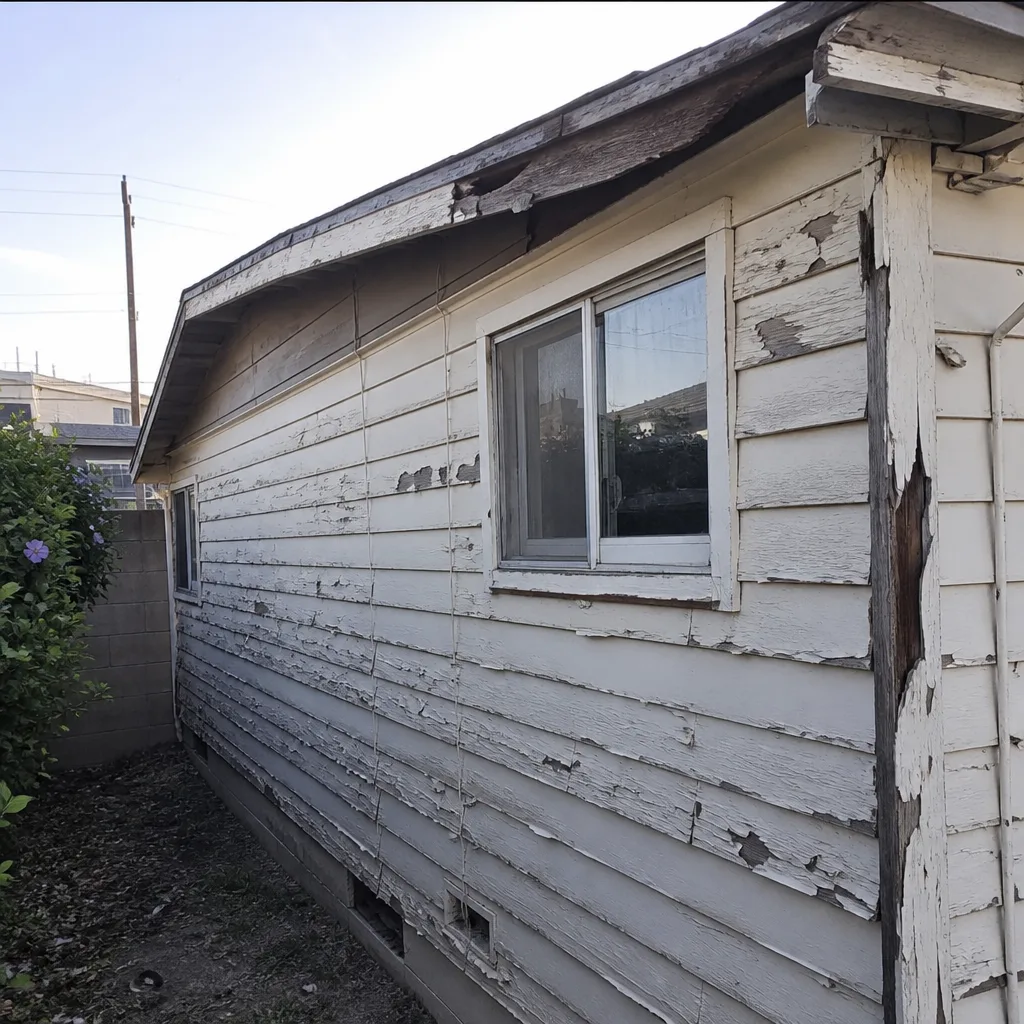 Before
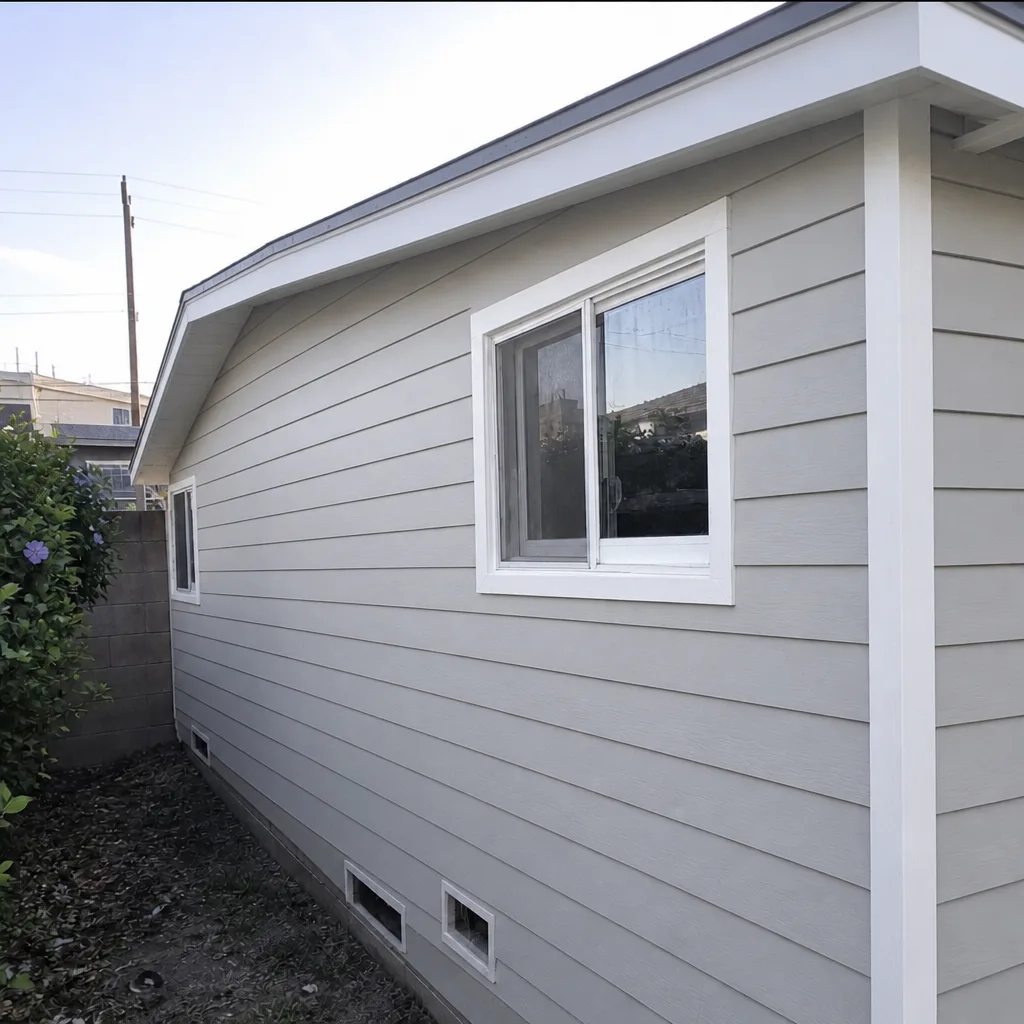 After
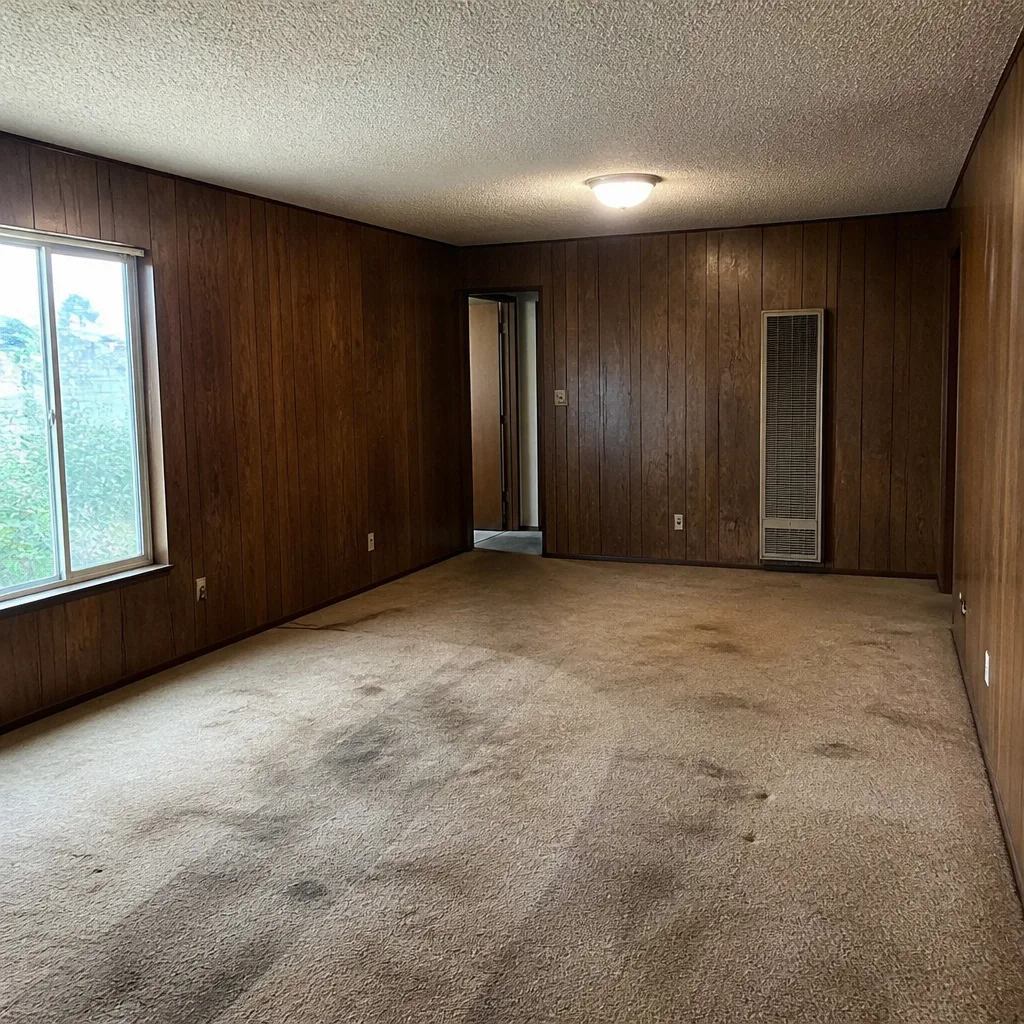 Before
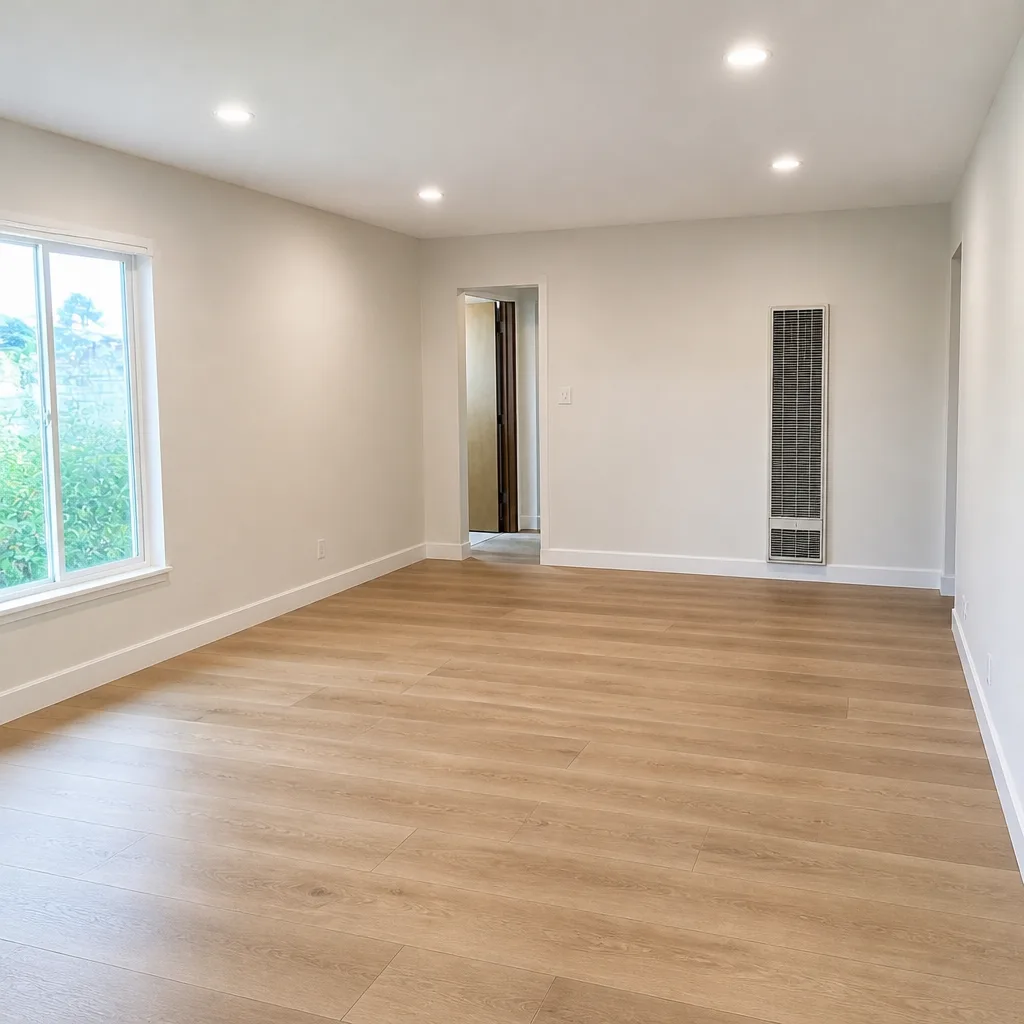 After
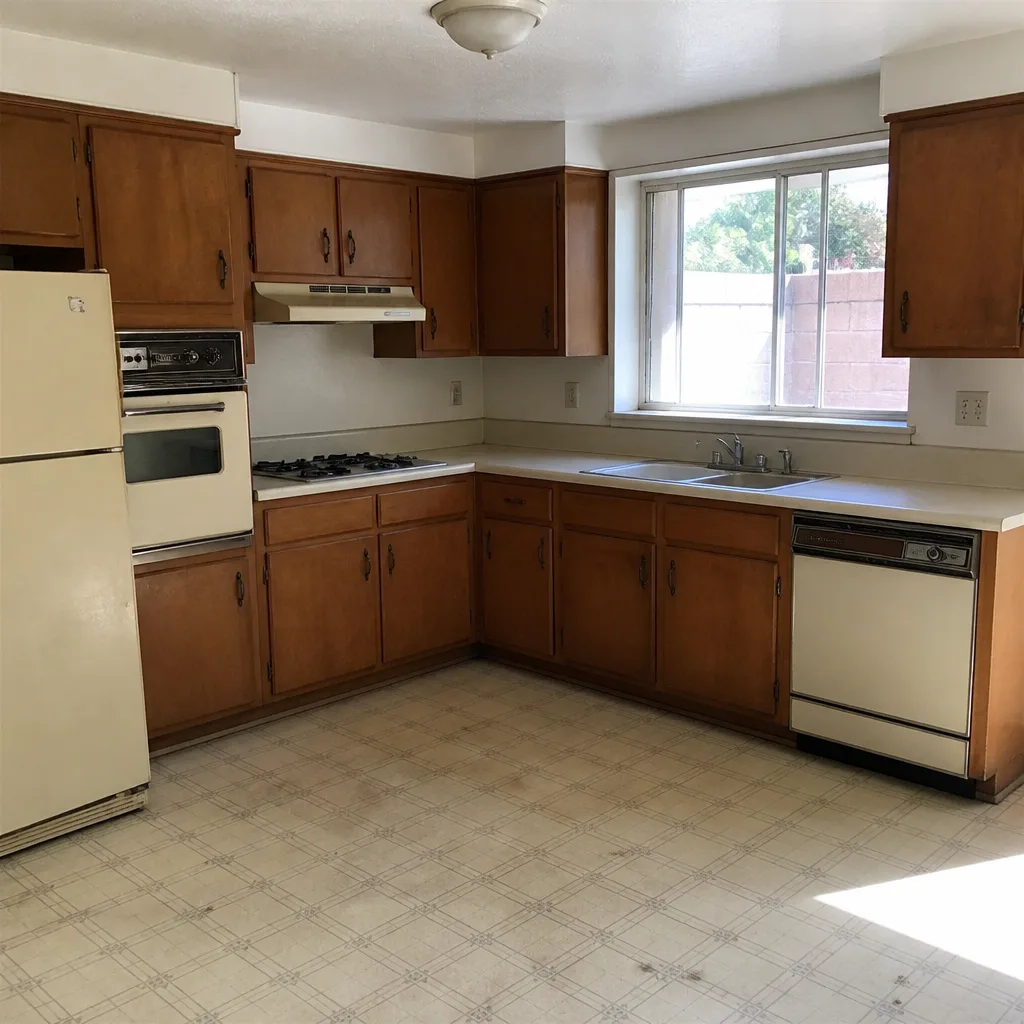 Before
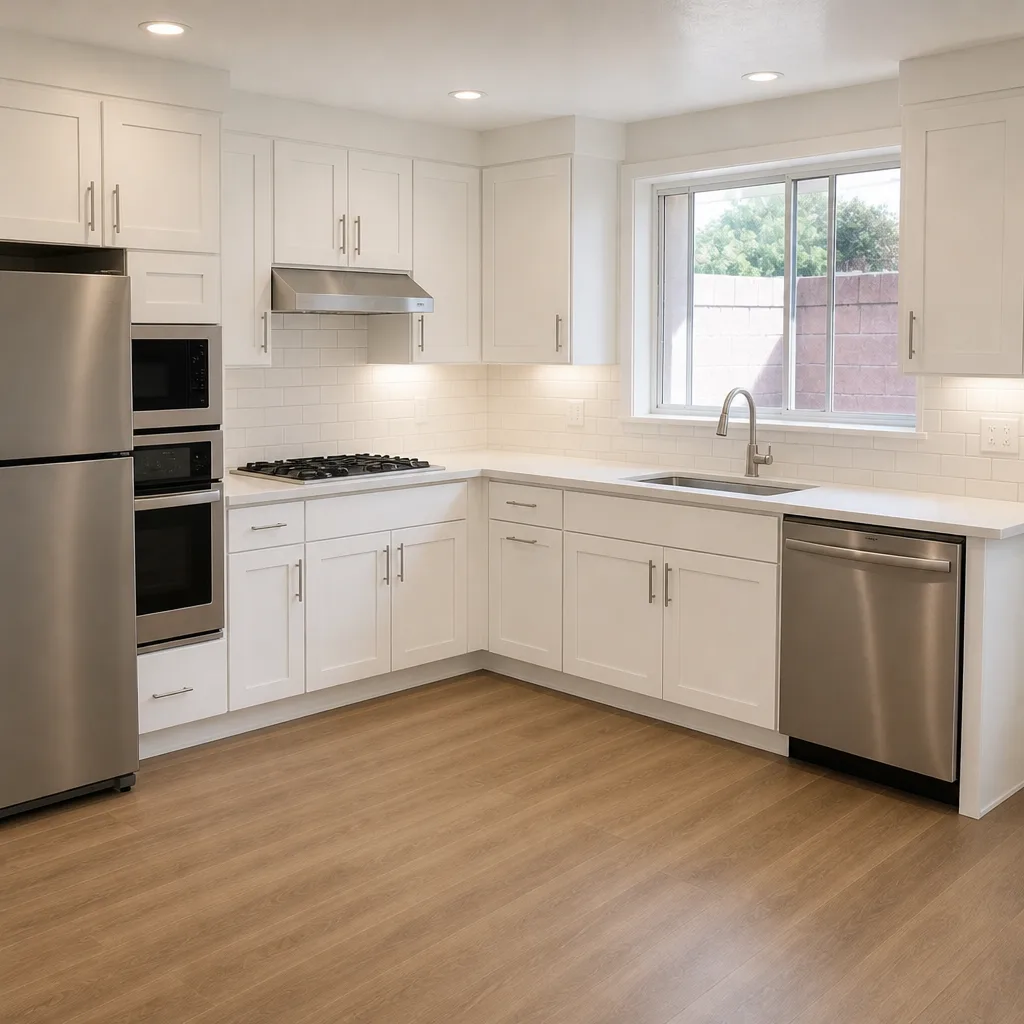 After